
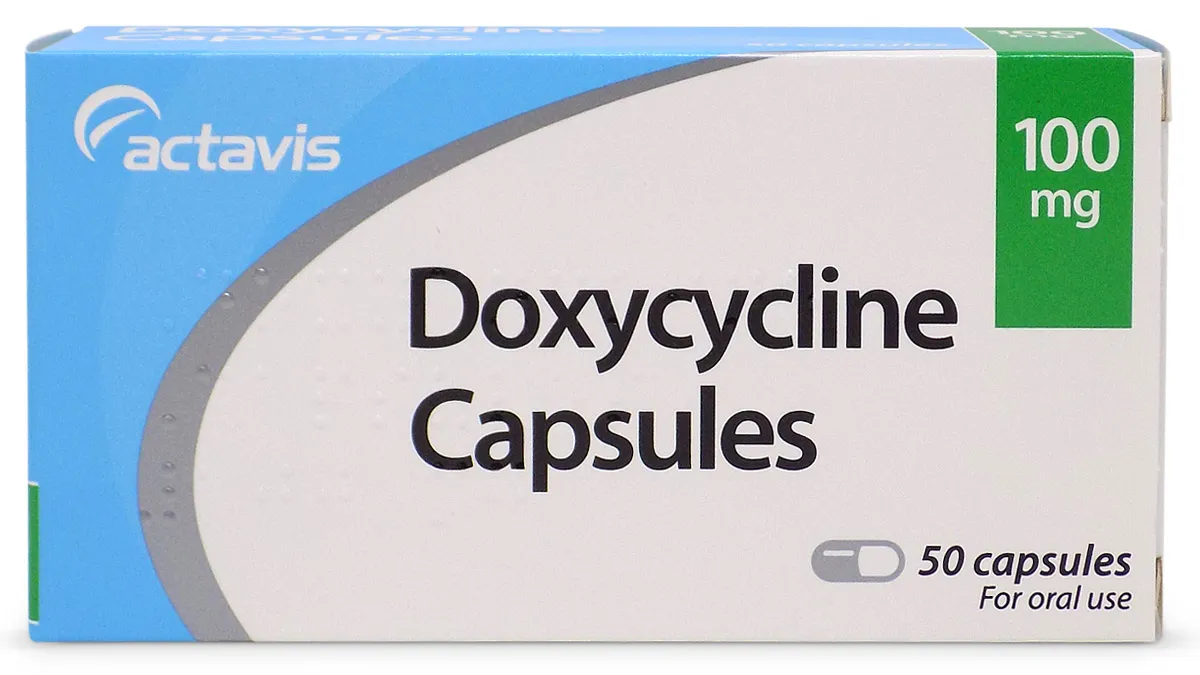
Doxycycline 100 Mg
Price range: $20.00 through $55.00
| Active Ingredient | Doxycycline |
|---|---|
| Manufacturer | Omega Pharma |
| Packaging | 10 capsules in 1 strip |
| Strength | 100mg |
| Delivery Time | 6 To 15 days |
| SKU: | Doxycycline 100 Mg |
Doxycycline 100 Mg – Complete Product Information
What is Doxycycline 100 Mg?
Doxycycline 100 Mg is a pharmaceutical formulation containing doxycycline as its active ingredient. Doxycycline belongs to a class of antibiotics known as tetracyclines, which have been widely used in clinical practice for several decades to address various bacterial infections affecting different body systems.
This medication is manufactured under strict quality control standards and is available through licensed pharmacies with a valid prescription from a qualified healthcare provider. Each unit contains 100 milligrams of doxycycline, representing a commonly prescribed strength suitable for addressing a range of bacterial infections in adults and, when appropriately adjusted, in older children.
Doxycycline 100 Mg is typically formulated as capsules or tablets designed for oral administration. The medication is prescribed by healthcare professionals after a comprehensive assessment of the patient’s condition, medical history, current medications, and the specific bacterial concern requiring treatment.
Active Ingredient: Doxycycline (as doxycycline hyclate or monohydrate) 100 mg
Drug Class: Tetracycline antibiotic
Prescription Status: Prescription required
Available Forms: Capsules, Tablets, Delayed-release tablets
Therapeutic Category: Broad-spectrum antibacterial agent
How Does Doxycycline 100 Mg Work?
Doxycycline 100 Mg works through a specific mechanism that interferes with bacterial protein synthesis, which is essential for bacterial growth, reproduction, and survival. Understanding this mechanism helps clarify the medication’s therapeutic applications.
Mechanism of Action:
Like all living organisms, bacteria require proteins to carry out essential life functions, maintain their cellular structures, and reproduce. Bacteria synthesize these proteins through a complex process involving specialized cellular structures called ribosomes. Bacterial ribosomes are structurally different from human ribosomes, which allows antibiotics like doxycycline to selectively target bacterial cells.
Doxycycline works by reversibly binding to the 30S ribosomal subunit of bacterial ribosomes. This binding prevents the attachment of aminoacyl-tRNA to the ribosomal acceptor site, effectively blocking the addition of new amino acids to growing protein chains. Without the ability to synthesize proteins properly, bacteria cannot maintain their cellular functions, grow, or reproduce effectively.
Bacteriostatic Activity:
Doxycycline is classified as a bacteriostatic antibiotic at therapeutic concentrations, meaning it inhibits bacterial growth and reproduction rather than directly killing bacteria. By preventing bacterial multiplication, doxycycline allows the body’s immune system to eliminate the existing bacterial population more effectively. However, at higher concentrations, doxycycline can exhibit bactericidal (bacteria-killing) properties against certain susceptible organisms.
Broad Spectrum of Activity:
Doxycycline demonstrates activity against a wide range of bacteria, including:
- Many gram-positive bacteria
- Numerous gram-positive bacteria
- Atypical bacteria such as Mycoplasma and Chlamydia species
- Certain spirochetes, including those causing Lyme disease
- Rickettsial organisms
- Some protozoan parasites
This broad spectrum makes doxycycline useful for various infections, though not all bacterial species are susceptible, which is why healthcare providers consider the likely bacterial cause when prescribing.
Unique Properties:
Several characteristics distinguish doxycycline from other tetracycline antibiotics:
Superior Absorption: Doxycycline is highly lipophilic (fat-soluble), which contributes to excellent absorption from the gastrointestinal tract. Unlike older tetracyclines, doxycycline absorption is less affected by food, dairy products, or calcium, though optimal absorption still occurs when taken as directed.
Extensive Tissue Penetration: The medication distributes widely throughout body tissues and fluids, achieving therapeutic concentrations in respiratory tract tissues, skin and soft tissues, urinary tract, reproductive organs, and even crossing into certain protected areas like the prostate gland and eye tissues.
Long Half-Life: Doxycycline has a relatively long half-life (approximately 18-22 hours), allowing for convenient once or twice-daily dosing while maintaining therapeutic levels throughout the dosing interval.
Minimal Renal Excretion: Unlike many antibiotics, doxycycline is primarily eliminated through the gastrointestinal tract rather than the kidneys. This characteristic means that dose adjustments are typically not required for patients with kidney disease, making it suitable for a broader patient population.
Anti-Inflammatory Properties:
Beyond its antibacterial effects, doxycycline possesses anti-inflammatory properties that may contribute to its therapeutic benefits in certain conditions. At sub-antimicrobial doses, it can inhibit certain enzymes involved in inflammation and tissue breakdown.
Key Benefits and Expected Outcomes:-
When prescribed appropriately by healthcare professionals for confirmed or suspected bacterial infections, Doxycycline 100 Mg offers several therapeutic advantages:
Broad Antibacterial Coverage: Healthcare providers may consider this medication for bacterial infections affecting multiple body systems including respiratory tract infections, skin and soft tissue infections, urinary tract infections, certain sexually transmitted infections, tick-borne illnesses like Lyme disease, and various other bacterial concerns.
Convenient Dosing: The medication’s long half-life allows for once or twice-daily dosing, which many patients find easier to incorporate into daily routines compared to medications requiring more frequent administration. Simplified dosing schedules often support better medication adherence.
Excellent Tissue Penetration: Doxycycline’s superior tissue distribution ensures that therapeutic concentrations reach infection sites throughout the body, including areas that some other antibiotics penetrate less effectively.
Food Flexibility: Unlike older tetracycline antibiotics that must be taken on an empty stomach and strictly avoided with dairy products, doxycycline can generally be taken with food (and is often recommended with food to reduce gastrointestinal side effects). While dairy products may slightly reduce absorption, the effect is less pronounced than with other tetracyclines.
Suitable for Renal Impairment: Because doxycycline is primarily eliminated through non-renal pathways, it remains a safe option for patients with kidney disease without requiring dose adjustments in most cases.
Established Clinical Use: Doxycycline has decades of documented use in clinical practice with extensive research supporting its effectiveness for various bacterial infections when appropriately prescribed.
Multiple Applications: Beyond treating acute infections, healthcare providers may prescribe doxycycline for malaria prophylaxis in travelers to endemic areas, as adjunctive therapy for certain chronic conditions, or for acne management at specific doses.
Generally Well-Tolerated: Many patients tolerate doxycycline well when used as directed under medical supervision, though individual responses vary.
Important Considerations:
- Results vary based on individual factors, including infection type, bacterial susceptibility, overall health status, and adherence to prescribed regimens
- Completethe course essential even when symptoms improve before medication is finished
- Not effective for viral infections such as common colds, flu, or most cases of bronchitis
- Professional assessment determines appropriateness for each situation
- Sun sensitivity requires protective measures during treatment
- Resistance concerns require judicious use only when bacterial infection is confirmed or strongly suspected
How to Take Doxycycline 100 Mg?
General Usage Guidelines:
Doxycycline 100 Mg should only be taken exactly as prescribed by your healthcare provider. The following represents general information about medication administration, not personalized medical advice:
Administration Method:
- Take orally with a full glass of water (8 ounces/240 mL)
- Swallow capsules or tablets whole; do not crush, chew, or break unless specifically instructed
- Remain upright (sitting or standing) for at least 30 minutes after taking to reduce esophageal irritation risk
- Can be taken with food or milk, which may help reduce stomach upset
- Avoid lying down immediately after taking the medication
Timing Considerations:
- If prescribed once daily: Take at approximately the same time each day
- If prescribed twice daily: Space doses approximately 12 hours apart (e.g., morning and evening)
- Consistency in timing helps maintain steady medication levels
- Avoid taking immediately before bedtime to reduce esophageal irritation risk
Food and Beverage Interactions:
- Taking with food or milk is acceptable and often recommended to reduce gastrointestinal upset
- Avoid excessive dairy consumption immediately before or after doses, though moderate amounts are generally acceptable
- Maintain adequate hydration throughout treatment
- Avoid alcohol as it may increase certain side effects and reduce treatment effectiveness
Important Spacing Requirements:
Doxycycline absorption can be reduced by certain products containing minerals. Separate doxycycline from:
- Antacids (containing aluminum, calcium, or magnesium): Take doxycycline 2-3 hours before or after
- Iron supplements: Take doxycycline 2-3 hours before or after
- Calcium supplements: Take doxycycline 2-3 hours before or after
- Multivitamins containing minerals: Take doxycycline 2-3 hours before or after
- Bismuth subsalicylate (Pepto-Bismol): Take doxycycline 2-3 hours before or after
Missed Dose Instructions:
- Take as soon as you remember if it’s not almost time for the next dose
- If it’s nearly time for the next dose, skip the missed dose
- Never double doses to compensate for a missed one
- If taking twice daily and you miss a dose, take it when you remember and space the next dose appropriately
Available Strengths and Formulations:-
Doxycycline Available Strengths:
While this product page focuses on Doxycycline 100 Mg, doxycycline-based medications are available in various strengths to accommodate different patient needs and infection types:
Immediate-Release Formulations:
- Doxycycline 50 mg: Lower strength for certain infections or maintenance therapy
- Doxycycline 75 mg: Intermediate strength available in some formulations
- Doxycycline 100 mg: Most common strength for acute bacterial infections
- Doxycycline 150 mg: Higher strength for certain infections requiring greater doses
Delayed-Release Formulations:
- Delayed-release tablets: Various strengths designed to release medication in the small intestine, potentially reducing gastrointestinal side effects
- Often used for specific indications like acne or rosacea management
Formulation Types:
Capsules:
- Standard immediate-release capsules in various strengths
- Most common formulation for infectious disease management
Tablets:
- Immediate-release tablets
- Film-coated tablets for easier swallowing
- Some formulations scored for splitting if directed
Delayed-Release/Enteric-Coated:
- Specially formulated to reduce gastrointestinal side effects
- May be preferred for patients with sensitive stomachs
- Follow specific administration instructions for these formulations
Oral Suspension:
- Liquid formulation (powder for reconstitution)
- Primarily for pediatric use or patients unable to swallow solid dosage forms
- Various concentrations available
Syrup:
- Pre-mixed liquid formulation
- Raspberry or other flavoring for palatability
Intravenous Formulation:
- For hospitalized patients or those unable to take oral medication
- Administered by healthcare professionals only
Salt Forms:
Doxycycline is available in different salt forms, which may affect absorption and tolerability:
- Doxycycline hyclate: Most common form; water-soluble
- Doxycycline monohydrate: Alternative form; some patients tolerate better
- Doxycycline calcium: Less common formulation
Sub-Antimicrobial Dose Products:
- 20 mg delayed-release: Specifically for adjunctive periodontal therapy
- 40 mg delayed-release: For rosacea and certain dermatological conditions
- These low doses provide anti-inflammatory benefits with minimal antibacterial effect
Possible Side Effects:-
Like all medications, Doxycycline 100 Mg may cause side effects in some individuals, though not everyone experiences them. Understanding potential effects helps you recognize what to monitor and when to seek medical attention.
Common Side Effects (Mild to Moderate):
These effects occur in a notable percentage of users but are generally manageable:
- Gastrointestinal effects: Nausea, vomiting, diarrhea, abdominal pain, loss of appetite—the most common side effects
- Esophageal irritation: Heartburn, difficulty swallowing, or chest discomfort (can be minimized by taking with adequate water and remaining upright)
- Photosensitivity: Increased sensitivity to sunlight, leading to easier sunburn or skin reactions
- Headache: Usually mild to moderate
- Dizziness or lightheadedness: Typically transient
- Vaginal yeast infections: In wome,n due to disruption of normal bacterial balance
- Skin rash: A mild rash may develop in some individuals
Most common side effects are mild and may diminish as your body adjusts to the medication. Taking with food and plenty of water often reduces gastrointestinal effects.
Less Common but Notable Side Effects:
- Oral symptoms: Tongue discoloration, tongue inflammation, or difficulty swallowing
- Tooth discoloration: Particularly when used during tooth development periods
- Nail changes: Discoloration or changes in nail beds
- Visual disturbances: Blurred vision (usually temporary)
- Tinnitus: Ringing in the ears
- Skin discoloration: Darkening of skin in sun-exposed areas
Serious Side Effects (Require Immediate Medical Attention):
While uncommon, certain symptoms require prompt professional evaluation:
- Severe allergic reactions: Difficulty breathing, throat swelling, severe skin reactions, widespread hives, or facial swelling
- Severe skin reactions: Stevens-Johnson syndrome, blistering, peeling, or severe photosensitivity reactions
- Severe diarrhea: Persistent, watery, or bloody diarrhea, which may indicate Clostridium difficile infection
- Liver problems: Yellowing of skin or eyes, dark urine, persistent nausea, severe abdominal pain
- Intracranial pressure increase: Severe headache, vision changes, nausea, vomiting (pseudotumor cerebri)
- Severe esophageal irritation: Severe chest pain, difficulty swallowing, or persistent heartburn
- Pancreatitis: Severe upper abdominal pain radiating to the back
- Blood disorders: Unusual bruising, bleeding, or signs of infection with a very sore throat
Safety Advice and Precautions:-
Before Taking Doxycycline 100 Mg:
Inform your healthcare provider about your complete medical history, particularly:
Allergy Information:
- Previous allergic reactions to doxycycline or other tetracycline antibiotics (tetracycline, minocycline, demeclocycline)
- History of allergic reactions to any medications
- Known hypersensitivity to any ingredients in the formulation
Medical Conditions:
- Liver disease or impaired liver function
- Kidney disease (though usually doesn’t require dose adjustment)
- History of esophageal problems, difficulty swallowing, or gastroesophageal reflux disease (GERD)
- Systemic lupus erythematosus (SLE)
- Myasthenia gravis (muscle weakness disorder)
- Porphyria
- History of intracranial hypertension
Pregnancy and Breastfeeding:
- Current pregnancy or pregnancy plans (doxycycline is generally avoided during pregnancy)
- Breastfeeding status (doxycycline passes into breast milk)
- Healthcare providers assess benefits versus risks, though typically alternative antibiotics are preferred
Age Considerations:
- Children under 8 years (permanent tooth discoloration risk)
- Use in children requires careful risk-benefit assessment by healthcare provider
Drug Interactions:
Doxycycline 100 Mg may interact with certain medications and substances:
Reduced Doxycycline Effectiveness:
- Antacids containing aluminum, calcium, or magnesium
- Iron supplements and multivitamins containing iron
- Calcium supplements and dairy products in large amounts
- Bismuth subsalicylate (Pepto-Bismol)
- Barbiturates and some anticonvulsants (phenytoin, carbamazepine)
- Rifampin and rifabutin
Increased Risk of Other Medication Effects:
- Warfarin and anticoagulants: Enhanced anticoagulant effects; monitoring required
- Oral contraceptives: Potential reduced effectiveness (though evidence is mixed); backup contraception may be advised
- Retinoids (vitamin A derivatives like isotretinoin): Increased risk of intracranial pressure
- Methoxyflurane anesthesia: Risk of kidney toxicity; combination avoided
Other Interactions:
- Penicillin antibiotics: May reduce penicillin effectiveness; generally not used together
- Digoxin: Increased digoxin absorption possible
- Antidiabetic medications: May affect blood sugar control
Alcohol Interaction:
While doxycycline doesn’t have the severe alcohol interactions seen with some antibiotics, alcohol consumption can:
- Increase liver stress when combined with the medication
- Reduce treatment effectiveness
- Worsen gastrointestinal side effects
- Moderation or abstinence is generally recommended
Storage Instructions:-
Proper storage maintains medication quality and effectiveness:
Storage Conditions:
- Store at room temperature, typically between 68°F to 77°F (20°C to 25°C)
- Brief exposure to temperatures between 59°F to 86°F (15°C to 30°C) is generally acceptable
- Keep in original container to protect from light and moisture
- Avoid storage in bathrooms where humidity and temperature fluctuate
- Do not expose to excessive heat or direct sunlight
Light Protection:
- Doxycycline is sensitive to light
- Keep in original light-protective packaging or amber-colored bottles
- Store in dark places away from windows
Moisture Protection:
- Keep container tightly closed when not in use
- Protect from moisture and humidity
- Do not store near sinks or in humid environments
- Include desiccant packets if provided
Container Integrity:
- Maintain child-resistant closures as provided
- Do not transfer to different containers
- Check that packaging remains intact
Safety Measures:
- Keep out of reach of children and pets
- Store in a secure location to prevent accidental ingestion
- Keep away from food and beverages
- Store where you’ll remember daily doses but children cannot access
Frequently Asked Questions?
Why do I need to avoid lying down after taking doxycycline?
Remaining upright (sitting or standing) for at least 30 minutes after taking doxycycline is crucial to prevent esophageal irritation and ulceration, which are among the most problematic side effects of this medication. Doxycycline capsules or tablets can potentially lodge in the esophagus if you lie down too soon after swallowing them. When this happens, the medication begins dissolving while in contact with the delicate esophageal lining, causing direct chemical irritation that can lead to inflammation, ulceration, and severe discomfort.
Can I take doxycycline if I’m allergic to penicillin?
Yes, doxycycline can generally be safely taken by individuals with penicillin allergies, as these are completely different classes of antibiotics with different chemical structures. Penicillin allergies do not predict tetracycline allergies. In fact, tetracycline antibiotics like doxycycline are commonly used as alternative options for people with penicillin allergies who require antibiotic treatment.
Will doxycycline interfere with my birth control pills?
The interaction between doxycycline and hormonal contraceptives is a topic of ongoing discussion in medical practice. Historically, antibiotics were thought to reduce oral contraceptive effectiveness, but current evidence suggests this concern may be overstated for most antibiotics, including doxycycline. The theoretical mechanism involves antibiotics disrupting intestinal bacteria that help recirculate estrogen from oral contraceptives, potentially reducing hormone levels.
How long will I be sensitive to the sun after finishing doxycycline?
Photosensitivity—increased sensitivity to ultraviolet light—is one of doxycycline’s most notable side effects, and the duration can extend beyond your treatment course. During active treatment, photosensitivity is at its peak, meaning your skin can burn much more quickly and severely than normal with even brief sun exposure. This heightened sensitivity can develop within hours of sun exposure and may result in severe sunburn that appears disproportionate to the exposure time.
Important Medical Information
Prescription Requirement: Doxycycline 100 Mg is a prescription antibiotic medication. This product information is educational only and does not replace professional medical advice, diagnosis, or treatment. Always consult qualified healthcare providers before starting, stopping, or modifying any medication regimen.
Individual Results Vary: Response to this medication depends on numerous factors including infection type, bacterial susceptibility, overall health status, concurrent medications, and adherence to prescribed regimens. No antibiotic is 100% effective for all patients in all circumstances.
Appropriate Use: Use antibiotics only when prescribed by healthcare professionals for confirmed or strongly suspected bacterial infections. Inappropriate antibiotic use contributes to resistance, reduces effectiveness for everyone, and exposes patients to unnecessary side effects.
Complete Course Essential: Always complete the full prescribed course even when symptoms improve. Incomplete treatment may lead to infection recurrence and contribute to antibiotic resistance.
Sun Protection Required: Strict sun protection is mandatory during treatment and for 1-2 weeks after completion due to significant photosensitivity risk.
Avoid During Pregnancy and in Young Children: Doxycycline should generally not be used during pregnancy or in children under 8 years due to tooth discoloration and bone development concerns, except when benefits clearly outweigh risks.
Professional Guidance Required: Only licensed healthcare providers can determine whether Doxycycline 100 Mg is appropriate for your specific situation, prescribe correct dosing, and monitor treatment progress.
References:-
Additional information
| unit | 300 Capsules, 100 Capsules, 200 Capsules |
|---|




Reviews
There are no reviews yet.