
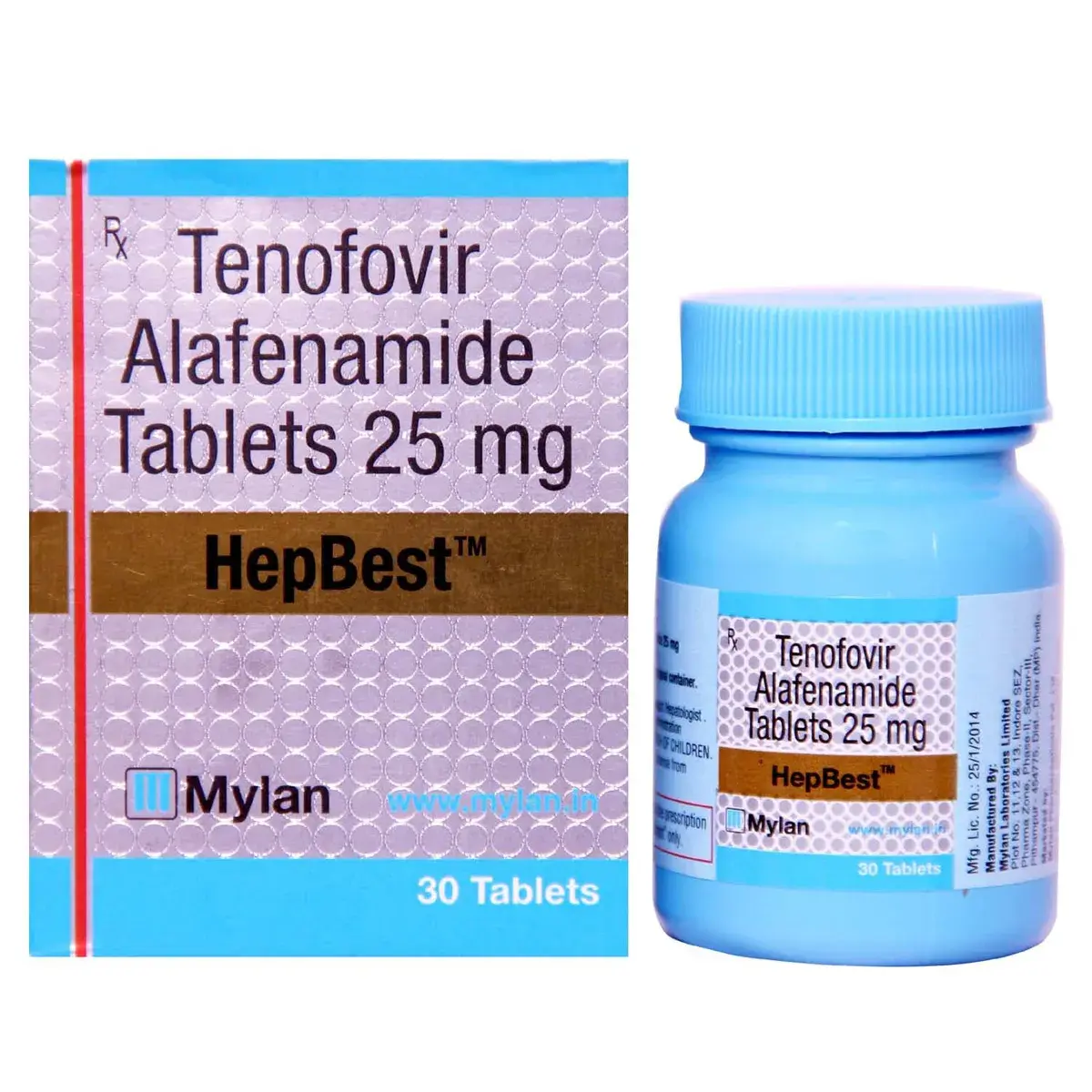
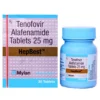
HepBest (Tenofovir Alafenamide) – 25 Mg
Price range: $160.00 through $470.00
| Active Ingredient | Lamivudine |
|---|---|
| Manufacturer | Cipla Limited |
| Packaging | 10 tablets in 1 strip |
| Strength | 100mg |
| Delivery Time | 6 To 15 days |
| SKU: | HepBest (Tenofovir Alafenamide) – 25 Mg |
HepBest (Tenofovir Alafenamide): Uses, Dosage, Benefits, and Safety Guide
Living with chronic Hepatitis B can feel overwhelming, especially when you’re trying to make sense of medical jargon, treatment options, and long-term care plans. If your doctor has recommended HepBest (Tenofovir Alafenamide), you’re probably looking for clear, honest information before you start — not just a list of side effects copied from a leaflet.
This guide breaks down everything you need to know about HepBest in plain language: what it is, how it works, who it’s for, how it’s taken, and what to watch out for. As always, this article is meant to inform, not replace the advice of your treating physician.
Understanding Chronic Hepatitis B First
Before diving into the medication itself, it helps to understand the condition it treats. Hepatitis B is a viral infection of the liver caused by the hepatitis B virus (HBV). It spreads through contact with infected blood, semen, or other body fluids — commonly through unprotected sex, sharing needles, or from mother to child during childbirth.
Some people clear an acute HBV infection on their own within a few months. Others — particularly those infected at birth or in early childhood — go on to develop chronic Hepatitis B, meaning the virus persists in the body for six months or longer. Chronic HBV often has no obvious symptoms for years, which is exactly what makes it dangerous: the virus can quietly damage the liver long before someone feels unwell. Left untreated, chronic HBV raises the risk of cirrhosis, liver failure, and hepatocellular carcinoma (liver cancer).
This is where antiviral medications like HepBest come in — not to eliminate the virus, but to keep it suppressed to the point where it can no longer do meaningful damage to the liver.
What Is HepBest?
HepBest is a brand-name antiviral medication whose active ingredient is Tenofovir Alafenamide (TAF), manufactured by Mylan (a Viatris company). It comes as a film-coated, round tablet containing 25 mg of Tenofovir Alafenamide (equivalent to Tenofovir Alafenamide Fumarate), and it’s primarily prescribed to manage chronic Hepatitis B virus (HBV) infection in adults and adolescents.
Tenofovir Alafenamide itself isn’t new to medicine — it’s a well-established nucleotide analogue that has been used for years in HIV treatment regimens as well. HepBest packages this proven compound specifically for long-term HBV management, making it a go-to option for people who need ongoing viral suppression with a favorable safety profile.
How Does HepBest Work?
To understand why HepBest is effective, it helps to know a little about how Hepatitis B operates in the body. HBV is a virus that invades liver cells and hijacks their machinery to replicate itself. Left unchecked, this constant replication cycle can lead to liver inflammation, fibrosis, cirrhosis, and in severe cases, liver cancer.
HepBest interrupts this cycle. Tenofovir Alafenamide is a prodrug, meaning it’s inactive when you first take it and only becomes active once it reaches the target cells — in this case, liver cells (hepatocytes) infected with HBV. Once inside the liver cell, it converts into its active form, tenofovir diphosphate.
This active compound then works as a nucleotide reverse transcriptase inhibitor. In simple terms, it mimics one of the natural building blocks the virus needs to copy its genetic material. When the virus mistakenly uses this “fake” building block instead of the real one, the replication process comes to a halt — the viral DNA chain simply can’t be completed. This is often called “DNA chain termination.”
The end result is a steady drop in HBV viral load, reduced strain on the liver, and over time, a genuine chance for the liver to heal and function better.
One of the standout features of Tenofovir Alafenamide compared to older antivirals (like Tenofovir Disoproxil Fumarate) is that it’s designed to concentrate more efficiently inside liver and immune cells while keeping levels in the bloodstream lower. This targeted delivery is a big part of why TAF-based medicines tend to be gentler on the kidneys and bones over the long haul — an important consideration for a treatment many people take for years.
What Is HepBest Used For?
HepBest is approved for the treatment of chronic Hepatitis B virus infection in adults and adolescents aged 12 years and older who weigh at least 35 kg. It’s specifically indicated for patients with compensated liver disease, meaning the liver is still functioning adequately despite the presence of the virus.
In some regions and clinical contexts, Tenofovir Alafenamide is also used as part of combination antiretroviral therapy for HIV-1 infection, since the same underlying antiviral mechanism applies to both viruses. However, when it comes to HepBest as a standalone tablet, its core, most common use is chronic HBV suppression.
It’s worth being clear about something important: HepBest does not cure Hepatitis B. Chronic HBV currently has no outright cure, but suppressive antiviral therapy like this can:
- Dramatically reduce the amount of virus circulating in your blood
- Lower the risk of liver inflammation, scarring, and cirrhosis
- Reduce the long-term risk of liver cancer (hepatocellular carcinoma)
- Improve liver enzyme levels and overall liver function over time
- Help prevent transmission of the virus to others by lowering viral load
Because of this, most people who start HepBest are looking at a long-term, possibly indefinite, treatment plan rather than a short course.
Dosage and How to Take HepBest
Typical dosage: The standard recommended dose for eligible adults and adolescents is one 25 mg tablet, taken once daily.
With or without food: HepBest can generally be taken with or without food, according to product information. That said, some sources note that taking it with food may support absorption, so it’s worth confirming the exact instruction with your prescribing doctor or pharmacist, and sticking to whichever routine they recommend.
How to swallow it: The tablet should be swallowed whole with a glass of water. Don’t crush, chew, or split it — doing so can affect how the medicine is absorbed and how consistently it works.
Consistency matters: Because HepBest works by continuously suppressing viral replication, taking it at the same time every day helps maintain steady drug levels in your system. Skipping doses or stopping abruptly can allow the virus to rebound, and in some cases, stopping tenofovir-based therapy has been linked to sudden, severe flare-ups of hepatitis. This is one of the most important safety points doctors emphasize: never stop taking HepBest without your doctor’s guidance, even if you’re feeling completely fine.
Missed dose: If you forget a dose, take it as soon as you remember — unless it’s almost time for your next dose, in which case you should skip the missed one and continue your normal schedule. Never double up to “catch up.”
Duration of treatment: Treatment length varies from person to person depending on your HBV status (HBeAg-positive or HBeAg-negative), liver condition, and how your body responds. Some patients continue therapy for years; others may be able to stop under close medical supervision once specific clinical markers (like HBe seroconversion) are met. This decision should always be made in partnership with your treating physician, based on regular blood tests and liver function monitoring.
Who Should Be Cautious or Avoid HepBest?
While HepBest is generally well-tolerated, it’s not automatically suitable for everyone. Let your doctor know before starting treatment if you:
- Have a history of kidney disease or reduced kidney function
- Have any liver conditions beyond chronic Hepatitis B, including decompensated cirrhosis
- Are living with HIV or are unsure of your HIV status (since incomplete HIV treatment with certain HBV drugs can lead to HIV drug resistance)
- Are pregnant, planning to become pregnant, or breastfeeding
- Have a known lactose intolerance, since HepBest tablets contain lactose as an excipient
- Are under 12 years of age or weigh less than 35 kg, as safety and dosing haven’t been established for this group
- Are taking other medications, including over-the-counter drugs, herbal supplements, or other antivirals
Doctors typically run baseline kidney function tests and Hepatitis B viral markers before starting therapy, and repeat these periodically throughout treatment.
Possible Side Effects of HepBest
Most people tolerate Tenofovir Alafenamide well, and serious side effects are relatively uncommon. Still, it’s helpful to know what’s possible so you’re not caught off guard.
Common, generally mild side effects:
- Headache
- Nausea or mild stomach upset
- Fatigue or tiredness
- Diarrhea
- Dizziness
These often improve as your body adjusts to the medication and typically don’t require stopping treatment.
Less common but important effects to watch for:
- Changes in kidney function markers
- Mild weight gain, which has been observed with TAF-based regimens in some studies
- Changes in cholesterol or lipid levels
- Liver enzyme fluctuations
Rare but serious risks:
- Lactic acidosis — a build-up of lactic acid in the blood, which can be life-threatening if untreated. Symptoms may include unusual muscle pain, difficulty breathing, stomach pain with nausea or vomiting, and feeling unusually cold, especially in the arms and legs.
- Severe hepatomegaly with steatosis — liver enlargement with fatty liver changes.
- Post-treatment flare-ups — a sudden worsening of hepatitis after stopping the medication, which is why discontinuation should always be medically supervised.
- Immune reconstitution syndrome — in patients also managing HIV, the immune system may respond to previously hidden infections once it starts recovering.
If you notice any severe or unusual symptoms — persistent vomiting, yellowing of the skin or eyes, unusual bleeding, extreme fatigue, or breathing difficulties — contact your doctor right away rather than waiting it out.
Drug Interactions to Be Aware Of
Certain medications can interfere with how HepBest is absorbed or processed by the body. Be sure to tell your doctor about any of the following before starting treatment:
- Drugs that induce certain liver enzymes (like rifampin or certain anticonvulsants such as carbamazepine and phenytoin), which can lower the effectiveness of Tenofovir Alafenamide
- St. John’s Wort, an herbal supplement known to reduce blood levels of many medications
- Other antiviral or antiretroviral medications, especially if you’re also managing HIV
- Medications that affect kidney function
A full medication review with your doctor or pharmacist before starting HepBest is the safest way to avoid unwanted interactions.
Monitoring During Treatment
Because HepBest is typically a long-term therapy, your doctor will likely schedule regular check-ins that may include:
- Periodic blood tests to monitor HBV DNA levels (viral load)
- Liver function tests (ALT, AST levels)
- Kidney function monitoring
- HBeAg/anti-HBe and HBsAg/anti-HBs testing to track disease progression or seroconversion
- General bone health assessment in some cases, though TAF has a more favorable bone safety profile than older tenofovir formulations
These check-ups aren’t just routine — they help your doctor confirm the medication is working and catch any emerging issues early.
Lifestyle Tips While on HepBest
Medication is only part of managing chronic Hepatitis B well. A few lifestyle habits can support your treatment and overall liver health:
- Limit or avoid alcohol. Alcohol adds extra strain to a liver that’s already dealing with viral inflammation.
- Avoid unnecessary medications or supplements that are processed by the liver unless cleared by your doctor.
- Eat a balanced, liver-friendly diet rich in vegetables, lean protein, and whole grains, while limiting processed and fatty foods.
- Stay consistent with follow-up appointments, even when you’re feeling well — chronic HBV can be asymptomatic for long stretches even while active in the liver.
- Practice safe sex and avoid sharing needles or personal items like razors or toothbrushes, since HBV spreads through blood and certain body fluids.
- Talk to your doctor about vaccinating close contacts who haven’t been immunized against Hepatitis B.
HepBest vs. Older Tenofovir Formulations
If you’ve researched Hepatitis B treatments before, you may have come across Tenofovir Disoproxil Fumarate (TDF), sold under brand names like Viread. It’s natural to wonder why a newer version — Tenofovir Alafenamide — exists at all when TDF has been used successfully for years.
The short answer is precision. Both forms eventually deliver the same active antiviral compound (tenofovir) into the body, but they get there differently:
- TDF (older formulation): Breaks down in the bloodstream, meaning higher levels of circulating tenofovir pass through the kidneys and bones before reaching the liver. Over years of use, this has been associated with modest declines in kidney function and bone mineral density in some patients.
- TAF (found in HepBest): Designed to stay more stable in the bloodstream and convert to its active form primarily inside target cells, especially in the liver. This means lower circulating drug levels overall, while still achieving strong antiviral potency at the site that matters most.
In practical terms, this is why many clinicians now prefer TAF-based options like HepBest for patients who anticipate long-term therapy, who have pre-existing kidney concerns, who are older, or who have risk factors for osteoporosis. That said, TDF remains an effective, widely used, and more affordable option in many healthcare settings, so the “better” choice really depends on individual patient factors — which is a conversation worth having directly with your doctor.
Availability and Accessing HepBest
HepBest is manufactured by Mylan (part of Viatris) and is available in several markets, often positioned as a more accessible alternative to originator TAF brands. It’s a prescription-only medication, meaning you’ll need a valid prescription from a licensed physician to obtain it — this isn’t something to self-prescribe or adjust independently, given the ongoing monitoring chronic HBV therapy requires.
If cost is a concern, it’s worth asking your doctor or pharmacist about:
- Generic or branded alternatives containing the same active ingredient
- Patient assistance programs, where available
- Whether your insurance or national health scheme covers chronic HBV antiviral therapy
Never purchase prescription antivirals from unverified online sellers. Counterfeit or substandard medications are a genuine risk in the HBV treatment space, and taking an ineffective or improperly dosed product can allow the virus to develop resistance over time.
Storage Instructions
Keep HepBest tablets in their original packaging, away from direct sunlight and moisture, at room temperature as specified on the label. Store it out of reach of children, and don’t use tablets beyond their expiry date.
Frequently Asked Questions
Does HepBest cure Hepatitis B?
No. It suppresses viral replication effectively but doesn’t eliminate the virus from the body entirely. Most patients need long-term, continuous therapy.
Can I stop taking HepBest once my viral load is undetectable?
Not without medical guidance. Stopping suddenly can trigger a serious flare-up of hepatitis. Any decision to pause or stop treatment should be made together with your doctor, based on specific clinical criteria.
Is HepBest safe for long-term use?
Tenofovir Alafenamide has a well-documented long-term safety profile, particularly regarding kidney and bone health, which is part of why it’s preferred over older tenofovir formulations for extended therapy. Regular monitoring remains important throughout.
Can HepBest be taken during pregnancy?
This should only be decided in close consultation with your doctor, weighing the risks and benefits specific to your situation.
What happens if I miss a dose?
Take it as soon as you remember, unless it’s close to your next scheduled dose — in that case, skip the missed one and continue as normal. Don’t double the dose.
Is HepBest the same as Viread?
No, though they’re related. Viread contains Tenofovir Disoproxil Fumarate (TDF), an older formulation, while HepBest contains Tenofovir Alafenamide (TAF), a newer version designed for more targeted delivery with a comparatively gentler impact on kidneys and bones.
Medical Disclaimer:-
This information about HepBest (Tenofovir Alafenamide) is provided for educational purposes only and should not replace professional medical advice, diagnosis, or treatment. HepBest should be used only under the guidance of a qualified healthcare professional. Do not start, stop, or change the dosage without medical advice. Individual treatment may vary depending on medical history, kidney and liver function, other medicines, and the specific condition being treated. Always consult your doctor or pharmacist and refer to the official product information before using this medicine.
Additional information
| unit | 300 Tablet, 90 Tablet, 120 Tablet, 150 Tablet |
|---|


Reviews
There are no reviews yet.