
Hodpro 50 Mg (Procarbazine)

Price range: $40.00 through $109.00
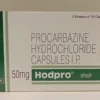
| Active Ingredient | Procarbazine |
|---|---|
| Manufacturer | Neon Laboratories |
| Packaging | 10 capsules in 1 strip |
| Strength | 50mg |
| Delivery Time | 6 To 15 days |
| SKU: | Hodpro 50 Mg (Procarbazine) |
Hodpro 50 Mg (Procarbazine): Uses, Dosage, Side Effects, and Complete Guide
If you or a loved one has recently been prescribed Hodpro 50 Mg (Procarbazine), it’s natural to have questions. Chemotherapy medications can feel overwhelming, especially when you’re already dealing with a cancer diagnosis. This guide breaks down everything you need to know about Hodpro 50 Mg in simple, clear language — what it is, how it works, how it’s typically used, and what to expect along the way.
Please remember: this article is for educational purposes only. It is not a substitute for professional medical advice. Always follow your oncologist’s instructions and never start, stop, or change your dose without consulting your treating doctor.
What Is Hodpro 50 Mg (Procarbazine)?
Hodpro 50 Mg is a brand-name formulation of Procarbazine hydrochloride, an oral chemotherapy drug primarily used in the treatment of Hodgkin’s lymphoma, a type of cancer that affects the lymphatic system. It belongs to a class of drugs known as alkylating agents, which work by interfering with the DNA of rapidly dividing cancer cells, ultimately stopping their growth and spread.
Procarbazine has been used in cancer treatment for decades and remains an important part of certain multi-drug chemotherapy regimens, most notably the MOPP regimen (Mechlorethamine, Oncovin/Vincristine, Procarbazine, Prednisone), which has helped many patients achieve long-term remission from Hodgkin’s disease.
Hodpro 50 Mg comes as an oral capsule or tablet (depending on the manufacturer’s formulation), making it more convenient than intravenous chemotherapy drugs, since it can often be taken at home under medical supervision. This oral route is one of the reasons Procarbazine-based regimens are still favored in certain settings — patients don’t need to visit an infusion center for this particular component of their treatment, which can ease the overall burden of a demanding chemotherapy schedule.
Composition and Available Strengths
Each unit of Hodpro contains 50 mg of Procarbazine hydrochloride as the active ingredient. This strength is commonly used because it allows oncologists to fine-tune the total daily dose by adjusting the number of capsules/tablets taken, based on body surface area calculations.
Procarbazine formulations are manufactured under various brand names across different markets, but the active molecule and mechanism of action remain the same. What differs between brands is typically the manufacturer, inactive ingredients (excipients), packaging, and price point — not the core therapeutic effect, provided the product is sourced from a reputable, licensed manufacturer.
Why Is Hodpro 50 Mg Still Used Today?
With so many newer targeted therapies and immunotherapies available, patients sometimes wonder why a decades-old drug like Procarbazine remains part of modern treatment protocols. There are a few good reasons:
- Proven track record: Procarbazine-containing regimens like MOPP have decades of clinical data supporting their effectiveness, particularly in relapsed or refractory Hodgkin’s lymphoma cases where other treatments haven’t worked
- Cost-effectiveness: Compared to many newer biologic or targeted therapies, Procarbazine is significantly more affordable, making it accessible to a wider range of patients
- Established safety profile: Because it’s been used clinically for so long, doctors have a very clear understanding of its risks, side effects, and how to manage them
- Combination synergy: When paired with other chemotherapy agents in protocols like MOPP or PCV, Procarbazine contributes to a multi-pronged attack on cancer cells that’s difficult to achieve with a single newer agent alone
How Does Hodpro 50 Mg (Procarbazine) Work?
Cancer cells multiply much faster than normal, healthy cells. Procarbazine works by:
- Damaging the DNA structure of cancer cells, which prevents them from dividing and multiplying
- Inhibiting protein synthesis, further disrupting the cancer cell’s ability to grow
- Interfering with the cell cycle, particularly during the phase when cells are most vulnerable to damage
Because Procarbazine affects any rapidly dividing cell — not just cancerous ones — it can also impact healthy cells that divide quickly, such as those in the bone marrow, hair follicles, and digestive tract. This is why chemotherapy drugs like Hodpro 50 Mg often come with a distinct set of side effects, which we’ll cover in detail below.
Uses of Hodpro 50 Mg (Procarbazine)
Hodpro 50 Mg is primarily prescribed for:
- Hodgkin’s Lymphoma – as part of combination chemotherapy, especially in advanced stages (Stage III and IV)
- Non-Hodgkin’s Lymphoma – sometimes used off-label depending on the specific case and doctor’s judgment
- Brain tumors – including certain gliomas, in combination with other chemotherapy agents (as part of the PCV regimen: Procarbazine, CCNU/Lomustine, Vincristine)
It’s important to understand that Procarbazine is almost never used as a standalone treatment. It’s typically combined with other chemotherapy drugs to maximize effectiveness while trying to manage the overall side effect burden. Your oncologist will determine the exact combination and treatment plan based on your specific diagnosis, cancer stage, overall health, and treatment history.
How Is Hodpro 50 Mg Taken?
Hodpro 50 Mg is generally taken orally, and dosing is highly individualized based on:
- Body surface area (BSA), which factors in height and weight
- The specific chemotherapy protocol being followed (such as MOPP or PCV)
- Kidney and liver function
- Blood counts at the start of and during treatment
- How well the patient tolerates the drug over successive cycles
Because dosing calculations are complex and cycle-dependent, only your oncologist or treating physician should determine your exact dose and schedule. Chemotherapy is typically given in cycles, with treatment days followed by rest periods that allow your body — particularly your bone marrow — to recover.
A few general points to keep in mind:
- Take the medication exactly as prescribed, at the same time each day if possible, to maintain consistent levels in your body
- Swallow capsules/tablets whole; do not crush, chew, or open them unless specifically instructed by your doctor or pharmacist
- If you miss a dose, do not double up — contact your treatment team for guidance
- Store the medication as directed on the label, typically in a cool, dry place away from direct sunlight and out of reach of children
What to Do If You Miss a Dose
If you forget to take a scheduled dose of Hodpro 50 Mg, contact your oncology team as soon as you remember rather than guessing on your own. Chemotherapy dosing schedules are carefully planned around cycle timing and blood count recovery, so your doctor may advise you to take the missed dose right away, skip it entirely, or adjust the remaining schedule — the right answer depends on how much time has passed and where you are in your treatment cycle.
What Happens in Case of Overdose
An accidental overdose of Procarbazine is a medical emergency. Signs may include severe nausea and vomiting, significant drop in blood pressure, seizures, or unusual bleeding. If an overdose is suspected, seek emergency medical attention immediately or contact your local poison control center. Do not wait for symptoms to worsen before seeking help.
Handling and Storage Precautions
Because Hodpro 50 Mg is a cytotoxic (cell-killing) medication, a few extra handling precautions are worth keeping in mind:
- Wash your hands before and after handling the medication
- Keep the medication in its original packaging until it’s time to take a dose
- Store away from heat, moisture, and direct sunlight, ideally at room temperature as specified on the label
- Keep completely out of reach of children and pets
- If a caregiver needs to handle the capsules (for example, organizing a pill box), wearing disposable gloves is a reasonable precaution
- Dispose of any unused or expired medication according to your pharmacist’s instructions — do not simply throw it in household trash or flush it down the toilet
Common Side Effects of Hodpro 50 Mg (Procarbazine)
Like most chemotherapy drugs, Hodpro 50 Mg can cause a range of side effects. Not everyone experiences them the same way, and your care team will monitor you closely throughout treatment.
Common side effects include:
- Nausea and vomiting
- Loss of appetite
- Fatigue and general weakness
- Hair thinning or hair loss
- Mouth sores
- Diarrhea or constipation
- Skin rash or increased sensitivity to sunlight
- Temporary changes in taste
More serious side effects that require immediate medical attention:
- Signs of infection – fever, chills, sore throat (due to low white blood cell counts)
- Unusual bruising or bleeding – including nosebleeds, bleeding gums, or blood in urine/stool (due to low platelet counts)
- Severe fatigue or shortness of breath – potentially indicating low red blood cell counts (anemia)
- Signs of an allergic reaction – swelling of the face/throat, difficulty breathing, severe rash
- Numbness or tingling in hands and feet (peripheral neuropathy)
- Yellowing of the skin or eyes (a possible sign of liver involvement)
- Persistent cough or difficulty breathing (rare but possible lung-related effects)
Because Procarbazine can suppress bone marrow function, your doctor will schedule regular blood tests during treatment to monitor your white blood cells, red blood cells, and platelets. This helps catch any complications early and allows for dose adjustments if needed.
Precautions and Warnings
Before starting Hodpro 50 Mg, make sure your doctor is fully aware of your complete medical history. Certain precautions are especially important with this medication:
Bone marrow suppression: Procarbazine can significantly lower blood cell counts, increasing the risk of infection, bleeding, and anemia. Regular blood monitoring is essential throughout treatment.
Food and drug interactions: Procarbazine has mild MAO inhibitor (monoamine oxidase inhibitor) properties. This means certain foods high in tyramine — such as aged cheeses, cured meats, fermented foods, and some alcoholic beverages — should generally be avoided, as they can cause a dangerous spike in blood pressure. Your care team will provide a detailed list of foods and substances to avoid.
Alcohol: Alcohol consumption should typically be avoided during treatment, as it can worsen side effects and interact with the drug’s MAO-inhibiting effects.
Other medications: Inform your doctor about all medications, supplements, and over-the-counter drugs you’re taking, as Procarbazine can interact with:
- Antidepressants (especially other MAO inhibitors, SSRIs)
- Sedatives and sleep aids
- Certain cold and allergy medications containing decongestants
- Other chemotherapy agents
Pregnancy and breastfeeding: Procarbazine can cause serious harm to a developing fetus and should not be used during pregnancy. It’s also not recommended during breastfeeding. Effective contraception is strongly advised for both men and women during and after treatment, as discussed with your doctor.
Fertility: Procarbazine may affect fertility in both men and women, sometimes permanently. If preserving fertility is a concern, discuss options like sperm or egg banking with your doctor before starting treatment.
Vaccinations: Avoid live vaccines during treatment, as your weakened immune system may not respond safely to them. Always check with your doctor before receiving any vaccination.
Existing health conditions: Let your doctor know if you have a history of:
- Liver or kidney disease
- Bone marrow disorders
- Seizure disorders
- Any known drug allergies
Who Should Avoid Hodpro 50 Mg?
Certain individuals may need to avoid this medication or use it with extreme caution, including:
- Those with a known hypersensitivity to Procarbazine or any of its components
- Patients with severely compromised bone marrow function
- Pregnant or breastfeeding individuals
- Patients with severe liver or kidney impairment (dose adjustments may be necessary)
Your oncologist will carefully weigh the risks and benefits based on your individual health profile before recommending this medication.
Diet and Lifestyle Considerations During Treatment
Nutrition and daily habits can make a real difference in how well you tolerate chemotherapy. While your care team will give you personalized guidance, here are some general considerations that often come up for patients on Procarbazine-based regimens:
Nutrition: Eating a balanced diet with adequate protein can support your body’s ability to repair tissue and recover between cycles. Some patients find it easier to manage nausea by eating smaller, more frequent meals rather than three large ones. Bland, easy-to-digest foods (like toast, rice, and bananas) are often better tolerated on tougher days.
Hydration: Drinking plenty of water helps your kidneys process the medication and its byproducts more efficiently, and can also help ease constipation, a common side effect.
Sun exposure: Since Procarbazine can increase skin sensitivity to sunlight, wearing sunscreen, protective clothing, and a hat when outdoors is a good habit to adopt during treatment.
Physical activity: Gentle activity, such as short walks, can help combat fatigue and improve mood, but always check with your doctor about what level of activity is appropriate for you, especially on days when your blood counts are low.
Oral care: Since mouth sores are a common side effect, using a soft-bristled toothbrush and rinsing with a doctor-recommended mouthwash can help keep your mouth comfortable and reduce infection risk.
How Your Doctor Will Monitor You
Throughout your course of Hodpro 50 Mg, expect regular check-ins with your oncology team. Typical monitoring includes:
- Complete blood counts (CBC) before each treatment cycle and sometimes in between, to check white blood cells, red blood cells, and platelets
- Liver and kidney function tests, since these organs process and clear the medication from your body
- Physical examinations to assess how you’re tolerating treatment and to catch any early signs of complications
- Imaging scans (CT, PET, or MRI) periodically to evaluate how well the tumor is responding to treatment
- Symptom check-ins at every visit — be open and honest about what you’re experiencing, even things that feel minor, since they can inform dose adjustments
This ongoing monitoring is what allows your care team to adjust your treatment plan in real time, balancing effective cancer control with your quality of life.
Frequently Asked Questions (FAQs)
1. Is Hodpro 50 Mg (Procarbazine) a form of chemotherapy?
Yes, Hodpro 50 Mg is an oral chemotherapy medication used mainly in combination regimens for Hodgkin’s lymphoma and certain brain tumors.
2. How long does a typical treatment course last?
Treatment duration varies widely depending on the chemotherapy protocol, cancer stage, and individual response. It can range from a few months to longer, with treatment given in cycles followed by rest periods.
3. Can I take Hodpro 50 Mg with food?
Your doctor or pharmacist will advise you on this, as it can depend on the specific formulation and your tolerance. Never make changes without professional guidance.
4. Will I lose my hair while taking this medication?
Hair thinning or hair loss is a possible side effect, though it varies from person to person and often depends on the full combination of chemotherapy drugs being used.
5. What foods should I avoid while on Procarbazine?
Due to its mild MAO-inhibiting properties, it’s generally best to avoid tyramine-rich foods like aged cheese, cured/processed meats, soy sauce, and fermented products. Your care team will give you a complete, personalized list.
6. Can Hodpro 50 Mg affect fertility?
Yes, it can potentially affect fertility in both men and women. If this is a concern, speak with your doctor about fertility preservation options before starting treatment.
7. What should I do if I experience severe side effects?
Contact your treatment team or seek emergency care immediately if you experience signs of infection, unusual bleeding, severe allergic reactions, or difficulty breathing.
8. Is it safe to drink alcohol during treatment?
Alcohol is generally discouraged during Procarbazine treatment due to potential interactions and worsened side effects. Always confirm with your doctor.
9. How is my response to treatment monitored?
Your doctor will use a combination of regular blood tests, imaging scans (such as CT or PET scans), and physical exams to track how well the treatment is working and adjust your plan as needed.
10. Can Hodpro 50 Mg be taken alongside other medications?
Only under close medical supervision. Always disclose your full medication and supplement list to your oncology team before starting treatment to avoid harmful interactions.
Disclaimer:-
This information about Hodpro 50 Mg (Procarbazine) is provided for educational purposes only and should not replace professional medical advice, diagnosis, or treatment. Procarbazine is a prescription anticancer medicine and should be used only under the supervision of a qualified healthcare professional. Do not change the dose, stop treatment, or combine it with other medicines without consulting your doctor. Always follow the prescription, medication guide, and instructions provided by your healthcare provider.
Additional information
| unit | 30 Capsules, 60 Capsules, 90 Capsules |
|---|


Reviews
There are no reviews yet.