
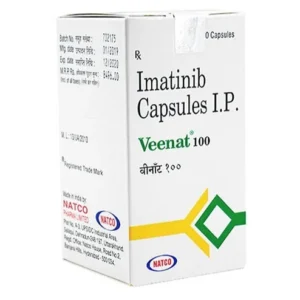
Imatib 100 Mg (Imatinib)

Price range: $123.00 through $1,050.00
| Active Ingredient | Imatinib |
|---|---|
| Manufacturer | Cipla Limited |
| Packaging | 10 tablets in 1 strip |
| Strength | 100mg, 400mg |
| Delivery Time | 6 To 15 days |
| SKU: | Imatib 100 Mg |
Imatib 100 Mg (Imatinib): Uses, Dosage, Side Effects, and Precautions
Getting a cancer diagnosis — or watching a loved one go through one — brings a wave of medical terms that can feel overwhelming. If you or someone you care about has just been prescribed Imatib 100 Mg, you probably have a dozen questions running through your head: What exactly is this medicine? How does it work? What should you watch out for? This guide walks through everything you need to know about Imatib 100 Mg (Imatinib) in plain, everyday language, so you can have a more informed conversation with your doctor.
Note: This article is for general educational purposes only. It is not a substitute for professional medical advice. Always follow your oncologist’s instructions and never start, stop, or change your dose without consulting them.
What Is Imatib 100 Mg?
Imatib 100 Mg is a prescription tablet manufactured by Cipla Ltd, one of India’s largest pharmaceutical companies. Its active ingredient is Imatinib mesylate, dosed at 100 mg per tablet. Imatinib belongs to a class of targeted cancer drugs called tyrosine kinase inhibitors (TKIs), and it’s chemically classified as a benzamide derivative.
Unlike traditional chemotherapy, which attacks all rapidly dividing cells in the body, Imatinib is a targeted therapy. It goes after a specific abnormal protein that drives certain cancers, which generally means it can be gentler on healthy tissue while still being highly effective against the disease it’s designed to treat.
Imatib 100 Mg is a prescription-only medicine (Schedule H in India), meaning it cannot legally be purchased without a valid doctor’s prescription. It typically comes in a strip of 10 tablets and should be stored below 30°C, away from direct sunlight and moisture.
What Is Imatib 100 Mg Used For?
Imatib 100 Mg (Imatinib) is primarily used to treat certain cancers of the blood and digestive system. The most common uses include:
- Chronic Myeloid Leukemia (CML) — a slow-growing blood cancer that affects the bone marrow’s ability to produce healthy white blood cells
- Philadelphia chromosome-positive Acute Lymphoblastic Leukemia (Ph+ ALL) — a fast-growing blood cancer
- Gastrointestinal Stromal Tumors (GIST) — tumors that form in the stomach or intestines
- Dermatofibrosarcoma protuberans — a rare type of skin tumor
- Aggressive systemic mastocytosis — a condition involving abnormal accumulation of mast cells, often in the bone marrow
- Certain other rare blood disorders and myeloproliferative diseases, when specifically prescribed by a hematologist or oncologist
Because these conditions vary widely in severity and presentation, your doctor will decide whether Imatib 100 Mg is appropriate for your specific diagnosis, and at what dose.
How Does Imatib 100 Mg Work?
To understand how Imatinib works, it helps to know a little about what goes wrong at the cellular level in diseases like CML.
In Chronic Myeloid Leukemia, a genetic abnormality causes two chromosomes (9 and 22) to swap pieces of DNA, creating what’s called the Philadelphia chromosome. This abnormal chromosome produces a faulty protein called BCR-ABL tyrosine kinase, which sends nonstop “grow and divide” signals to white blood cells, causing them to multiply uncontrollably.
Imatinib works by specifically blocking this BCR-ABL protein, along with a few related enzymes such as c-KIT and PDGFR, which are involved in the growth of GIST and certain other tumors. By inhibiting these proteins, Imatinib:
- Stops the abnormal cancer cells from continuing to multiply
- Triggers apoptosis (a natural, programmed process where damaged or abnormal cells self-destruct) in the cancer cells
- Helps slow or halt disease progression, often leading to long-term remission when used as directed
This targeted mechanism is a big part of why Imatinib transformed CML treatment when it was introduced — it turned what was once a life-threatening diagnosis into a manageable chronic condition for many patients.
Dosage: How Is Imatib 100 Mg Taken?
Dosage decisions for Imatinib are highly individualized. Your oncologist will determine the right dose based on your specific diagnosis, body weight, disease stage, response to treatment, and how well you tolerate the medicine. Standard adult doses for CML often range between 400 mg and 800 mg per day, while GIST treatment is commonly around 400 mg daily, though these figures vary by patient and by prescribing physician. Because Imatib comes in 100 mg tablets, your doctor may prescribe multiple tablets to reach your target dose, or start you on a lower dose (such as 100 mg) and adjust it over time.
General guidance on how to take it (always confirm specifics with your doctor):
- Swallow the tablet whole with a full glass of water. Do not chew, crush, or break it.
- Take it with food or right after a meal to reduce the chance of stomach upset.
- Try to take it at the same time every day — consistency helps maintain steady drug levels in your body.
- If you have difficulty swallowing tablets, ask your doctor whether it can be dispersed in a small glass of water or apple juice and consumed immediately (this must be confirmed with your prescribing doctor or pharmacist first).
- Do not stop taking the medicine or change your dose on your own, even if you start feeling better. Cancer treatment often needs to continue for a specific duration to be effective, and stopping early can allow the disease to progress.
- If you miss a dose, don’t double up the next one to “catch up” — check with your doctor about what to do.
It may take several weeks or months of consistent use before you notice or feel the benefits of treatment, so don’t be discouraged if results aren’t immediate. Your doctor will track your progress through periodic blood tests and imaging.
Side Effects of Imatib 100 Mg
Like all medications, Imatib 100 Mg can cause side effects. Most are mild to moderate and tend to improve as your body adjusts to the medicine, but it’s still important to know what to expect and when to reach out to your doctor.
Common side effects
- Nausea and vomiting
- Diarrhea
- Muscle cramps
- Musculoskeletal (bone, muscle, or joint) pain
- Fatigue
- Abdominal pain
- Edema (swelling), especially around the eyes, ankles, or feet
- Skin rash
- Headache
- Weight gain
- Dizziness
- Cough
- Taste disturbances
- Dry eyes
Less common but more serious side effects
- Unusual bleeding or bruising
- Breathing difficulties
- Signs of liver problems, such as yellowing of the skin or eyes, dark urine, or unusual fatigue
- Rapid or unexpected weight gain, which could indicate fluid retention affecting the heart or lungs
- Low blood cell counts (which can increase infection risk, cause anemia, or affect clotting)
- Severe skin reactions
Most patients tolerate Imatinib reasonably well, especially with supportive care and dose adjustments where needed. That said, you should never dismiss a new or worsening symptom. If you experience anything that feels severe, sudden, or concerning, contact your healthcare provider right away rather than waiting for your next scheduled appointment.
Precautions and Safety Advice
Because Imatib 100 Mg is a powerful, targeted therapy, there are several important precautions to keep in mind throughout treatment.
Regular monitoring is essential. Your doctor will likely order periodic blood tests to monitor your complete blood count and liver function, since Imatinib can affect both bone marrow activity and liver enzymes.
Pregnancy and breastfeeding. Imatinib is considered unsafe during pregnancy, as it can cause serious harm to a developing baby, including birth defects or pregnancy loss. It’s also considered unsafe while breastfeeding, since the drug can pass into breast milk. Both male and female patients are generally advised to use effective contraception during treatment, and to discuss family planning carefully with their doctor before, during, and after therapy.
Driving and operating machinery. Imatinib can cause dizziness, blurred vision, or drowsiness in some people. Until you know how the medicine affects you, avoid driving or operating heavy machinery.
Sun sensitivity. Some patients find their skin becomes more sensitive to sunlight while on Imatinib, which can lead to rashes, redness, or sunburn more easily than usual. Wearing protective clothing and using a broad-spectrum sunscreen (SPF 15 or higher) when outdoors is a sensible precaution.
Kidney and liver conditions. Patients with significant kidney or liver disease may need dose adjustments, so it’s important to disclose your full medical history to your prescribing doctor.
Alcohol. The safety of consuming alcohol while on Imatib 100 Mg isn’t firmly established, so it’s best to check with your doctor before drinking.
Never self-medicate. Because Imatinib interacts with a wide range of other drugs (more on this below), you shouldn’t take any new medicine — including something as seemingly harmless as paracetamol, herbal supplements, or over-the-counter remedies — without first checking with your doctor or pharmacist.
Drug Interactions
Imatinib is metabolized primarily through a liver enzyme called CYP3A4, which means it can interact with a wide range of other medications. Some notable interactions include:
- Statins (e.g., Atorvastatin): Imatinib can raise blood levels of certain statins, increasing the risk of muscle pain or weakness.
- Ranolazine: Combined use may raise Imatinib levels, increasing the risk of nausea, dizziness, or headache.
- Pimozide: Concurrent use is generally avoided due to the risk of serious heart rhythm effects.
- Vinblastine and Vincristine: Imatinib may raise the blood levels of these chemotherapy drugs, so concurrent use requires close medical supervision.
- Warfarin and other blood thinners: Interaction may affect bleeding risk and require closer monitoring.
- CYP3A4 inducers (like rifampin or St. John’s Wort): These can reduce Imatinib’s effectiveness by speeding up its breakdown in the body.
- CYP3A4 inhibitors (like ketoconazole, clarithromycin, or grapefruit juice): These can raise Imatinib levels in the blood, increasing the risk of side effects.
This is far from an exhaustive list. Always give your doctor and pharmacist a complete rundown of everything you’re taking — prescription drugs, over-the-counter medicines, vitamins, and herbal supplements — before starting Imatib 100 Mg, and any time a new medication is added during treatment.
Storage Instructions
- Store Imatib 100 Mg tablets below 30°C, in a cool, dry place away from direct sunlight.
- Keep the medicine in its original packaging until it’s time to take a dose.
- Keep out of reach of children and pets.
- Do not use the medicine beyond its expiry date, and dispose of unused or expired tablets according to local guidelines rather than throwing them in household trash or flushing them.
Frequently Asked Questions
Can Imatib 100 Mg be taken on an empty stomach?
It’s generally recommended to take it with food and a full glass of water, as this helps reduce stomach irritation and nausea. Your doctor may give more specific instructions based on your treatment plan.
How long does it take for Imatib 100 Mg to work?
Response times vary by individual and by condition. Some patients notice improvements in blood counts within weeks, while full disease response may take several months of consistent treatment. Your doctor will track your progress with regular tests.
Will I need to take Imatib 100 Mg forever?
Duration of treatment depends on your specific diagnosis, how well you respond, and your doctor’s clinical judgment. Some patients remain on therapy long-term, while others may eventually be evaluated for treatment-free remission under close medical supervision. This decision should never be made independently — always follow your oncologist’s guidance.
Is it safe to switch between different brands of Imatinib?
Switching brands (for example, between Imatib, Imanib, Imat, or other generic versions) should only be done with your doctor’s knowledge and approval, since formulations, manufacturers, and bioavailability can vary slightly.
What should I do if I experience swelling or rapid weight gain?
Contact your doctor promptly. Fluid retention is a known side effect of Imatinib and, while often manageable, it needs medical evaluation to rule out more serious complications.
Can I take painkillers like paracetamol while on Imatib 100 Mg?
Not without checking first. Even common over-the-counter medicines can interact with Imatinib, so always consult your doctor or pharmacist before adding anything to your regimen.
Does Imatib 100 Mg cause hair loss?
Hair thinning has been reported in some patients on Imatinib, though it’s generally less pronounced than with traditional chemotherapy. Discuss any hair changes with your doctor.
Is Imatib 100 Mg a form of chemotherapy?
It’s classified as an anti-neoplastic (cancer-fighting) medication, but it works differently from traditional chemotherapy. As a targeted tyrosine kinase inhibitor, it’s designed to act more selectively on cancer-driving proteins rather than broadly attacking all fast-dividing cells.
Disclaimer:-
The information provided about Imatib 100 Mg (Imatinib) is for educational and informational purposes only and should not be considered medical advice. Imatib 100 Mg (Imatinib) is a prescription medicine and should be used only under the supervision of a qualified healthcare professional. Dosage, duration of treatment, potential side effects, drug interactions, and precautions may vary depending on the individual’s condition and medical history. Do not start, stop, or change the dose of this medicine without consulting your doctor. Always follow the prescription and instructions provided by your healthcare provider.
Additional information
| mg | 100 Mg, 400 Mg |
|---|---|
| unit | 300 Tablet, 90 Tablet, 120 Tablet, 150 Tablet |




Reviews
There are no reviews yet.