
Lamivir 100 Mg (Lamivudine)
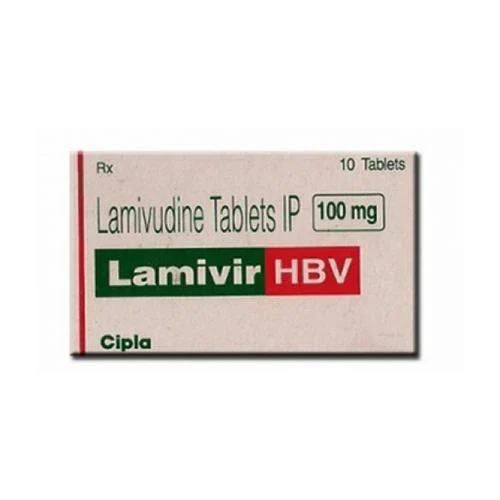
Price range: $45.00 through $130.00
| Active Ingredient | Lamivudine |
|---|---|
| Manufacturer | Cipla Limited |
| Packaging | 10 tablets in 1 strip |
| Strength | 100mg, 150mg |
| Delivery Time | 6 To 15 days |
| SKU: | Lamivir HBV 100 Mg (Lamivudine) |
Lamivir 100 Mg (Lamivudine): Uses, Dosage, Side Effects & Complete Guide
When it comes to managing chronic hepatitis B — one of the world’s most prevalent and potentially life-threatening liver infections — having a reliable, well-tolerated, and proven antiviral medication can make all the difference between disease progression and long-term liver health. And when it comes to HIV treatment, certain medications have stood the test of time across decades of clinical use, remaining relevant and effective even as the treatment landscape evolves.
Lamivir 100 Mg (Lamivudine) occupies a remarkable position in both of these critical medical areas — a medication with over three decades of clinical history, a safety profile that is genuinely among the best in its class, and a global footprint that has touched millions of lives across the world.
Whether you have been prescribed Lamivir 100 Mg for hepatitis B treatment, HIV therapy, or are simply trying to understand this medication better, this comprehensive guide will walk you through everything you need to know — clearly, completely, and in genuinely human language.
What Is Lamivir 100 Mg (Lamivudine)?
Lamivir 100 Mg is an oral antiviral tablet containing Lamivudine 100 mg as its active ingredient. It is manufactured by Cipla Ltd. — one of India’s most globally respected and recognized pharmaceutical companies — and is one of the most widely prescribed generic formulations of Lamivudine worldwide.
Lamivudine belongs to the class of antiviral drugs called Nucleoside Reverse Transcriptase Inhibitors (NRTIs) — medications that work by mimicking natural DNA building blocks and blocking the viral enzyme reverse transcriptase, which both HIV and Hepatitis B virus (HBV) rely on for replication.
Lamivudine is available in two distinct dose formulations that serve different clinical purposes:
- Lamivudine 100 mg (Lamivir 100 Mg) — used specifically for chronic hepatitis B (CHB) treatment
- Lamivudine 150 mg and 300 mg — used as part of HIV combination antiretroviral therapy (cART)
This distinction is clinically important — Lamivir 100 Mg is the hepatitis B formulation — and understanding the appropriate dose for your specific condition is essential.
Lamivudine holds a distinguished place in the history of antiviral medicine:
- First approved by the FDA in 1995 for HIV treatment
- Subsequently approved for chronic hepatitis B in 1998
- Listed on the World Health Organization’s List of Essential Medicines — recognizing its fundamental global clinical importance
- One of the most extensively studied antivirals in medical history — with safety and efficacy data spanning over 30 years
The Science of Lamivudine — A Deceptively Simple but Powerful Mechanism
Lamivudine’s brilliance lies in molecular mimicry — the ability to disguise itself as a natural component that viruses desperately need, only to become a molecular dead end when used.
Here is the story:
Both HIV and Hepatitis B virus replicate by building new copies of their genetic material — DNA or RNA — using the enzyme reverse transcriptase (in HIV and HBV, this enzyme serves as the molecular engine of replication).
Lamivudine is a synthetic analogue of cytidine — one of the four natural nucleoside building blocks that make up DNA. When Lamivudine enters virus-infected cells, it undergoes intracellular phosphorylation — a three-step activation process — to become Lamivudine triphosphate (3TC-TP), the pharmacologically active form.
Inside the cell, reverse transcriptase cannot tell the difference between genuine cytidine triphosphate and Lamivudine triphosphate. It incorporates Lamivudine triphosphate into the growing viral DNA chain — but then something critical happens:
Lamivudine lacks the 3′-hydroxyl group that is chemically required to continue building the DNA chain. The moment Lamivudine is incorporated:
- DNA chain elongation stops
- Viral DNA synthesis is terminated
- The virus cannot complete its replication cycle
- New viral particles cannot be produced
This mechanism is the same against both HIV reverse transcriptase and HBV DNA polymerase — which also contains reverse transcriptase activity — making Lamivudine dual-active against both pathogens.
Selectivity for viral over human polymerases: A critically important feature of Lamivudine is its selective inhibition of viral reverse transcriptase over human DNA polymerases. Human DNA polymerases do not efficiently incorporate Lamivudine triphosphate — meaning the drug’s chain-terminating effect is targeted to viral replication machinery, explaining its favorable safety profile in healthy human cells.
What Is Lamivir 100 Mg (Lamivudine) Used For?
1. Chronic Hepatitis B (CHB) — Primary Indication of Lamivir 100 Mg
This is the principal and most specific use of the 100 mg dose formulation. Chronic hepatitis B infection affects approximately 296 million people worldwide (WHO, 2019) and is a leading cause of:
- Chronic liver disease
- Cirrhosis — progressive liver scarring
- Hepatocellular carcinoma (HCC) — primary liver cancer
- Liver failure and liver-related death
Lamivudine was the first oral antiviral approved for chronic hepatitis B — a landmark achievement that transformed HBV management from interferon-only treatment to accessible, well-tolerated oral therapy.
How Lamivir 100 Mg helps in chronic hepatitis B:
- Suppresses HBV DNA levels — reducing or eliminating detectable virus in blood
- Normalizes ALT (alanine aminotransferase) — liver enzyme levels return toward normal, reflecting reduced liver inflammation
- Leads to HBeAg seroconversion in HBeAg-positive patients — loss of HBeAg and development of anti-HBe antibody
- Reduces liver inflammation and fibrosis progression — protecting liver architecture
- Decreases risk of progression to cirrhosis and hepatocellular carcinoma
- Improves liver histology — measurable improvement in liver biopsy findings
Clinical trial evidence: The pivotal Dienstag et al. (1995) and NUCB3018 trials demonstrated:
- Lamivudine 100 mg/day achieved HBV DNA suppression to undetectable levels in the majority of HBeAg-positive patients
- HBeAg seroconversion rates of approximately 16–18% per year — increasing with duration of treatment
- Significant histological improvement in liver biopsies at 1 year of treatment
2. HIV-1 Treatment — Component of Combination ART (At Higher Doses)
While Lamivir 100 Mg specifically serves hepatitis B treatment, Lamivudine at 150 mg twice daily or 300 mg once daily is a backbone NRTI in HIV combination antiretroviral therapy.
Lamivudine is a component of many widely used HIV fixed-dose combinations:
- TDF + Lamivudine + Dolutegravir — WHO preferred first-line HIV regimen
- TDF + Lamivudine + Efavirenz — widely used globally
- Abacavir + Lamivudine (Kivexa/Epzicom) — NRTI backbone for specific populations
- Zidovudine + Lamivudine (Combivir) — still used in certain settings
📌 Important: The HIV indication uses higher doses (150 mg or 300 mg). Lamivir 100 Mg is specifically the hepatitis B formulation. Always take exactly the dose your doctor has prescribed for your specific condition.
3. HIV/HBV Co-infection
In patients co-infected with both HIV and HBV — a clinically important group given significant overlap in transmission routes — Lamivudine at HIV doses (150–300 mg) as part of a combination ART regimen provides dual antiviral activity against both viruses simultaneously. This is a significant clinical advantage of Lamivudine in co-infected populations.
4. Prevention of Mother-to-Child Transmission (PMTCT) of Hepatitis B
In some clinical settings, Lamivudine is used in the third trimester of pregnancy in highly viraemic HBV-infected women to reduce maternal viral load and decrease the risk of HBV transmission to the newborn — particularly where Tenofovir (the preferred agent) is not available or tolerated.
Lamivir 100 Mg Dosage Guide
Standard Doses by Indication:
| Indication | Dose | Frequency | Duration |
|---|---|---|---|
| Chronic Hepatitis B (adults) | 100 mg | Once daily | Long-term (see below) |
| Chronic Hepatitis B (renal impairment — CrCl 30–49 mL/min) | 50 mg | Once daily | Adjusted |
| Chronic Hepatitis B (renal impairment — CrCl 15–29 mL/min) | 25 mg | Once daily | Adjusted |
| Chronic Hepatitis B (CrCl 5–14 mL/min) | 15 mg | Once daily | Adjusted |
| Chronic Hepatitis B (CrCl < 5 mL/min — not on dialysis) | 10 mg | Once daily | Specialist guidance |
| HIV treatment (separate higher-dose formulations) | 150 mg BD or 300 mg OD | As prescribed | Lifelong |
Duration of Hepatitis B Treatment:
The duration of Lamivudine therapy for CHB is an important and nuanced clinical decision:
HBeAg-positive CHB:
- Treatment continued until HBeAg seroconversion (loss of HBeAg + development of anti-HBe) AND a further 6–12 months consolidation period after seroconversion — then consider stopping under close monitoring
HBeAg-negative CHB:
- Treatment is typically long-term or indefinite — because HBeAg-negative patients have a very high rate of HBV DNA relapse if treatment is stopped prematurely
Cirrhotic patients:
- Treatment is generally indefinite — stopping Lamivudine in cirrhotic patients risks severe hepatitis flares that can precipitate liver decompensation
MGMT promoter consideration: An important practical reality: YMDD resistance mutations (discussed below) develop in a significant proportion of patients on long-term Lamivudine — this influences treatment duration decisions and the preferred current agents
How to Take Lamivir 100 Mg Correctly:
- Take with or without food — Lamivudine absorption is not significantly affected by food intake; consistency of administration is more important than meal timing
- Take at the same time every day — maintaining consistent blood levels maximizes antiviral effectiveness
- Swallow the tablet whole with a full glass of water
- Take at a convenient, memorable time — morning with breakfast or evening with dinner helps build a consistent habit
- Never skip doses — even when feeling well; HBV replication can rebound quickly with missed doses
- If you miss a dose, take it as soon as you remember on the same day; if it is already the following day, skip the missed dose and resume your schedule — never double up
- Store at room temperature (below 30°C), in a cool, dry place away from moisture and direct sunlight
The Critical Issue of Lamivudine Resistance in Hepatitis B — YMDD Mutations
This is one of the most clinically important aspects of Lamivudine therapy for chronic hepatitis B — and every patient on this medication should understand it.
With long-term Lamivudine use for HBV, a significant proportion of patients develop resistance mutations in the HBV DNA polymerase gene — specifically YMDD motif mutations:
- M204V — Valine substitution
- M204I — Isoleucine substitution
- Often accompanied by compensatory mutations L180M and V173L
These mutations alter the shape of the HBV polymerase active site, reducing Lamivudine’s ability to bind and terminate DNA synthesis. The clinical consequence is virologic breakthrough — a rise in HBV DNA after initial suppression — followed by biochemical breakthrough (rising ALT) and potential histological deterioration.
Resistance development rates with Lamivudine for HBV:
- Year 1: approximately 14–32%
- Year 2: approximately 38%
- Year 3: approximately 49%
- Year 4: approximately 66%
- Year 5: approximately 70%
This resistance problem is the primary reason why Tenofovir Disoproxil Fumarate (TDF) and Entecavir have largely supplanted Lamivudine as preferred first-line agents for CHB in current international guidelines (EASL, AASLD, WHO):
- Both Tenofovir and Entecavir have significantly higher genetic barriers to resistance
- Entecavir has demonstrated < 1% resistance at 5 years in treatment-naïve patients
- Tenofovir has demonstrated zero resistance at 8 years in treatment-naïve patients
When is Lamivir 100 Mg still used? Despite this resistance concern, Lamivudine remains clinically relevant in:
- Settings where Tenofovir or Entecavir are unavailable or unaffordable
- Patients with renal impairment where Tenofovir may be contraindicated
- Short-term use — pre- and post-liver transplant, PMTCT, short-course treatment
- In combination with Adefovir for Lamivudine-resistant HBV (where Tenofovir is not available)
- HIV/HBV co-infected patients on TDF + Lamivudine-containing ART — where both agents provide HBV coverage
- As a component of combination regimens in resource-limited settings
Common Side Effects of Lamivir 100 Mg (Lamivudine)
Lamivudine at the 100 mg hepatitis B dose is one of the best-tolerated antiviral medications available — this is consistently demonstrated across decades of clinical data and is one of its most valued characteristics.
Mild to Moderate Side Effects:
1. Headache Most commonly reported — typically mild, transient, and manageable with standard analgesics. Often most noticeable in the first few weeks of treatment as the body adjusts.
2. Fatigue and Malaise General tiredness — common to many antiviral medications; usually mild and improves as treatment continues. Adequate sleep, regular gentle exercise, and good nutrition help manage this.
3. Nausea Generally mild — significantly less common and less severe than with older antiviral agents. Taking Lamivir with food further reduces any nausea.
4. Diarrhea Mild loose stools — usually transient and manageable with dietary modifications.
5. Abdominal Discomfort Occasional cramping or bloating — typically mild and self-limiting.
6. Dizziness Occasional and mild — usually improves quickly.
7. Skin Rash Mild rash may occur early in treatment — generally manageable with antihistamines if needed.
8. Elevated Liver Enzymes An important nuance specific to hepatitis B treatment:
- A transient ALT elevation can occur shortly after starting Lamivudine — this may represent immune-mediated hepatocyte lysis as the immune system attacks infected cells being cleared by antiviral treatment
- This is generally a positive sign of immune response
- However, it requires differentiation from hepatotoxicity — your hepatologist will monitor liver function carefully in the first weeks of treatment
9. Upper Respiratory Tract Symptoms Nasal congestion, cough — mild and typically coincidental; Lamivudine does not specifically cause respiratory symptoms but these are reported in clinical trials.
Serious Side Effects (Seek Immediate Medical Attention):
1. Lactic Acidosis and Severe Hepatomegaly with Steatosis The most serious class-effect concern for all NRTIs including Lamivudine — though the risk at the 100 mg HBV dose is lower than at HIV doses:
- Caused by mitochondrial toxicity — NRTIs can inhibit mitochondrial DNA polymerase gamma (pol-γ)
- Presents with: persistent nausea, vomiting, abdominal pain, unexplained weight loss, generalized weakness, difficulty breathing, and irregular heartbeat
- Laboratory findings: elevated lactate, elevated LFTs, low bicarbonate
- Potentially life-threatening — discontinue Lamivudine immediately if suspected and seek emergency medical care
- Risk factors: female sex, obesity, prolonged NRTI exposure, pre-existing liver disease
2. Severe Acute Hepatitis B Exacerbation on Discontinuation This is perhaps the most clinically dangerous aspect of Lamivudine treatment for HBV — and it cannot be overstated:
When Lamivudine is stopped — whether due to treatment completion, resistance development, or inadvertent discontinuation — HBV replication can rebound rapidly and severely. This viral rebound can trigger:
- Severe acute hepatitis flare — dramatic ALT elevation, jaundice
- Acute liver failure — potentially fatal
- Risk is highest in patients with underlying cirrhosis or advanced fibrosis
🚨 Never stop Lamivir 100 Mg abruptly without medical guidance. Any discontinuation of Lamivudine in chronic hepatitis B patients must be supervised by a hepatologist with a planned monitoring and management strategy. Patients with cirrhosis should generally never stop Lamivudine without a clear plan and close follow-up.
3. Pancreatitis Rare — most commonly reported in pediatric HIV patients at higher doses; uncommon at the 100 mg HBV dose. Report severe abdominal pain radiating to the back with nausea and vomiting immediately.
4. Peripheral Neuropathy Rare at 100 mg dose — tingling, numbness, or burning sensation in hands and feet. More commonly associated with higher NRTI doses and longer-term HIV therapy.
5. Severe Hypersensitivity Reactions Rare — generalized rash, facial swelling, fever, difficulty breathing; requires immediate discontinuation and emergency care.
Who Should NOT Take Lamivir 100 Mg?
- Patients with known hypersensitivity to Lamivudine or any tablet component
- Patients with end-stage renal disease (CrCl < 5 mL/min) without specialist guidance — significant dose adjustment required; use with extreme caution
- Patients planning to stop treatment abruptly without medical supervision — risk of severe HBV flare
- Patients with known Lamivudine-resistant HBV (YMDD mutations confirmed) — Lamivudine will not be effective; switch to Tenofovir or Entecavir recommended
- Pregnant women — use only when clearly necessary and benefits outweigh risks; specialist guidance essential; Tenofovir is generally preferred for PMTCT
- Children under 2 years with hepatitis B — insufficient data for this age group with the 100 mg tablet
Important Drug Interactions With Lamivir 100 Mg
One of Lamivudine’s major clinical advantages is its very clean drug interaction profile — it is not metabolized by CYP450 enzymes and has minimal pharmacokinetic interactions with most medications. However, several clinically relevant interactions exist:
| Drug | Interaction | Recommendation |
|---|---|---|
| Trimethoprim (Co-trimoxazole) | Increases Lamivudine levels by ~40% via renal tubular secretion competition | Monitor for Lamivudine toxicity; generally clinically manageable |
| Zalcitabine (ddC) | Mutual inhibition of intracellular phosphorylation — reduced efficacy of both drugs | AVOID combination |
| Emtricitabine (FTC) | Structurally similar to Lamivudine — compete for same intracellular activation | AVOID concurrent use — no additive benefit, potential antagonism |
| Sorbitol-containing medications | Significantly reduce Lamivudine oral solution bioavailability | Avoid co-administration with Lamivudine oral solution |
| Interferon alfa (pegylated or standard) | Used concurrently in some HBV protocols — additive antiviral effect | Monitor liver function and hematological parameters closely |
| Adefovir Dipivoxil | Used in combination for Lamivudine-resistant HBV — additive/synergistic | Safe combination; used intentionally for resistance management |
| Tenofovir (TDF/TAF) | Used in combination for HIV/HBV co-infection — complementary activity | Safe and commonly used together in HIV/HBV co-infection |
| Metformin | No significant pharmacokinetic interaction | Safe to use concurrently |
| Warfarin | No significant pharmacokinetic interaction | Standard INR monitoring sufficient |
| Alcohol | Not a direct pharmacokinetic interaction — but alcohol is hepatotoxic | Minimize alcohol consumption during HBV treatment |
📌 Always provide your complete medication list — including all prescription drugs, over-the-counter medicines, supplements, and herbal products — to your hepatologist and pharmacist before starting Lamivir 100 Mg.
Essential Monitoring During Lamivir 100 Mg Treatment
Your hepatologist will arrange regular assessments to ensure treatment safety and effectiveness:
Virological Monitoring:
- HBV DNA quantitative PCR — baseline and every 3–6 months
- Goal: HBV DNA < 10–20 IU/mL (undetectable) within 6–12 months of treatment
- Rising HBV DNA after initial suppression = virologic breakthrough — resistance testing required
Biochemical Monitoring:
- ALT and AST — baseline and every 3 months for the first year; then every 6 months if stable
- Goal: normalization of ALT (< 40 U/L)
- Rising ALT after initial normalization may indicate virologic breakthrough or resistance
Serological Monitoring:
- HBeAg and anti-HBe — every 6 months in HBeAg-positive patients (monitoring for seroconversion)
- HBsAg and anti-HBs — annually (HBsAg loss is a rare but important treatment endpoint)
Resistance Monitoring:
- YMDD mutation testing (HBV polymerase sequencing) — if virologic breakthrough occurs
- If YMDD mutations confirmed — switch to or add Tenofovir promptly
Renal Monitoring:
- Serum creatinine and eGFR — baseline and annually
- Critical for appropriate dose adjustment in declining renal function
Liver Disease Assessment:
- Liver ultrasound — every 6 months (surveillance for hepatocellular carcinoma — particularly in cirrhotic patients)
- FibroScan or liver biopsy — baseline fibrosis assessment and periodic monitoring of liver stiffness
- AFP (Alpha-fetoprotein) — every 6 months in cirrhotic patients for HCC surveillance
Lamivir 100 Mg vs. Preferred Current HBV Agents: Understanding the Landscape
| Feature | Lamivir (Lamivudine) 100 Mg | Entecavir 0.5/1 Mg | Tenofovir (TDF) 300 Mg |
|---|---|---|---|
| Approval | 1998 (first oral HBV agent) | 2005 | 2008 |
| Mechanism | NRTI — chain terminator | NRTI — chain terminator | NtRTI — chain terminator |
| HBV DNA suppression | Good | Excellent | Excellent |
| Resistance at 5 years | ~70% (major limitation) | < 1% (treatment-naïve) | 0% (treatment-naïve) |
| Renal safety | Very good | Good | Monitor carefully |
| Bone density | Neutral | Neutral | Slight reduction |
| Cost | Very affordable | Moderate | Affordable (generic) |
| Pregnancy data | Available | Limited | Best — preferred |
| HIV activity | Yes (at higher doses) | No | Yes |
| Current guideline status | Not preferred first-line | Preferred first-line | Preferred first-line |
| Still clinically used? | Yes — specific settings | Yes — widely preferred | Yes — widely preferred |
This comparison illustrates both Lamivudine’s historical significance and its current clinical positioning — not the preferred first-line choice due to resistance, but still an important option in specific clinical contexts.
Frequently Asked Questions About Lamivir 100 Mg (Lamivudine)
Q: Is Lamivir 100 Mg the same as the Lamivudine used for HIV?
They contain the same active ingredient — Lamivudine — but at different doses for different purposes. Lamivir 100 Mg is specifically dosed for chronic hepatitis B treatment. HIV treatment uses higher doses — 150 mg twice daily or 300 mg once daily. Never use the hepatitis B dose for HIV treatment or vice versa without medical guidance.
Q: Why has Lamivudine largely been replaced for hepatitis B treatment?
Lamivudine’s primary limitation in CHB is its high rate of YMDD resistance mutations with long-term use — reaching approximately 70% at 5 years. Newer agents — particularly Tenofovir and Entecavir — achieve equivalent or superior viral suppression with dramatically lower resistance rates (zero and < 1% respectively at 5 years). Current international guidelines therefore recommend Tenofovir or Entecavir as preferred first-line agents. Lamivudine remains relevant in specific settings where these agents are unavailable, unaffordable, or contraindicated.
Q: What happens if I stop Lamivir 100 Mg suddenly?
Abrupt discontinuation of Lamivudine in CHB patients risks a severe acute hepatitis B flare — HBV replication rebounds rapidly, potentially causing dramatic liver inflammation and, in patients with underlying cirrhosis, acute liver failure. This is one of the most serious safety concerns with Lamivudine. Never stop treatment without medical guidance and a planned monitoring strategy.
Q: Can Lamivir 100 Mg cure hepatitis B?
Lamivudine does not cure chronic hepatitis B. It suppresses HBV replication — keeping the virus under control and protecting the liver from ongoing damage — but the virus typically rebounds when treatment is stopped. HBsAg loss (functional cure) occurs in a very small percentage of patients with long-term treatment. The goal of therapy is long-term viral suppression to prevent cirrhosis and liver cancer — not cure.
Q: Is it safe to take Lamivir 100 Mg during pregnancy?
Lamivudine has been used in pregnancy — particularly in HIV/HBV co-infected women as part of combination ART. For hepatitis B alone, Tenofovir (TDF) is generally the preferred agent for use in the third trimester for PMTCT of HBV due to superior efficacy and resistance profile. If Lamivudine must be used in pregnancy, specialist hepatology and obstetric guidance is essential. Lamivudine does cross the placenta and is excreted in breast milk.
Disclaimer:-
This article is for informational and educational purposes only and does not constitute medical advice, diagnosis, or treatment recommendation. Always consult a qualified hepatologist, HIV specialist, or healthcare professional before starting, stopping, or modifying any antiviral treatment, including Lamivir 100 Mg (Lamivudine).
Additional information
| mg | 100 Mg, 150 Mg |
|---|---|
| unit | 300 Tablet, 90 Tablet, 120 Tablet, 150 Tablet |






Reviews
There are no reviews yet.