
Tamoxifen 10 Mg (Tamoxifen)
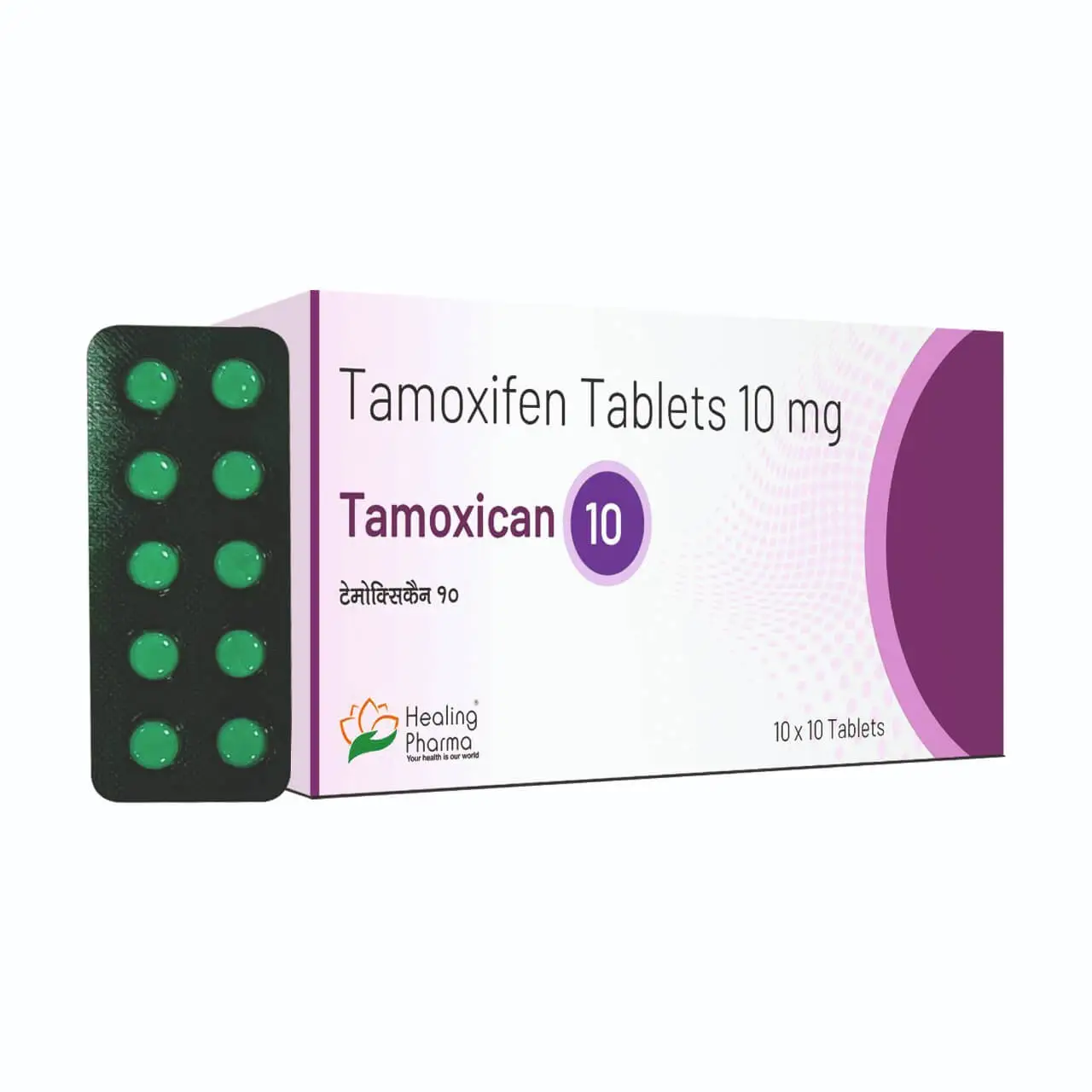
Price range: $24.50 through $57.00
| Active Ingredient | Tamoxifen |
|---|---|
| Manufacturer | Celon Laboratories Ltd |
| Packaging | 10 Tablets in Strip |
| Strength | 10mg |
| Delivery Time | 6 To 15 days |
| SKU: | Tamoxifen 10 Mg (Tamoxifen) |
Tamoxifen 10 Mg: Uses, Dosage, Side Effects & Complete Guide
Breast cancer is one of the most common cancers affecting women worldwide — and navigating its treatment can feel like learning an entirely new language. Hormones, receptors, adjuvant therapy, risk reduction — the terminology alone can be overwhelming. But understanding your medication is one of the most empowering things you can do during your treatment journey.
If Tamoxifen 10 Mg has been prescribed to you or someone you love, this guide is here to help. We will walk through everything you need to know — what Tamoxifen is, how it works, what it treats, how to take it correctly, and what side effects to watch for — all in clear, honest, and genuinely human language.
What Is Tamoxifen 10 Mg?
Tamoxifen 10 Mg is an oral hormonal therapy tablet containing Tamoxifen citrate equivalent to 10 mg of Tamoxifen as its active ingredient. It is one of the most widely prescribed and longest-standing medications in oncology — having been in clinical use for over 50 years and recommended by cancer treatment guidelines worldwide.
Tamoxifen belongs to a class of drugs called Selective Estrogen Receptor Modulators (SERMs). This classification is key to understanding how it works — it selectively interacts with estrogen receptors in different tissues, acting as an estrogen blocker in breast tissue while behaving more like estrogen in other tissues such as bone and the uterus.
Tamoxifen is available in two strengths — 10 mg and 20 mg tablets. The 10 mg tablet offers important dosing flexibility — allowing oncologists to prescribe the standard 20 mg daily dose as two separate 10 mg tablets, or to use lower doses in specific clinical situations such as risk reduction or male breast cancer treatment.
It is manufactured by multiple pharmaceutical companies globally and is listed on the World Health Organization’s List of Essential Medicines — a recognition of its fundamental importance in cancer care worldwide.
Understanding Hormone Receptor-Positive Breast Cancer
Before diving into how Tamoxifen works, it helps to understand what it is fighting.
Not all breast cancers are the same. Approximately 70–80% of breast cancers are hormone receptor-positive (HR+) — meaning the cancer cells have receptors on their surface that respond to the hormones estrogen and/or progesterone. When estrogen binds to these receptors, it acts like fuel — stimulating cancer cell growth and division.
This is where Tamoxifen comes in. By blocking estrogen’s access to these receptors in breast tissue, Tamoxifen effectively cuts off the fuel supply that hormone receptor-positive breast cancer cells depend on to grow.
This is why testing for hormone receptor status — specifically estrogen receptor (ER) and progesterone receptor (PR) status — is one of the first things done when a breast cancer is diagnosed. Tamoxifen works specifically and most effectively in ER-positive (ER+) breast cancer.
How Does Tamoxifen 10 Mg Work?
Tamoxifen’s mechanism is elegantly precise. Here is how it works:
Competitive Estrogen Receptor Binding: Tamoxifen and its active metabolites — particularly Endoxifen (4-hydroxy-N-desmethyl-tamoxifen) and 4-hydroxytamoxifen — bind directly and competitively to estrogen receptors (ERα) on breast cancer cells. Because Tamoxifen occupies these receptors, estrogen cannot bind to them.
Blocking Estrogen-Driven Growth: When estrogen cannot bind to its receptor, the signal that tells cancer cells to grow and divide is never sent. Cancer cells that depend on estrogen stimulation are starved of their growth signal — they stop proliferating and many undergo apoptosis (programmed cell death).
Tissue-Selective Action (SERM Effect): What makes Tamoxifen a SERM rather than a pure estrogen blocker is its tissue-selective behavior:
- In breast tissue — acts as an estrogen antagonist (blocker) — prevents cancer growth
- In bone — acts as an estrogen agonist (mimics estrogen) — helps maintain bone density
- In uterus/endometrium — acts as a weak estrogen agonist — which is why it slightly increases the risk of endometrial changes (discussed in side effects)
- In liver — estrogen-like effects that favorably reduce LDL cholesterol
Endoxifen — The Most Active Metabolite: Tamoxifen is a prodrug — it is metabolized in the liver by the enzyme CYP2D6 into its most active form, Endoxifen. The efficiency of this conversion varies between individuals based on CYP2D6 genetic variants — which is why some patients respond better to Tamoxifen than others, and why certain medications that inhibit CYP2D6 (like some antidepressants) can reduce Tamoxifen’s effectiveness.
What Is Tamoxifen 10 Mg Used For?
1. Adjuvant Treatment of Hormone Receptor-Positive Breast Cancer
This is the primary and most important use of Tamoxifen 10 Mg. Adjuvant therapy means treatment given after primary surgery (and/or radiation) to reduce the risk of cancer recurrence.
Tamoxifen is the standard of care adjuvant hormonal therapy for:
- Premenopausal women with ER-positive early breast cancer — Tamoxifen remains the first-choice hormonal therapy due to its proven efficacy in this group
- Postmenopausal women — when aromatase inhibitors are not tolerated or contraindicated
- Men with breast cancer — Tamoxifen is the primary hormonal therapy option for male breast cancer
The landmark Early Breast Cancer Trialists’ Collaborative Group (EBCTCG) meta-analysis demonstrated that 5 years of Tamoxifen therapy reduces the annual breast cancer recurrence rate by approximately 39% and the annual breast cancer mortality rate by 30% in ER-positive patients. Extended therapy of 10 years (studied in the ATLAS and aTTom trials) provides even greater reduction in late recurrence.
2. Treatment of Metastatic Breast Cancer
Tamoxifen is used as a hormonal treatment option for advanced or metastatic ER-positive breast cancer — where the cancer has spread beyond the breast. While not curative in this setting, it can achieve meaningful disease control and improve quality of life.
3. Breast Cancer Risk Reduction (Chemoprevention)
Tamoxifen is approved for reducing the risk of developing breast cancer in:
- High-risk women — those with a strong family history, BRCA gene mutations, or prior atypical breast biopsies
- Women with ductal carcinoma in situ (DCIS) — to reduce risk of invasive cancer development
- The NSABP P-1 (Breast Cancer Prevention Trial) demonstrated that Tamoxifen reduced the incidence of invasive breast cancer by 49% in high-risk women
4. Neoadjuvant Therapy
In some clinical settings — particularly for elderly patients or those unsuitable for immediate surgery — Tamoxifen is used as neoadjuvant (pre-surgery) therapy to shrink ER-positive tumors before surgical removal.
5. Gynecomastia (Male Breast Tissue Enlargement)
Tamoxifen is used off-label for gynecomastia — painful or embarrassing breast tissue enlargement in men — particularly when caused by anabolic steroid use or certain medications.
6. McCune-Albright Syndrome
In pediatric patients, Tamoxifen is used for managing precocious puberty associated with McCune-Albright syndrome — a rare genetic condition causing early sexual development.
Tamoxifen 10 Mg Dosage Guide
Standard Adult Doses:
| Indication | Dose | Duration |
|---|---|---|
| Adjuvant breast cancer (premenopausal) | 20 mg once daily (two 10 mg tablets) | 5–10 years |
| Adjuvant breast cancer (postmenopausal) | 20 mg once daily | 5 years (or switch to AI after 2–3 years) |
| Metastatic breast cancer | 20–40 mg daily | Until progression or intolerance |
| Breast cancer risk reduction | 20 mg once daily | 5 years |
| DCIS | 20 mg once daily | 5 years |
| Male breast cancer | 20 mg once daily | As per oncologist |
| Gynecomastia (off-label) | 10–20 mg daily | As directed |
How to Take Tamoxifen 10 Mg:
- Take with or without food — both are acceptable; consistency is more important than timing with meals
- Take at the same time every day — maintaining consistent blood levels maximizes effectiveness
- Swallow tablets whole with a glass of water
- Taking at bedtime can help some patients manage side effects like hot flashes during sleeping hours
- Never skip doses — consistent daily intake is essential for hormonal therapy to work
- If you miss a dose, take it as soon as you remember on the same day; if the next day has arrived, skip and continue your normal schedule — never double up
- Store at room temperature away from moisture, heat, and direct sunlight
Duration of Treatment:
This deserves special emphasis. Tamoxifen is not a short-course medication.
- Minimum standard duration: 5 years
- Extended therapy: 10 years — recommended for premenopausal women and high-risk patients based on ATLAS and aTTom trial data showing significant additional reduction in late recurrence
Studies consistently show that early discontinuation of Tamoxifen significantly increases the risk of breast cancer recurrence. This is one of the most important adherence messages in all of oncology.
Common Side Effects of Tamoxifen 10 Mg
Tamoxifen’s side effects arise from its mixed estrogen agonist/antagonist activity across different tissues. Understanding them helps you prepare and manage them proactively.
Very Common Side Effects:
1. Hot Flashes and Night Sweats The most frequently reported side effect — affecting up to 80% of patients. These are caused by Tamoxifen’s anti-estrogen effects, which disrupt the body’s temperature regulation. They range from mildly uncomfortable to significantly disruptive.
Management tips:
- Wear breathable, layered clothing
- Keep the bedroom cool at night
- Avoid triggers — caffeine, alcohol, spicy food, stress
- Discuss non-hormonal prescription options with your doctor (e.g., Venlafaxine, Gabapentin) if severe
- Note: Hormonal replacement therapy (HRT) to treat hot flashes is generally contraindicated in breast cancer patients
2. Vaginal Changes
- Vaginal dryness, itching, or discharge
- Reduced sexual lubrication
- Vaginal bleeding (requires immediate medical evaluation — see serious side effects)
Management:
- Non-hormonal vaginal moisturizers and lubricants (e.g., Replens, K-Y) are safe and effective
- Discuss with your oncologist before using any vaginal estrogen products
3. Mood Changes
- Irritability, mood swings, mild depression
- Often related to the menopausal-like state induced by Tamoxifen
4. Fatigue
- General tiredness — common with hormonal therapy
5. Nausea
- Usually mild; taking Tamoxifen with food or at bedtime helps
6. Weight Changes
- Mild weight gain is commonly reported
7. Hair Thinning
- Mild hair thinning or texture changes — generally not severe
8. Leg Cramps
- Particularly at night; staying well hydrated and gentle stretching can help
Serious Side Effects (Seek Medical Attention Immediately):
- Blood Clots (Deep Vein Thrombosis / Pulmonary Embolism) — Tamoxifen increases the risk of blood clots due to its pro-coagulant effects on the liver. Symptoms: leg pain, swelling, redness (DVT) or sudden chest pain, shortness of breath (PE). Seek emergency care immediately
- Endometrial Cancer — Tamoxifen’s weak estrogen-like effect on the uterus slightly increases the risk of endometrial (uterine) cancer with long-term use. Report any abnormal vaginal bleeding to your doctor immediately — especially in postmenopausal women. Annual gynecological follow-up is essential
- Stroke / Transient Ischemic Attack (TIA) — slightly increased risk; report sudden headache, speech difficulties, facial drooping, arm weakness, or vision changes immediately
- Ocular toxicity — rare but includes cataracts, retinopathy, and corneal changes; report any new visual disturbances; annual eye examination recommended
- Liver toxicity — rare; jaundice, dark urine, severe fatigue, right-sided abdominal pain; monitor liver function periodically
- Severe allergic reaction — rash with blistering, facial swelling, difficulty breathing
⚠️ Any abnormal vaginal bleeding, leg swelling, chest pain, or sudden neurological symptoms during Tamoxifen therapy require immediate medical evaluation. Do not wait.
Who Should NOT Take Tamoxifen 10 Mg?
- Patients with known hypersensitivity to Tamoxifen or any tablet component
- Patients with a personal history of blood clots (DVT or PE) — significantly increased risk
- Patients with a history of stroke or TIA
- Patients taking anticoagulants like Warfarin — Tamoxifen significantly increases Warfarin effect; INR must be closely monitored if use is unavoidable
- Pregnant women — Tamoxifen is teratogenic (causes fetal harm); highly effective non-hormonal contraception is mandatory during treatment and for at least 9 months after the last dose
- Breastfeeding women — must stop breastfeeding before starting Tamoxifen
- Patients whose tumors are estrogen receptor-negative (ER-) — Tamoxifen will not be effective
- Patients concurrently taking potent CYP2D6 inhibitors (certain antidepressants — see drug interactions) — may significantly reduce Tamoxifen’s effectiveness
Important Drug Interactions With Tamoxifen 10 Mg
| Drug / Category | Interaction | Recommendation |
|---|---|---|
| Warfarin / Anticoagulants | Significantly increases anticoagulant effect — bleeding risk | Avoid if possible; if necessary, monitor INR very closely |
| Potent CYP2D6 inhibitors — Paroxetine, Fluoxetine | Reduce conversion of Tamoxifen to active Endoxifen — reduced efficacy | Avoid; switch to alternative antidepressants (Venlafaxine, Citalopram, Escitalopram) |
| Moderate CYP2D6 inhibitors — Duloxetine, Bupropion | Partially reduce Endoxifen levels | Use with caution; prefer alternatives |
| Rifampicin | Significantly reduces Tamoxifen levels | Avoid combination |
| Aminoglutethimide | Reduces Tamoxifen plasma levels | Avoid combination |
| Aromatase inhibitors (Anastrozole, Letrozole) | Concurrent use reduces effectiveness of aromatase inhibitors | Use sequentially, not concurrently |
| Oral contraceptives / Hormonal therapy | May interfere with Tamoxifen’s hormonal action | Use non-hormonal contraception during treatment |
| St. John’s Wort | Reduces Tamoxifen blood levels | Avoid — use alternative herbal anxiety support |
| Cytotoxic chemotherapy | Increased risk of thromboembolic events | Monitor closely; consider prophylactic anticoagulation |
| Live vaccines | If on immunosuppressants concurrently | Discuss with oncologist |
📌 The antidepressant interaction is particularly important — many breast cancer patients experience depression and anxiety and are prescribed antidepressants. Always tell your oncologist about every medication you take, including antidepressants, before starting Tamoxifen.
Important Precautions During Tamoxifen 10 Mg Treatment
1. Gynecological Monitoring All women taking Tamoxifen should have annual gynecological examinations — including pelvic examination and investigation of any abnormal vaginal bleeding. Endometrial surveillance (ultrasound or biopsy) is recommended if bleeding occurs.
2. CYP2D6 Testing In some centers, CYP2D6 genotyping is offered before starting Tamoxifen. Poor metabolizers — those with reduced CYP2D6 activity — produce less active Endoxifen and may benefit from switching to an aromatase inhibitor (in postmenopausal women) or dose adjustment. Discuss this with your oncologist.
3. Contraception Tamoxifen is teratogenic — it can cause fetal harm. Despite the fact that Tamoxifen is an anti-estrogen, it does not reliably prevent ovulation and should not be relied upon as contraception. Use non-hormonal contraception (barrier methods, IUD) throughout treatment and for at least 9 months after stopping.
4. Bone Health In premenopausal women, Tamoxifen’s estrogen-like effect on bone helps maintain bone density — a benefit over aromatase inhibitors, which reduce bone density. However, in postmenopausal women, the picture is more complex — discuss bone health monitoring with your oncologist.
5. Cardiovascular Health Tamoxifen favorably reduces LDL (bad) cholesterol — a cardiovascular benefit. However, it increases the risk of blood clots and stroke. Patients with existing cardiovascular risk factors require careful monitoring and may need additional preventive measures.
6. Eye Health Tamoxifen has been associated with ocular side effects including cataracts and retinal changes, particularly with long-term use. An annual ophthalmological examination is recommended for patients on long-term therapy.
7. Adherence — The Most Important Precaution of All Studies consistently show that 20–50% of breast cancer patients discontinue Tamoxifen early — most commonly due to side effects. This is one of the most significant drivers of breast cancer recurrence. If you are struggling with side effects, talk to your oncologist — most can be managed. Do not stop Tamoxifen without medical guidance. The risk of stopping early is real and well-documented.
Tamoxifen 10 Mg vs. Aromatase Inhibitors: Understanding Your Options
Many patients — particularly postmenopausal women — are offered a choice between Tamoxifen and aromatase inhibitors (AIs) such as Anastrozole, Letrozole, or Exemestane. Here’s how they compare:
| Feature | Tamoxifen 10/20 Mg | Aromatase Inhibitors (AIs) |
|---|---|---|
| Mechanism | Blocks estrogen receptors (SERM) | Reduces estrogen production |
| Best for | Premenopausal women; all ages | Postmenopausal women primarily |
| Bone density effect | Protective (premenopause) | Reduces bone density |
| Hot flashes | Common | Common |
| Blood clot risk | Increased | Minimal |
| Endometrial cancer risk | Small increase | No increase |
| Joint pain | Less common | Very common |
| Vaginal dryness | Moderate | More severe |
| Duration | 5–10 years | 5 years (sometimes extended) |
| Cost | Very affordable | Moderate |
The choice between Tamoxifen and AIs depends on menopausal status, individual risk factors, tolerability, and specific clinical guidelines. Many premenopausal women start on Tamoxifen and may switch to an AI after menopause or ovarian suppression.
Frequently Asked Questions About Tamoxifen 10 Mg
Q: Can I take Tamoxifen 10 Mg if I am premenopausal?
Yes — Tamoxifen is actually the preferred hormonal therapy for premenopausal women with ER-positive breast cancer. Unlike aromatase inhibitors, which require very low estrogen levels (postmenopausal state) to work effectively, Tamoxifen works independently of estrogen levels — making it suitable for premenopausal women whose ovaries are still producing estrogen.
Q: How long do I need to take Tamoxifen?
The minimum recommended duration is 5 years. For many premenopausal women and high-risk patients, extending to 10 years is now recommended based on strong clinical trial evidence (ATLAS and aTTom trials) showing significantly lower rates of late recurrence and breast cancer death with 10 years of therapy.
Q: Can I get pregnant while taking Tamoxifen?
Pregnancy during Tamoxifen treatment is strongly contraindicated — Tamoxifen is teratogenic and can cause serious fetal harm. However, if you wish to have children after breast cancer treatment, stopping Tamoxifen temporarily to attempt pregnancy may be possible in select cases. The POSITIVE trial has provided important data on pregnancy after Tamoxifen interruption. Discuss this very carefully with your oncologist and do not stop Tamoxifen without specialist guidance.
Q: Does Tamoxifen cause weight gain?
Mild weight changes are commonly reported during Tamoxifen therapy. However, large-scale studies have not confirmed significant weight gain directly attributable to Tamoxifen — factors like reduced activity, menopause-related metabolic changes, and the overall cancer treatment experience contribute more significantly. Maintaining a healthy diet and regular physical activity during treatment is strongly encouraged.
Q: What should I do about hot flashes on Tamoxifen?
Hot flashes are the most common side effect but can be managed. Lifestyle measures include cool environments, breathable clothing, avoiding triggers, and stress management. For moderate-to-severe hot flashes, non-hormonal medications like Venlafaxine (Effexor), Gabapentin, or Clonidine can provide significant relief. Importantly, certain antidepressants — particularly Paroxetine and Fluoxetine — should be avoided as they reduce Tamoxifen’s effectiveness. Always discuss hot flash management with your oncologist before starting any new medication.
Disclaimer:-
This article is for informational and educational purposes only and does not constitute medical advice, diagnosis, or treatment recommendation. Always consult a qualified oncologist, breast cancer specialist, or healthcare professional before starting, stopping, or modifying any cancer treatment, including Tamoxifen 10 Mg.
Additional information
| unit | 300 Tablet, 90 Tablet, 120 Tablet, 150 Tablet |
|---|








Reviews
There are no reviews yet.