
Temonat 20 Mg (Temozolomide)

Price range: $90.00 through $335.00
| Active Ingredient | Temozolomide |
|---|---|
| Manufacturer | Natco Pharma Ltd. |
| Packaging | 5 capsules in 1 strip |
| Strength | 20mg, 100mg, 250mg |
| Delivery Time | 6 To 15 days |
| SKU: | Temonat (Temozolomide) – 20 Mg |
Temonat 20 Mg (Temozolomide): Uses, Dosage, Side Effects & Complete Guide
A brain tumor diagnosis is one of the most frightening things a person can hear. The uncertainty, the complexity of treatment, and the emotional weight of it all can feel overwhelming. But modern oncology has come a long way — and for patients with certain brain tumors, Temonat 20 Mg (Temozolomide) represents one of the most important and proven treatment options available today.
Whether you are a patient, a caregiver, or someone simply trying to understand this medication better, this guide is written for you. We will walk through everything — what Temonat 20 Mg is, how it works, what it treats, how it is dosed, what side effects to expect, and how to take it as safely as possible — in clear, honest, and human language.
What Is Temonat 20 Mg (Temozolomide)?
Temonat 20 Mg is an oral chemotherapy capsule containing Temozolomide 20 mg as its active ingredient. It is manufactured by Natco Pharma Ltd. — a well-regarded Indian pharmaceutical company with a strong oncology portfolio — and is widely prescribed as a cost-effective generic alternative to the originator brand Temodal/Temodar.
Temozolomide belongs to a class of chemotherapy drugs called alkylating agents — specifically an imidazotetrazine derivative that works by damaging the DNA of cancer cells, preventing them from dividing and growing.
What makes Temonat 20 Mg particularly important is its ability to cross the blood-brain barrier — one of the most challenging obstacles in treating brain tumors. Many chemotherapy drugs cannot penetrate this protective barrier effectively. Temozolomide does — and this property is what makes it uniquely valuable in neuro-oncology.
Temonat is available in multiple strengths — 5 mg, 20 mg, 100 mg, 140 mg, 180 mg, and 250 mg — allowing oncologists to precisely tailor the dose to each patient’s body surface area and treatment protocol. The 20 mg capsule is particularly important for fine-tuning doses in combination regimens.
Understanding Temozolomide: The Science Behind It
Temozolomide was developed in the 1980s and emerged from research into triazine compounds with anticancer properties. It received FDA approval for brain tumor treatment in 1999 for recurrent anaplastic astrocytoma and later in 2005 for newly diagnosed glioblastoma multiforme — approvals that were landmark moments in neuro-oncology.
The drug is classified as a prodrug — meaning it is chemically inactive when first taken but undergoes spontaneous conversion in the body (particularly at physiological pH) to its active form: MTIC (5-(3-methyltriazen-1-yl)imidazole-4-carboxamide). MTIC then further breaks down to the ultimate active methylating agent that damages tumor cell DNA.
How Does Temonat 20 Mg (Temozolomide) Work?
Here is the science in plain language:
Every cell — including cancer cells — needs to replicate its DNA in order to divide and multiply. Temonat 20 Mg works by adding methyl groups to specific positions on the DNA strands of cancer cells — particularly at the O6 position of guanine, a key DNA building block.
This methylation causes DNA mismatches and strand breaks during the replication process. When cancer cells attempt to divide, their damaged DNA triggers a cascade of cellular signals that ultimately leads to apoptosis (programmed cell death) — the cancer cell essentially destroys itself.
The MGMT Factor — Why It Matters
There is an important molecular factor that determines how well Temozolomide works in a specific patient: MGMT (O6-methylguanine-DNA methyltransferase) — a DNA repair enzyme.
Some tumor cells produce high levels of MGMT, which actively repairs the DNA damage that Temozolomide causes — effectively counteracting the drug’s effect. Tumors with a methylated MGMT promoter (meaning the MGMT gene is silenced) cannot produce this repair enzyme and are therefore significantly more sensitive to Temozolomide.
Before starting treatment, your oncologist may test for MGMT promoter methylation status — a biomarker that helps predict how well your tumor will respond to Temonat therapy. Patients with MGMT-methylated glioblastoma show dramatically better outcomes with Temozolomide-based treatment compared to those with unmethylated tumors.
What Is Temonat 20 Mg (Temozolomide) Used For?
1. Glioblastoma Multiforme (GBM) — Newly Diagnosed
This is the most important and widely recognized use of Temonat 20 Mg (Temozolomide). Glioblastoma multiforme is the most aggressive and most common primary malignant brain tumor in adults — and Temozolomide is the standard of care in its treatment.
The Stupp Protocol — the globally accepted standard treatment for newly diagnosed GBM — involves:
- Concurrent phase: Temozolomide given daily (75 mg/m²/day) alongside radiotherapy for 6 weeks
- Adjuvant phase: Temozolomide given for 5 days out of every 28 days (150–200 mg/m²/day) for 6 cycles after completing radiation
The landmark EORTC/NCIC clinical trial by Stupp et al. (2005) demonstrated that adding Temozolomide to radiotherapy significantly improved median overall survival from 12.1 months (radiotherapy alone) to 14.6 months — with a remarkable improvement in the 2-year survival rate from 10.4% to 26.5%. While these numbers may appear modest, in the context of GBM — one of the most treatment-resistant cancers — this was a landmark breakthrough.
2. Anaplastic Astrocytoma — Recurrent
Temonat 20 Mg is approved for the treatment of recurrent anaplastic astrocytoma — a grade III malignant brain tumor — in patients whose disease has returned after standard first-line therapy.
3. Other High-Grade Gliomas
Temozolomide is also used — often off-label or as part of clinical protocols — for:
- Anaplastic oligodendroglioma
- Anaplastic oligoastrocytoma
- High-grade gliomas that have progressed after first-line treatment
- Diffuse intrinsic pontine glioma (DIPG) in pediatric patients — investigational
4. Metastatic Melanoma (Second-Line)
In some countries and clinical settings, Temozolomide is used for metastatic melanoma — particularly when it has spread to the brain — as it crosses the blood-brain barrier where other melanoma drugs cannot reach.
5. Neuroendocrine Tumors (NETs)
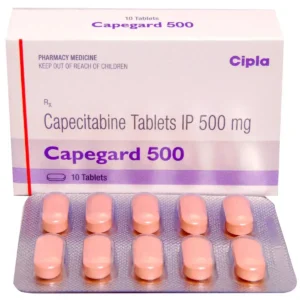
Temozolomide — often in combination with Capecitabine (CAPTEM regimen) — has demonstrated activity in pancreatic neuroendocrine tumors (pNETs) and other well-differentiated neuroendocrine tumors. This use is supported by multiple clinical studies.
6. Other CNS Tumors (Investigational/Compassionate Use)
- Ependymoma
- Medulloblastoma (in recurrent settings)
- Primary CNS lymphoma (in combination protocols)
- Brain metastases from other primaries in specific situations
Temonat 20 Mg Dosage Guide
Temozolomide dosing is based on body surface area (BSA) — calculated from your height and weight. The 20 mg capsule strength is particularly valuable for achieving precise doses when combined with other available strengths.
Standard Dosing Protocols:
| Indication | Dose | Schedule | Duration |
|---|---|---|---|
| GBM — Concurrent with RT | 75 mg/m²/day | Daily (7 days/week) | 42 days (6 weeks) |
| GBM — Adjuvant (Cycle 1) | 150 mg/m²/day | Days 1–5 of 28-day cycle | 1 cycle |
| GBM — Adjuvant (Cycles 2–6) | 200 mg/m²/day (if tolerated) | Days 1–5 of 28-day cycle | Up to 6 cycles |
| Recurrent Anaplastic Astrocytoma | 150–200 mg/m²/day | Days 1–5 of 28-day cycle | Until progression |
Available Capsule Strengths and Combination:
Because precise dosing is essential, Temonat comes in multiple strengths. A typical dose might combine several capsule sizes. For example:
- A patient requiring 140 mg per dose would take: one 100 mg + two 20 mg capsules
- A patient requiring 260 mg per dose would take: one 250 mg + one 20 mg capsule — or other combinations
This is why the 20 mg capsule is so important — it fills the precise dosing gap that other strengths cannot achieve alone.
How to Take Temonat 20 Mg:
- Take on an empty stomach — at least 1 hour before or 2 hours after a meal; food reduces absorption
- Swallow capsules whole — do not open, crush, or chew; the contents are cytotoxic and harmful if inhaled or touched directly
- Take all capsules for one dose at the same time
- Take at bedtime if possible — this helps minimize nausea while sleeping
- Take with a full glass of water
- Anti-nausea medication (antiemetic) is routinely prescribed — take it as directed before your Temonat dose
- If vomiting occurs after taking the dose, do not take a replacement dose that day — contact your oncology team
- Caregivers must wear gloves when handling Temonat capsules — this is a cytotoxic chemotherapy agent
Missed Dose:
- Contact your oncologist immediately if you miss a dose
- Do not double up the next day without medical guidance
- Do not take a missed dose on a different day — it disrupts the treatment cycle
Pneumocystis jirovecii Pneumonia (PCP) Prophylaxis
This is a critical safety point that every Temonat patient must know.
During the concurrent phase (Temozolomide + radiation), patients must take PCP prophylaxis — an antibiotic to prevent a type of pneumonia called Pneumocystis jirovecii pneumonia (formerly called PCP or Pneumocystis carinii pneumonia). This is because Temozolomide combined with steroids (commonly given to reduce brain swelling) significantly suppresses the immune system.
The standard prophylaxis is Co-trimoxazole (Trimethoprim-Sulfamethoxazole) — taken throughout the concurrent phase and continued until recovery of lymphocyte counts.
⚠️ Never skip PCP prophylaxis during the concurrent phase. PCP pneumonia in an immunocompromised patient can be life-threatening.
Common Side Effects of Temonat 20 Mg (Temozolomide)
Understanding what side effects to expect — and how to manage them — is one of the most important things you can do to prepare for Temozolomide treatment.
Very Common Side Effects:
1. Nausea and Vomiting This is the most commonly reported side effect of Temonat. It is typically most pronounced on treatment days and often manageable with modern antiemetic medications. Taking Temozolomide at bedtime, with a prescribed antiemetic taken beforehand, significantly reduces the impact.
2. Myelosuppression (Bone Marrow Suppression) Temozolomide suppresses bone marrow activity, leading to:
- Lymphocytopenia — low lymphocyte count; most common and most significant immune effect
- Thrombocytopenia — low platelets; increased bleeding and bruising risk; typically nadir at Day 21–28
- Neutropenia — low neutrophils; increased infection risk
- Anemia — low red blood cells; fatigue, breathlessness, pallor
Blood counts must be monitored regularly throughout treatment — this is non-negotiable.
3. Fatigue Deep, persistent tiredness is very common — compounded by the underlying brain tumor, radiation therapy, and steroid use. Pacing activities and maintaining good nutrition and sleep hygiene can help.
4. Headache Both the brain tumor and the treatment can contribute to headaches. Report any new, severe, or changing headache patterns to your oncologist immediately.
5. Constipation Common — particularly with antiemetic use (especially 5-HT3 antagonists like Ondansetron). Adequate hydration, dietary fiber, and stool softeners can help.
6. Loss of Appetite Reduced appetite is very common during treatment. Working with a clinical dietitian to maintain adequate nutrition is important.
Moderate Side Effects:
- Diarrhea
- Dizziness
- Skin rash or itching
- Hair loss (alopecia) — generally mild with Temozolomide compared to other chemotherapy agents
- Fever
- Mouth sores (mucositis)
- Cognitive changes — difficulty concentrating or memory issues (also related to the brain tumor and radiation)
- Elevated liver enzymes (hepatotoxicity) — monitor liver function regularly
Serious Side Effects (Contact Your Oncologist Immediately):
- Febrile neutropenia — fever ≥ 38°C with low white blood cell count; a medical emergency; go to the emergency department immediately
- Severe thrombocytopenia with bleeding — unusual bleeding, blood in urine or stool, severe bruising
- Severe lymphocytopenia — significantly increased risk of opportunistic infections including PCP
- Opportunistic infections — PCP pneumonia (breathlessness, dry cough, fever), CMV, fungal infections
- Severe hepatotoxicity — jaundice, dark urine, extreme fatigue, right upper abdominal pain
- Aplastic anemia — rare but serious bone marrow failure; some fatal cases have been reported
- Myelodysplastic syndrome (MDS) / Secondary leukemia — rare long-term risk with alkylating agents
- Severe allergic reaction — rash with blistering, throat swelling, difficulty breathing
⚠️ Fever during chemotherapy is always a medical emergency. Do not wait — go to the nearest emergency department immediately.
Who Should NOT Take Temonat 20 Mg?
- Patients with known hypersensitivity to Temozolomide, Dacarbazine (DTIC), or any capsule component
- Patients with severe myelosuppression — very low blood counts not attributable to the cancer itself
- Patients with severe hepatic impairment — limited data; use with caution under specialist supervision
- Pregnant women — Temozolomide is teratogenic and embryotoxic; it must not be used during pregnancy; highly effective contraception is mandatory
- Breastfeeding women — must stop breastfeeding before starting Temonat; Temozolomide may be excreted into breast milk
- Patients unwilling or unable to comply with regular blood count monitoring — monitoring is essential for safe use
Important Drug Interactions With Temonat 20 Mg
| Drug | Interaction | Recommendation |
|---|---|---|
| Valproic acid (Valproate) | Decreases Temozolomide clearance — increases exposure and toxicity | Monitor closely; dose adjustment may be needed |
| Carbamazepine / Phenytoin | May reduce Temozolomide efficacy | Monitor; discuss anticonvulsant choice with neurologist |
| Dexamethasone (steroids) | Used intentionally alongside Temonat for cerebral edema | Monitor blood sugar and infection risk |
| Co-trimoxazole (PCP prophylaxis) | Used intentionally alongside Temonat | Essential during concurrent phase |
| Other myelosuppressive agents | Additive bone marrow suppression | Use with caution; monitor counts closely |
| Live vaccines | Risk of serious infection in immunocompromised state | Avoid during and shortly after treatment |
| Cimetidine | May reduce Temozolomide clearance slightly | Monitor; use alternative antacid if possible |
| Ondansetron (antiemetic) | No significant pharmacokinetic interaction; used together routinely | Safe combination |
Important Precautions During Temonat Treatment
1. Blood Count Monitoring A full blood count (CBC) must be performed:
- Before starting each treatment cycle
- On Day 22 of each cycle (nadir monitoring)
- Weekly during the concurrent phase
Never start a new cycle if blood counts have not adequately recovered. Never skip monitoring tests.
2. Antiemetic Protocol Work with your oncology team to establish an effective antiemetic regimen before your first dose. Modern antiemetics — particularly 5-HT3 antagonists (Ondansetron, Granisetron) and NK1 receptor antagonists (Aprepitant) — are highly effective at controlling Temozolomide-related nausea.
3. Fertility Preservation Temozolomide can cause permanent infertility in both men and women. If fertility preservation matters to you, discuss sperm banking or egg/embryo freezing with your oncologist before starting treatment — not after.
4. Contraception Both male and female patients must use highly effective contraception during treatment:
- Women: throughout treatment and for at least 6 months after the last dose
- Men: throughout treatment and for at least 3 months after the last dose
5. Handling and Disposal Temonat capsules are cytotoxic. Caregivers should:
- Wear disposable gloves when handling capsules
- Never open or crush capsules
- Wash hands thoroughly before and after handling
- Dispose of unused capsules as directed by the pharmacy or hospital
6. Steroid Management Many GBM patients take dexamethasone alongside Temonat to manage cerebral edema. Steroids further suppress the immune system and increase blood sugar. Monitor blood glucose and taper steroids as soon as clinically safe.
Frequently Asked Questions About Temonat 20 Mg (Temozolomide)
Q: Why is the 20 mg strength specifically important?
Temozolomide dosing is calculated based on body surface area — meaning every patient’s dose is slightly different. The 20 mg capsule allows oncologists to achieve precise, individualized doses by combining different capsule strengths. Without the 20 mg capsule, exact dosing would not be possible for many patients.
Q: Can Temonat 20 Mg be taken with food?
No — Temonat should be taken on an empty stomach, at least 1 hour before or 2 hours after eating. Food reduces the rate and extent of Temozolomide absorption, potentially reducing its effectiveness.
Q: What is the Stupp Protocol and why does it matter?
The Stupp Protocol is the internationally accepted standard of care for newly diagnosed glioblastoma multiforme. It combines Temozolomide (concurrent daily dosing during radiation, followed by adjuvant 5-day cycles) with radiotherapy. Published in the New England Journal of Medicine in 2005, it was the first regimen to demonstrate a significant survival benefit in GBM and remains the foundation of GBM treatment worldwide.
Q: What is MGMT methylation and why should I care?
MGMT methylation is a molecular biomarker that predicts how well your glioblastoma will respond to Temozolomide. Tumors with a methylated MGMT promoter cannot repair the DNA damage Temonat causes, making them much more sensitive to treatment. Patients with MGMT-methylated GBM have significantly better outcomes — including longer survival — with Temozolomide-based treatment.
Q: Will my hair fall out during Temonat treatment?
Hair loss with Temozolomide alone is generally mild compared to other chemotherapy agents. However, the concurrent radiation therapy to the brain can cause hair loss in the radiation field. Complete scalp hair loss — as seen with some other chemotherapy drugs — is less common with Temozolomide monotherapy.
Disclaimer:-
This article is for informational and educational purposes only and does not constitute medical advice, diagnosis, or treatment recommendation. Always consult a qualified oncologist or neuro-oncologist before starting, stopping, or modifying any cancer treatment, including Temonat 20 Mg (Temozolomide).
Additional information
| mg | 100 Mg, 20 Mg, 250 Mg |
|---|---|
| unit | 5 Capsule, 10 Capsules, 15 Capsule |




Reviews
There are no reviews yet.