
Anti-Viral Medicines: Understanding Treatment Options for Viral Infections:-
Category Overview:-
Anti-viral medicines represent a specialized group of medications designed to combat infections caused by viruses. Unlike antibiotics, which target bacteria, anti-viral drugs work specifically against viral pathogens that can affect various parts of the body. Healthcare professionals prescribe these medicines when the body’s natural immune response needs support in fighting viral infections, or when preventing viral diseases in at-risk individuals becomes medically necessary.
Doctors commonly recommend anti-viral treatments for conditions ranging from seasonal influenza to chronic viral infections requiring long-term management. These medicines play a vital role in modern healthcare by reducing symptom severity, shortening illness duration, and, in some cases, preventing serious complications that viral infections can cause.
Conditions Treated:-
Anti-viral medicines address a wide spectrum of viral infections affecting different body systems:
Respiratory Viral Infections: These medicines may be prescribed for influenza and other respiratory viruses that cause breathing difficulties, fever, and systemic symptoms.
Herpes Virus Infections: Various herpes virus types affecting the skin, mucous membranes, or other tissues may require anti-viral intervention.
Chronic Viral Hepatitis: Long-term liver infections caused by specific viruses often need sustained anti-viral treatment to prevent liver damage.
HIV/AIDS: Human immunodeficiency virus requires specialized anti-viral medications to manage viral load and preserve immune function.
Other Viral Conditions: Healthcare providers may prescribe anti-virals for chickenpox, shingles, viral eye infections, and other conditions caused by identified viral pathogens.
The decision to use anti-viral medicines depends on the specific virus involved, infection severity, patient health status, and timing of treatment initiation.
Types of Medicines in This Category:-
Anti-viral medicines come in various formulations and treatment approaches:
Oral Tablets and Capsules: The most common form for systemic viral infections, taken by mouth according to prescribed schedules.
Topical Creams and Ointments: Applied directly to affected skin or mucous membranes for localized viral infections.
Intravenous Infusions: Reserved for severe infections or situations where oral administration isn’t suitable, administered in clinical settings.
Ophthalmic Preparations: Eye drops or ointments specifically formulated for viral eye infections.
Inhalation Formulations: Certain respiratory viral infections may be treated with inhaled anti-viral medications.
Preventive vs. Treatment Formulations: Some anti-virals are used to prevent infection in exposed individuals, while others treat active infections.
Short-Course vs. Long-Term Therapy: Acute viral infections typically require brief treatment courses, whereas chronic viral conditions need ongoing medication management.
The appropriate formulation depends on the infection location, virus type, and individual patient factors that your healthcare provider will evaluate.
How These Medicines Work?
Anti-viral medicines employ different mechanisms to combat viral infections, though all aim to interrupt the viral life cycle:
Most anti-viral drugs work by interfering with the virus’s ability to reproduce and spread throughout the body. Viruses require living cells to multiply, and these medicines target specific steps in this reproduction process. Some anti-virals prevent viruses from entering healthy cells, while others stop viral replication once inside cells, or prevent newly formed virus particles from leaving infected cells to spread further.
Unlike antibiotics that kill bacteria directly, anti-viral medicines typically slow or halt viral reproduction, giving the body’s immune system time to eliminate the infection naturally. This is why early treatment often proves more effective—the medicine can limit viral spread before extensive infection occurs.
For chronic viral infections, anti-viral medicines work to suppress viral activity long-term, maintaining viral levels at low or undetectable amounts, which protects organ function and reduces transmission risks.
Who May Benefit From This Category?
Healthcare providers may prescribe anti-viral medicines for various patient groups:
Individuals with Active Viral Infections: People diagnosed with specific viral infections may receive anti-virals to reduce symptom severity and duration.
Immunocompromised Patients: Those with weakened immune systems face higher risks from viral infections and may need anti-viral protection.
Chronic Viral Infection Management: Patients living with long-term viral conditions require sustained anti-viral therapy to maintain health.
High-Risk Exposure Cases: Individuals exposed to certain viruses may receive preventive anti-viral treatment.
Elderly or Medically Vulnerable Persons: Older adults or those with underlying health conditions may benefit from anti-viral intervention to prevent complications.
Pregnant Women (Select Cases): Certain viral infections during pregnancy may require anti-viral treatment to protect maternal and fetal health.
Eligibility for anti-viral treatment depends on accurate viral diagnosis, timing of infection, individual health factors, and potential benefits versus risks. Only qualified healthcare professionals can determine if anti-viral therapy is appropriate for your specific situation.
Important Safety Information:-
Anti-viral medicines require careful medical supervision for several important reasons:
Medical Evaluation Necessity: Proper viral diagnosis is essential before starting anti-viral treatment, as these medicines work only against specific viruses and have no effect on bacterial infections or other conditions.
Resistance Concerns: Inappropriate or incomplete anti-viral treatment can contribute to drug-resistant viral strains, making future infections harder to treat.
Drug Interactions: Many anti-viral medicines interact with other medications, including common prescriptions, supplements, and over-the-counter drugs. Complete medication disclosure to your healthcare provider is crucial.
Organ Function Considerations: Some anti-virals require dose adjustments in patients with kidney or liver problems, as these organs process and eliminate the medication.
Pregnancy and Breastfeeding: Anti-viral safety during pregnancy varies by medication and must be carefully evaluated by healthcare providers, weighing potential benefits against risks.
Special Populations: Children, elderly patients, and those with multiple health conditions may need modified treatment approaches or enhanced monitoring.
Allergic Reactions: Like all medicines, anti-virals can cause allergic reactions ranging from mild to severe. Previous allergic responses to medications should always be reported.
Never start, stop, or modify anti-viral treatment without professional medical guidance, as timing and consistency are often critical to treatment success.
Usage Guidance (General):-
Anti-viral medicine administration requires strict adherence to medical instructions:
Individual Prescribing: Dosage, frequency, and treatment duration vary significantly based on the specific virus, infection severity, patient age, weight, kidney and liver function, and other medications being taken.
Timing Importance: Many anti-viral treatments work best when started early in the infection course. Taking medicines at prescribed times maintains effective drug levels in the body.
Complete Course Completion: Finishing the entire prescribed course, even when symptoms improve, helps ensure the viral infection is adequately suppressed and reduces resistance risks.
Food and Administration Instructions: Some anti-virals work best with food, while others require empty stomach administration. Follow the specific directions provided with your medication.
Missed Dose Protocol: If you miss a dose, follow the instructions provided by your healthcare provider or pharmacist rather than doubling the next dose.
Storage Compliance: Proper storage maintains medication effectiveness—some anti-virals require refrigeration, while others need room temperature storage away from moisture and light.
Regular Monitoring: Chronic anti-viral therapy typically requires periodic blood tests and medical check-ups to monitor treatment effectiveness and detect potential side effects early.
Your healthcare provider and pharmacist are essential partners in safe medication use—always ask questions if instructions are unclear.
Side Effects & Risks (General Overview):-
Anti-viral medicines can cause various side effects, though not everyone experiences them:
Common Side Effects may include:
– Nausea, vomiting, or digestive discomfort
– Headaches or dizziness
– Fatigue or general tiredness
– Skin rashes or mild allergic reactions
– Sleep disturbances
Serious Side Effects requiring immediate medical attention may include:
– Severe allergic reactions (difficulty breathing, facial swelling, severe rash)
– Unusual mood changes or mental health symptoms
– Signs of liver problems (yellowing skin or eyes, dark urine, persistent nausea)
– Kidney function changes (reduced urination, swelling, unusual tiredness)
– Severe skin reactions
– Blood cell abnormalities (unusual bruising, persistent infections, extreme fatigue)
Long-Term Considerations: Some anti-viral therapies, particularly for chronic viral infections, may affect bone density, kidney function, or metabolic processes over extended periods. Regular medical monitoring helps detect and manage these effects.
Side effect severity and frequency vary greatly among different anti-viral medicines and individual patients. Many side effects are manageable or resolve as the body adjusts to medication. However, never dismiss concerning symptoms—always contact your healthcare provider if you experience unexpected or troublesome effects.
Your medical team can often adjust treatment or provide supportive care to minimize discomfort while maintaining infection control.
Choosing the Right Medicine:-
Selecting appropriate anti-viral treatment is a complex medical decision that should never be self-directed:
Factors Healthcare Providers Consider:
– Specific viral identification through diagnostic testing
– Infection stage and severity
– Patient age, weight, and overall health status
– Existing medical conditions (kidney disease, liver problems, heart conditions)
– Current medications and potential interactions
– Previous treatment responses
– Pregnancy or breastfeeding status
– Viral resistance patterns in your geographic area
Why Professional Guidance Matters: Different viruses require specific anti-viral agents, and using the wrong medicine wastes time while the infection potentially worsens. Additionally, viral symptoms can mimic bacterial infections or other conditions—accurate diagnosis prevents inappropriate treatment.
Pharmacist Consultation Value: Your pharmacist can explain proper medicine administration, potential side effects to watch for, and important interactions with your other medications. They serve as an accessible resource for medication-related questions.
Avoiding Self-Treatment: Over-the-counter products claiming anti-viral properties are not substitutes for prescription anti-viral medicines when medically indicated. Always consult qualified healthcare professionals rather than relying on internet research or non-professional advice for viral infection treatment decisions.
Storage & Handling Advice:-
Proper medicine storage maintains effectiveness and ensures safety:
General Storage Guidelines:
– Store medicines in their original containers with labels intact
– Keep in a cool, dry place away from direct sunlight unless refrigeration is specified
– Avoid bathroom storage where humidity fluctuates
– Maintain recommended temperature ranges specified on packaging
– Keep all medicines out of reach of children and pets
– Never transfer medicines to unmarked containers
Specific Anti-Viral Considerations:
– Some anti-viral medicines require refrigeration—check labels carefully
– Liquid formulations may have shorter stability periods once opened
– Check expiration dates regularly and dispose of expired medications properly
– Protect medicines from moisture and extreme temperatures
– Some formulations require reconstitution immediately before use
Safe Disposal: Don’t flush unused medicines down toilets or drains unless specifically instructed. Use medication take-back programs or follow FDA guidelines for home disposal. Remove personal information from containers before discarding.
Travel Considerations: When traveling with anti-viral medicines, especially refrigerated ones, plan appropriate storage and carry prescriptions in original containers with pharmacy labels to facilitate security clearance.
Frequently Asked Questions?
Q: How quickly do anti-viral medicines start working?
A: Response time varies depending on the specific anti-viral drug and the infection being treated. Some people notice symptom improvement within 24-48 hours, while others may need several days. For chronic viral infections, it may take weeks to see meaningful viral load reductions on laboratory tests. Early treatment initiation generally produces faster results. However, even if symptoms improve quickly, completing the full prescribed course is essential to prevent relapse or resistance development.
Q: Can I stop taking anti-viral medicine once I feel better?
A: No, you should never stop anti-viral treatment early without consulting your healthcare provider. Feeling better doesn’t mean the viral infection is completely controlled. Stopping treatment prematurely can allow the virus to rebound, potentially causing symptom return and contributing to drug-resistant viral strains. Chronic viral infections especially require continuous medication to maintain suppression. Always complete the prescribed course or follow your doctor’s instructions for long-term therapy.
Q: Do anti-viral medicines work against all types of infections?
A: Anti-viral medicines work only against viral infections—they do not affect bacterial infections, fungal infections, or parasitic infections. Even among viral infections, each anti-viral drug targets specific virus types. An anti-viral effective against influenza won’t treat herpes infections, and vice versa. This is why proper diagnosis before treatment is crucial. If you have a bacterial infection, you would need antibiotics, not anti-virals.
Q: Are anti-viral medicines safe during pregnancy?
A: Safety during pregnancy depends on the specific anti-viral medication and the stage of pregnancy. Some anti-virals have established safety profiles for pregnant women, while others should be avoided or used only whenthe benefits clearly outweigh the risks. Certain viral infections pose significant risks to developing babies, making treatment necessary despite medication concerns. Always inform your healthcare provider if you are pregnant, planning pregnancy, or breastfeeding so they can prescribe the safest effective option for your situation.
Medical Disclaimer:-
This content is provided for educational and informational purposes only and is not intended as a substitute for professional medical advice, diagnosis, or treatment.
The information presented about anti-viral medicines represents general category-level knowledge and should not be used for self-diagnosis or self-treatment decisions. Individual anti-viral medications within this category have specific indications, contraindications, dosing requirements, and safety profiles that must be evaluated by qualified healthcare professionals.
Always seek the advice of your physician, pharmacist, or other qualified health provider with any questions you may have regarding viral infections or anti-viral treatments. Never disregard professional medical advice or delay seeking it because of something you have read on this website.
If you think you may have a viral infection or medical emergency, call your doctor or emergency services immediately. The content on this page does not create a doctor-patient relationship, and no such relationship should be inferred.
Medication information changes as new research emerges and formulations are updated. While we strive to maintain accurate, current information, this content may not reflect the most recent medical guidelines or product changes. Always verify information with your healthcare provider and read the patient information leaflet provided with your specific prescribed medication.
The use of any information provided on this site is solely at your own risk.
-
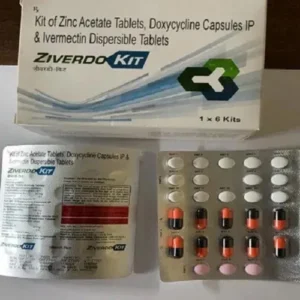
Ziverdo Kit
Active Ingredient Doxycycline, Ivermectin Manufacturer Mankind Pharma Packaging 1 Kit Of (Ivermectin 12 Mg = 3 Tablet + Zinc 50mg = 14 Tablet + Doxycycline 100mg = 10 Capsules) Delivery Time 6 To 15 days SKU: Ziverdo Kit Price range: $85.00 through $810.00Ziverdo Kit
Price range: $85.00 through $810.00 -
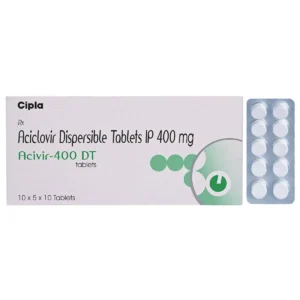
Acivir DT 400 Mg (Acyclovir)
Active Ingredient Acyclovir Manufacturer Cipla Limited Packaging 5 Tablets & 10 Tablets in Strips Strength 400mg, 800mg Delivery Time 6 To 15 days SKU: Acivir DT 400 Mg (Acyclovir) Price range: $52.20 through $255.00Acivir DT 400 Mg (Acyclovir)
Price range: $52.20 through $255.00 -

Antiflu 75 Mg (Oseltamivir)
Active Ingredient Oseltamivir Manufacturer Cipla Limited Packaging 10 Capsules in strip Strength 75mg Delivery Time 6 To 15 days SKU: Antiflu 75 Mg (Oseltamivir) Price range: $76.50 through $211.50Antiflu 75 Mg (Oseltamivir)
Price range: $76.50 through $211.50 -

Banocide Forte 100 Mg (Diethylcarbamazine)
Active Ingredient Diethylcarbamazine Manufacturer GlaxoSmithKline Pharmaceuticals Ltd Packaging 20 tablets in 1 strip & 30 tablets in 1 strip Strength 100mg Delivery Time 6 To 15 days SKU: Banocide Forte 100 Mg (Diethylcarbamazine) Price range: $13.50 through $25.50Banocide Forte 100 Mg (Diethylcarbamazine)
Price range: $13.50 through $25.50 -

Banocide Forte 50 Mg (Diethylcarbamazine)
Active Ingredient Diethylcarbamazine Manufacturer GlaxoSmithKline Pharmaceuticals Ltd Packaging 20 tablets in 1 strip & 30 tablets in 1 strip Strength 50mg Delivery Time 6 To 15 days SKU: Banocide Forte 50 Mg (Diethylcarbamazine) Price range: $10.80 through $21.00Banocide Forte 50 Mg (Diethylcarbamazine)
Price range: $10.80 through $21.00 -

Acivir Cream (Acyclovir)
Active Ingredient Acyclovir Manufacturer Cipla Limited Packaging 5gm Tube Strength 5gm Delivery Time 6 To 15 days SKU: Acivir Cream (Acyclovir) Price range: $5.00 through $20.00Acivir Cream (Acyclovir)
Price range: $5.00 through $20.00 -

Herpex Cream (Acyclovir)
Active Ingredient Acyclovir Manufacturer Torrent Pharmaceuticals Ltd Packaging 5 gm in 1 tube Strength 5% Delivery Time 6 To 15 days SKU: Herpex Cream (Acyclovir) Price range: $4.00 through $19.00Herpex Cream (Acyclovir)
Price range: $4.00 through $19.00 -

Acivir Eye Ointment (Acyclovir)
Active Ingredient Acyclovir Manufacturer Cipla Limited Packaging 5gm in a Tube Strength 3% Delivery Time 6 To 15 days SKU: Acivir Eye Ointment (Acyclovir) Price range: $3.00 through $15.00Acivir Eye Ointment (Acyclovir)
Price range: $3.00 through $15.00