
Anti-Worm Medicines: Effective Parasite Treatment Solutions
Parasitic worm infections affect billions of people globally, particularly in regions with limited access to clean water and sanitation. This category provides access to prescription antiparasitic medications designed to treat intestinal worms and other parasitic infections. Proper diagnosis and treatment under medical supervision help eliminate these infections and prevent complications, supporting better health outcomes for affected individuals.
Understanding Parasitic Worm Infections
Parasitic worms, also known as helminths, are organisms that can live in the human intestinal tract and sometimes other parts of the body. Common types include roundworms (nematodes), tapeworms (cestodes), and flukes (trematodes). These parasites enter the body through contaminated food or water, poor hygiene practices, contact with infected soil, or undercooked meat and fish.
Intestinal worm infections are particularly common in children and in areas with inadequate sanitation facilities. While many infections cause mild symptoms or remain asymptomatic, some can lead to nutritional deficiencies, anemia, digestive problems, and in severe cases, organ damage. Common parasitic worm infections include ascariasis (roundworm), enterobiasis (pinworm), hookworm, whipworm, and tapeworm infections.
Symptoms vary depending on the type of worm but may include abdominal pain, diarrhea, nausea, fatigue, weight loss, visible worms in stool, anal itching (especially with pinworms), and nutritional deficiencies. However, many infected individuals show no symptoms, making screening important in high-risk populations.
Types of Anthelmintic Medicines Available
Anti-worm medications, also called anthelmintics or dewormers, come in various formulations to treat different parasitic infections:
Broad-Spectrum Anthelmintics
These medications are effective against multiple types of worms and are commonly used for general deworming or when the specific parasite hasn’t been identified. They include medications like albendazole and mebendazole, which treat various roundworm and tapeworm infections.
Targeted Antiparasitic Agents
Some medications are specifically designed for particular parasites. Praziquantel is highly effective against tapeworms and flukes, while ivermectin treats certain roundworm infections and other parasitic conditions.
Formulation Types
Anti-worm medicines are available as:
- Tablets and chewable tablets: The most common form for adults and older children
- Oral suspensions: Liquid formulations are ideal for young children who cannot swallow tablets
- Single-dose treatments: Many worm infections can be effectively treated with a single dose, improving compliance
How Anti-Worm Medicines Work?
Anthelmintic medications employ different mechanisms to eliminate parasitic worms:
- Paralyzing the parasites: Some medications interfere with the worm’s nervous system or muscle function, causing paralysis. The paralyzed worms are then expelled from the body through normal bowel movements
- Disrupting energy metabolism: Certain anthelmintics prevent worms from absorbing glucose, essentially starving them and leading to their death
- Damaging protective structures: Some medications attack the worm’s outer covering or internal structures, making them unable to survive in the host environment
- Preventing reproduction: Some agents interfere with the worm’s ability to reproduce, helping break the infection cycle
The expelled worms may or may not be visible in stool, depending on the type of infection and treatment. Healthcare providers select the most appropriate medication based on the specific parasite identified through stool examination or other diagnostic tests.
Important Safety Considerations:-
General Precautions:-
Anthelmintic medications are generally well-tolerated, but certain safety points apply:
- Accurate diagnosis is essential: Different worms require different treatments. A healthcare provider should confirm the type of infection through stool testing before prescribing medication
- Proper dosing: Dosage depends on the patient’s age, weight, and type of infection. Never adjust doses without medical guidance
- Potential side effects: Common side effects may include nausea, abdominal pain, diarrhea, headache, or dizziness. These are usually mild and temporary
- Household treatment: In some cases, particularly with pinworm infections, treating all household members simultaneously may be recommended to prevent reinfection
- Follow-up testing: Your healthcare provider may request follow-up stool examinations to confirm successful elimination of the parasites
Special Populations
Pregnant women, young children under certain ages, and individuals with liver disease require special consideration. Some anthelmintic medications are not recommended during pregnancy, particularly in the first trimester, while others are considered safe under medical supervision. Always inform your healthcare provider if you are pregnant, planning pregnancy, or breastfeeding.
Hygiene and Prevention
Medication treatment is most effective when combined with improved hygiene practices:
- Thorough handwashing before meals and after using the toilet
- Keeping fingernails short and clean
- Washing fruits and vegetables carefully
- Cooking meat thoroughly
- Avoiding contaminated water sources
- Regular changing and washing of bedding and underclothing
Why Professional Medical Consultation Is Essential?
While anti-worm medications are highly effective, professional medical guidance ensures safe and appropriate treatment:
- Correct identification: Many digestive symptoms have multiple possible causes. Laboratory confirmation ensures you’re treating the right condition
- Appropriate medication selection: Different parasites respond to different medications. Your healthcare provider will prescribe based on the specific infection
- Proper dosing: Dosage varies by age, weight, and infection type. Medical supervision ensures effective treatment
- Monitoring for complications: Healthcare providers can identify and manage any complications or treatment failures
- Family screening: In some cases, testing or treating household contacts may be necessary
Attempting to self-diagnose or treat without confirmation can lead to ineffective treatment, unnecessary medication use, or missed alternative diagnoses.
Proper Storage and Handling:-
To maintain medication quality and safety:
- Store anti-worm medications at room temperature in a dry place
- Keep tablets in their original packaging or container
- Protect from direct sunlight, heat, and moisture
- Store all medications out of reach of children
- Check expiration dates and dispose of expired medications properly through pharmacy take-back programs
- For liquid suspensions, shake well before each use and follow any specific storage instructions on the label
Frequently Asked Questions?
How quickly do anti-worm medicines work?
Most medications begin working within hours, though it may take several days to eliminate the infection. You may or may not see worms in your stool during treatment.
Do I need to take time off work or school during treatment?
Generally, no. Most people can continue normal activities during treatment, though some medications may cause temporary mild digestive upset.
Can worm infections return after treatment?
Yes, reinfection is possible if you’re re-exposed to contaminated sources. Good hygiene practices and addressing environmental factors help prevent recurrence.
Is it normal to feel worse before feeling better?
Some people experience a temporary worsening of symptoms as the parasites die and are expelled. Contact your healthcare provider if symptoms are severe or concerning.
Should my whole family be treated?
This depends on the type of infection. Pinworm infections often require treating all household members, while other infections may not. Your healthcare provider will advise based on your specific situation.
Medical Disclaimer:-
This information is provided for educational purposes only and does not constitute medical advice, diagnosis, or treatment recommendations. All antiparasitic medications in this category require a valid prescription from a licensed healthcare provider based on confirmed diagnosis through appropriate testing. Parasitic infections vary in type and severity and require professional medical evaluation and individualized treatment plans. Do not use this information to self-diagnose or self-treat. Always consult with a qualified healthcare professional before starting, stopping, or changing any medication regimen. If you experience severe abdominal pain, bloody stools, high fever, or other concerning symptoms, seek immediate medical attention.
-
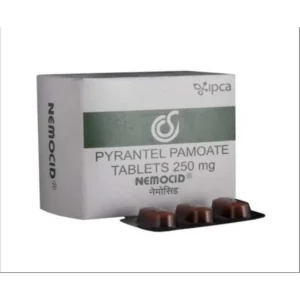
Nemocid 250 Mg (Pyrantel)
Active Ingredient: Pyrantel Indication: Worm infections Manufacturer: Ipca Laboratories Ltd Packaging: 3 tablets in 1 strip Strength: 250 mg Delivery Time: 12 to 15 days Price range: $38.00 through $115.00Nemocid 250 Mg (Pyrantel)
Price range: $38.00 through $115.00 -
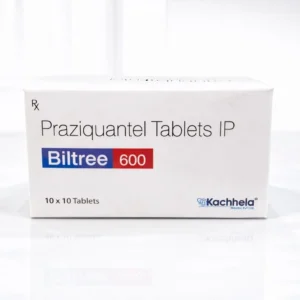
Biltree 600 mg (Praziquantel)
Active Ingredient: Praziquantel Indication: Worm infections, Schistosoma infections. Manufacturer: Kachhela Medex Pvt. Ltd. Packaging: 10 tablets in 1 strip Strength: 600 mg Delivery Time: 12 to 15 days Price range: $130.00 through $290.00Biltree 600 mg (Praziquantel)
Price range: $130.00 through $290.00 -
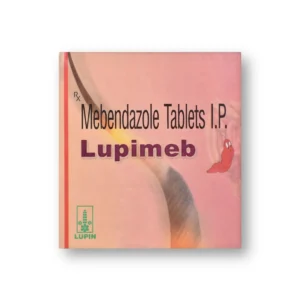
Lupimeb 100 mg (Mebendazole)
Active Ingredient: Mebendazole Indication: Worm infections Manufacturer: Lupin Limited Packaging: 6 tablets in 1 strip Strength: 100 mg Delivery Time: 12 to 15 days Price range: $17.00 through $30.00Lupimeb 100 mg (Mebendazole)
Price range: $17.00 through $30.00 -
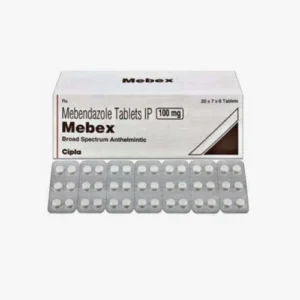
Mebex 100 mg (Mebendazole)
Active Ingredient: Mebendazole Indication: Worm infections Manufacturer: Cipla Limited Packaging: 6 Tablets in a strip Strength: 100mg Delivery Time: 7 to 15 days Price range: $12.00 through $28.00Mebex 100 mg (Mebendazole)
Price range: $12.00 through $28.00 -
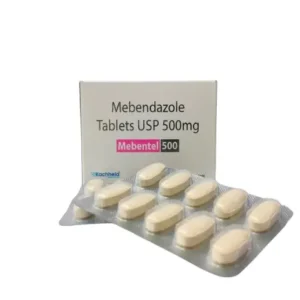
Mebentel 500 Mg (Mebendazole)
Active Ingredient: Mebendazole Indication: Worm infections Manufacturer: Kachhela Medex Pvt. Ltd. Packaging: 10 tablets in 1 strip Strength: 100mg, 500mg Delivery Time: 7 to 15 days Price range: $32.00 through $155.00Mebentel 500 Mg (Mebendazole)
Price range: $32.00 through $155.00 -
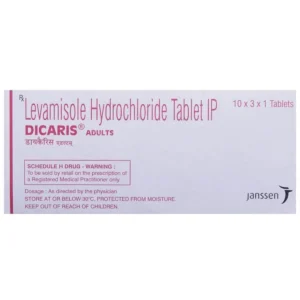
Dicaris Tablet (Levamisole)
Active Ingredient: Levamisole Indication: Worm infections Manufacturer: Janssen Pharmaceuticals, India Packaging: 1 Tablet in 1 strip Strength: 50mg, 150mg Delivery Time: 7 to 15 days Price range: $9.00 through $26.00Dicaris Tablet (Levamisole)
Price range: $9.00 through $26.00 -
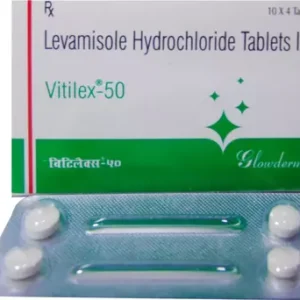
Vitilex 50 mg (Levamisole)
Active Ingredient: Levamisole Indication: Worm infections Manufacturer: Glowderma Lab Ltd. Packaging: 4 Tablets in 1 strip Strength: 50mg, 150mg Delivery Time: 15 to 17 days Price range: $17.00 through $60.00Vitilex 50 mg (Levamisole)
Price range: $17.00 through $60.00 -
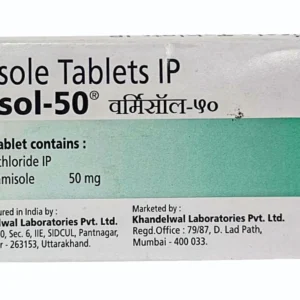
Vermisol 50 mg
Active Ingredient: Levamisole Indication: Worm infections Manufacturer: Khandelwal Laboratories Pvt.Ltd. Packaging: 1 Tablet in 1 strip Strength: 50mg Delivery Time: 15 to 17 days Price range: $20.00 through $50.00Vermisol 50 mg
Price range: $20.00 through $50.00 -
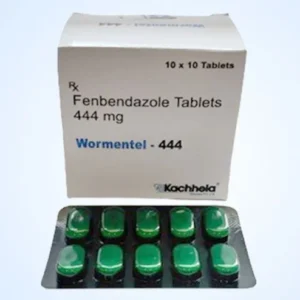
Wormentel 444 Mg (Fenbendazole)
Active Ingredient: Fenbendazole Indication: Treat a Variety of Parasites Manufacturer: Kachhela Medex Pvt. Ltd. Packaging: 10 tablets in 1 strip Strength: 150mg, 222mg, 500mg, 888mg, 1000mg, Delivery Time: 15 to 17 days Price range: $20.00 through $150.00Wormentel 444 Mg (Fenbendazole)
Price range: $20.00 through $150.00 -

Wormentel Duo 156 (Fenbendazole/Ivermectin)
Active Ingredient: Fenbendazole/Ivermectin Indication: Parasitic infections, Anti-Worm Manufacturer: Kachhela Medex Pvt. Ltd. Packaging: 10 tablets in 1 strip Strength: 156mg Delivery Time: 15 To 17 days Price range: $85.00 through $210.00Wormentel Duo 156 (Fenbendazole/Ivermectin)
Price range: $85.00 through $210.00 -

Zentel 400 mg
Active Ingredient: Albendazole Indication: Parasitic worm infections Manufacturer: GlaxoSmithKline Pharmaceuticals Ltd Packaging: 1 Tablet in 1 strip Delivery Time: 15 to 17 days Price range: $65.00 through $200.00Zentel 400 mg
Price range: $65.00 through $200.00 -

Albendazole 400 mg
Active Ingredient: Albendazole Indication: Parasitic worm infections Manufacturer: Signature Pharma Packaging: 10 Tablets in 1 strip Delivery Time: 15 to 17 days Price range: $65.00 through $180.00Albendazole 400 mg
Price range: $65.00 through $180.00