
Mebendazole: Antiparasitic Treatment for Intestinal Worm Infections
Intestinal worm infections, also known as helminthiasis, affect billions of people worldwide, particularly in areas with limited sanitation. This category features mebendazole-based medications, a trusted class of antiparasitic treatments used to eliminate various intestinal worms. Understanding how these medications work and the importance of proper medical diagnosis helps ensure safe and effective treatment of parasitic infections.
Understanding Intestinal Worm Infections
Intestinal parasitic worms are organisms that live in the digestive tract and can cause a range of health problems. These infections are transmitted through contaminated food, water, soil, or contact with infected individuals. Common types of worm infections treated with mebendazole include:
- Roundworms (Ascariasis): Large worms that live in the intestines
- Pinworms (Enterobiasis): Small worms that cause intense anal itching, especially common in children
- Hookworms: Parasites that attach to the intestinal wall and can cause anemia
- Whipworms (Trichuriasis): Worms that inhabit the large intestine
- Mixed worm infections: Cases involving multiple parasite types
Symptoms of intestinal worm infections vary but may include abdominal pain, diarrhea, nausea, fatigue, weight loss, visible worms in stool, anal itching, and nutritional deficiencies. Some infected individuals, particularly with light infections, may experience no symptoms at all.
What Is Mebendazole?
Mebendazole is an anthelmintic (anti-worm) medication that belongs to the benzimidazole class of antiparasitic drugs. It has been used safely and effectively for decades to treat intestinal worm infections in both children and adults. Mebendazole works locally in the intestinal tract with minimal absorption into the bloodstream, making it generally well-tolerated.
This medication is available in various formulations, including tablets and oral suspensions, making it accessible for different age groups. Mebendazole requires a prescription from a healthcare provider who has confirmed the presence of intestinal parasites through proper diagnostic testing.
How Mebendazole Works?
Mebendazole targets parasitic worms through a specific mechanism of action:
- Disrupts glucose uptake: The medication prevents worms from absorbing glucose, their primary energy source
- Depletes energy reserves: Without glucose, the parasites cannot produce the energy needed for survival
- Causes immobilization and death: Starved of nutrients, the worms become immobilized and eventually die
- Natural elimination: Dead or dying worms are then expelled from the body through normal bowel movements
The medication acts selectively on parasitic worms while having minimal effect on human cells, which explains its favorable safety profile. Complete parasite elimination typically occurs within a few days of treatment, though dead worms may continue to be passed for several days afterward.
Treatment Approach and Expected Outcomes
Goals of Mebendazole Therapy
Treatment with mebendazole aims to achieve several important objectives:
- Eradicate intestinal parasites: The primary goal is complete elimination of worms from the digestive system
- Relieve symptoms: Patients typically experience improvement in abdominal discomfort, itching, and other infection-related symptoms
- Prevent complications: Treatment helps avoid potential complications such as intestinal obstruction, malnutrition, and anemia
- Reduce transmission: Eliminating worms from infected individuals helps prevent spread to family members and close contacts
Treatment Duration and Dosing
The treatment regimen varies based on the type of worm infection:
- Some infections require a single dose
- Others need treatment for several consecutive days
- Certain cases may require repeat dosing after a few weeks
- Family members or close contacts may need simultaneous treatment to prevent reinfection
Your healthcare provider will determine the appropriate dosing schedule based on the specific parasite identified, infection severity, patient age, and other factors.
Important Safety Information
General Precautions:-
While mebendazole is generally well-tolerated, patients should be aware of the following:
- Prescription required: Mebendazole must only be used under medical supervision with proper parasitological diagnosis
- Complete the full course: Taking the medication exactly as prescribed is essential for successful parasite elimination
- Possible side effects: Some people may experience mild abdominal discomfort, diarrhea, nausea, or headache. These effects are typically temporary
- Follow-up testing: Your doctor may recommend stool tests after treatment to confirm parasite elimination
- Hygiene measures: Medication alone is not sufficient; proper hygiene practices must accompany treatment to prevent reinfection
Drug Interactions:-
Mebendazole may interact with certain medications, including some anticonvulsants. Always inform your healthcare provider about all medications, supplements, and herbal products you are taking.
Why Professional Diagnosis Is Essential?
Self-diagnosis and self-treatment of suspected worm infections can lead to several problems:
- Many digestive symptoms attributed to worms have other causes requiring different treatments
- Different parasites require specific medications and dosing schedules
- Improper use may fail to eliminate the infection completely
- Unnecessary medication use in the absence of a confirmed infection
- Delayed diagnosis of other serious gastrointestinal conditions
Healthcare providers diagnose intestinal worm infections through:
- Detailed medical history and symptom assessment
- Physical examination
- Stool sample analysis to identify parasite eggs or larvae
- Sometimes blood tests or other diagnostic procedures
Accurate diagnosis ensures you receive the right treatment for your specific condition.
Preventing Reinfection and Transmission
Medication treatment should be combined with preventive measures:
- Wash hands thoroughly with soap and water, especially before meals and after using the toilet
- Keep fingernails short and clean
- Avoid nail biting and thumb sucking
- Wash bed linens, underwear, and towels in hot water
- Maintain good bathroom and kitchen hygiene
- Wash fruits and vegetables thoroughly before eating
- Ensure access to clean drinking water
- Wear shoes in areas where soil may be contaminated
For pinworm infections specifically, treating all household members simultaneously and implementing rigorous hygiene practices helps break the cycle of reinfection.
Storage and Handling Guidelines
Proper medication storage ensures effectiveness and safety:
- Store mebendazole tablets or suspension at room temperature
- Keep away from excessive heat, moisture, and direct sunlight
- Store in the original container with the lid tightly closed
- Keep out of reach of children
- Do not use after the expiration date printed on the package
- For liquid formulations, check whether refrigeration is required and shake well before use
- Dispose of expired or unused medication according to local guidelines
Frequently Asked Questions?
How quickly does mebendazole work?
Mebendazole begins working immediately, but complete parasite elimination typically occurs within a few days. You may notice dead worms in stools during this period. Symptom improvement often occurs within a week.
Can I take mebendazole without a prescription?
No. Mebendazole requires a prescription from a licensed healthcare provider who has diagnosed an intestinal worm infection through appropriate testing.
What should I do if symptoms persist after treatment?
Contact your healthcare provider if symptoms don’t improve or worsen after completing treatment. You may need follow-up stool testing or a repeat treatment course.
Is mebendazole safe for children?
Yes, mebendazole is commonly used in children over age two. Pediatric dosing is based on age, weight, and the type of infection. Always follow your pediatrician’s instructions.
Can the whole family take mebendazole at once?
For certain infections like pinworms, healthcare providers often recommend treating all household members simultaneously to prevent reinfection, even if some members show no symptoms. This should only be done under medical supervision.
Medical Disclaimer:-
This information is provided for educational purposes only and does not constitute medical advice, diagnosis, or treatment recommendations. Mebendazole is a prescription medication that should only be used under the supervision of a qualified healthcare provider. Intestinal parasitic infections require proper laboratory diagnosis to identify the specific parasite and determine appropriate treatment. Do not use this information to self-diagnose or self-treat. Always consult with a licensed healthcare professional before starting any antiparasitic medication. If you experience severe abdominal pain, bloody stools, allergic reactions, or other concerning symptoms, seek immediate medical attention.
-

Lupimeb 100 mg (Mebendazole)
Active Ingredient: Mebendazole Indication: Worm infections Manufacturer: Lupin Limited Packaging: 6 tablets in 1 strip Strength: 100 mg Delivery Time: 12 to 15 days Price range: $17.00 through $30.00Lupimeb 100 mg (Mebendazole)
Price range: $17.00 through $30.00 -
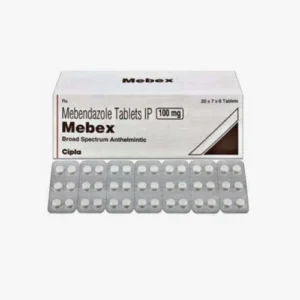
Mebex 100 mg (Mebendazole)
Active Ingredient: Mebendazole Indication: Worm infections Manufacturer: Cipla Limited Packaging: 6 Tablets in a strip Strength: 100mg Delivery Time: 7 to 15 days Price range: $12.00 through $28.00Mebex 100 mg (Mebendazole)
Price range: $12.00 through $28.00 -

Mebentel 500 Mg (Mebendazole)
Active Ingredient: Mebendazole Indication: Worm infections Manufacturer: Kachhela Medex Pvt. Ltd. Packaging: 10 tablets in 1 strip Strength: 100mg, 500mg Delivery Time: 7 to 15 days Price range: $32.00 through $155.00Mebentel 500 Mg (Mebendazole)
Price range: $32.00 through $155.00