HIV/AIDS Medicines: Comprehensive Category Guide:-
Category Overview:-
HIV/AIDS medicines, known as antiretroviral therapy (ART), represent a critical category of prescription medications used to manage Human Immunodeficiency Virus (HIV) infection. These medicines work by controlling the virus in the body, helping people with HIV live longer, healthier lives while reducing the risk of transmission to others.
Healthcare providers prescribe these medications as part of a comprehensive treatment plan that typically involves taking a combination of medicines from different drug classes. The primary goal is to suppress the viral load to undetectable levels, preserve immune system function, and prevent progression to Acquired Immunodeficiency Syndrome (AIDS).
Modern HIV treatment has transformed what was once a life-threatening diagnosis into a manageable chronic condition when medicines are taken consistently as prescribed.
Conditions Treated:-
Medicines in this category are specifically prescribed for:
HIV Infection Management: These medications are used to treat individuals diagnosed with HIV, regardless of the stage of infection. Early treatment is now recommended for all people living with HIV.
AIDS Prevention: By controlling HIV viral levels, these medicines help prevent the progression from HIV to AIDS, the most advanced stage of HIV infection, where the immune system becomes severely damaged.
Post-Exposure Prophylaxis (PEP): In certain emergencies, such as occupational exposure to HIV or potential exposure through sexual contact, healthcare providers may prescribe a short course of HIV medicines to reduce infection risk.
Pre-Exposure Prophylaxis (PrEP): Some HIV medicines are prescribed to HIV-negative individuals at high risk of infection as a preventive measure.
These medicines do not cure HIV but are essential for managing the condition and maintaining quality of life.
Types of Medicines in This Category:-
HIV medicines are classified into several distinct groups based on how they target the virus:
Nucleoside/Nucleotide Reverse Transcriptase Inhibitors (NRTIs): These medicines block an enzyme HIV needs to replicate, preventing the virus from making copies of itself.
Non-Nucleoside Reverse Transcriptase Inhibitors (NNRTIs): This class works similarly to NRTIs but binds differently to the same enzyme, disrupting viral reproduction.
Protease Inhibitors (PIs): These medicines block another enzyme essential for HIV to create infectious viral particles.
Integrase Strand Transfer Inhibitors (INSTIs): This newer class prevents HIV from inserting its genetic material into human cells.
Entry and Fusion Inhibitors: These medicines prevent HIV from entering or fusing with healthy immune cells.
Combination Tablets: Many modern treatments combine multiple drug classes into a single daily tablet, thereby improving convenience and adherence.
Pharmacokinetic Enhancers: Some formulations include medicines that boost the effectiveness of other HIV drugs in the combination.
How These Medicines Work?
HIV medicines function by interfering with different stages of the virus’s life cycle within the body.
When HIV infects a person, it targets specific immune cells and uses the cell’s machinery to replicate itself. HIV medicines interrupt this process at various points: some prevent the virus from entering cells, others stop the virus from copying its genetic material, and some block the assembly of new viral particles.
By targeting multiple steps in the viral replication process simultaneously—which is why combination therapy is standard—these medicines significantly reduce the amount of virus in the bloodstream (viral load). This reduction allows the immune system to recover and function more normally.
When viral load is suppressed to undetectable levels and maintained there, the immune system can strengthen, and the risk of transmitting HIV to others becomes effectively negligible—a concept known as U=U (Undetectable = Untransmittable).
The medicines must be taken consistently as prescribed because HIV can develop resistance to treatments if drug levels in the body fluctuate or if doses are missed regularly.
Who May Benefit From This Category?
Healthcare providers prescribe HIV medicines to:
Individuals Diagnosed with HIV: All people diagnosed with HIV are now recommended to begin treatment regardless of their immune cell count or viral load. Early treatment leads to better long-term health outcomes.
People at High Risk of HIV Infection: Those who are HIV-negative but at substantial risk may be prescribed preventive therapy after a thorough medical assessment.
Newborns of HIV-Positive Mothers: Infants born to mothers with HIV may receive treatment to prevent transmission during birth and breastfeeding.
Healthcare Workers After Occupational Exposure: Medical professionals who experience needle-stick injuries or other exposure to HIV-infected materials may receive short-term prophylactic treatment.
Individuals Exposed to HIV: People who may have been exposed to HIV through sexual contact or other means may receive emergency preventive treatment if they seek medical care promptly.
Eligibility for specific medicines depends on various factors, including viral resistance testing, other health conditions, potential drug interactions, and individual patient circumstances. A specialized healthcare provider should evaluate each person’s unique situation.
Important Safety Information:-
HIV medicines require careful medical supervision due to their complexity and potential risks:
Medical Supervision Is Essential: These are prescription-only medicines that must be prescribed and monitored by healthcare providers experienced in HIV treatment. Regular blood tests and medical check-ups are necessary.
Drug Interactions: HIV medicines can interact with many other medications, supplements, and even some foods. Always inform healthcare providers about all substances being taken.
Resistance Development: Inconsistent use or skipping doses can lead to drug resistance, where the virus becomes immune to treatment. This limits future treatment options.
Pre-existing Conditions: People with liver disease, kidney problems, heart conditions, or bone density issues may require special considerations when selecting HIV medicines.
Pregnancy and Breastfeeding: Women who are pregnant, planning pregnancy, or breastfeeding need specialized medical guidance, as some HIV medicines are safer than others during these periods.
Allergic Reactions: Some people may experience serious allergic reactions to certain HIV medicines. Seek immediate medical attention if signs of a severe allergic reaction occur.
Mental Health Considerations: Some medicines in this category may affect mood or mental health. Individuals with depression or psychiatric conditions should discuss this with their healthcare provider.
Never stop taking HIV medicines without medical guidance, as this can lead to viral rebound and resistance.
Usage Guidance (General):-
HIV medicines must be taken exactly as prescribed by a healthcare provider:
Individualized Treatment Plans: Dosing schedules, combinations of medicines, and treatment duration are determined based on each person’s specific circumstances, including viral load, immune status, and any other health conditions.
Consistency Is Critical: Most HIV treatment regimens involve taking medicines at the same time each day. Missing doses or taking medicines irregularly significantly reduces effectiveness.
Combination Therapy Standard: Current treatment guidelines recommend taking multiple HIV medicines together, often combined in a single tablet for convenience.
Lifelong Treatment: HIV medicines are typically taken indefinitely. The virus remains in the body even when undetectable, and stopping treatment allows it to rebound.
Regular Monitoring Required: Healthcare providers will schedule regular appointments to check viral load, immune cell counts, and monitor for side effects or complications.
Adherence Support: Many healthcare facilities offer resources to help patients remember doses and manage their treatment schedule effectively.
Detailed dosing instructions, timing considerations, and food requirements vary by specific medicine and must be followed according to the prescribing healthcare provider’s directions.
Side Effects & Risks (General Overview):-
Like all medicines, HIV treatments can cause side effects, though many people tolerate them well:
Common Side Effects: These may include nausea, diarrhea, headache, fatigue, dizziness, difficulty sleeping, or vivid dreams. Many of these effects diminish after the first few weeks of treatment.
Gastrointestinal Effects: Stomach upset, changes in appetite, or digestive discomfort are relatively common, particularly when starting treatment.
Metabolic Changes: Some HIV medicines may affect cholesterol levels, blood sugar, or body fat distribution over time.
Bone and Kidney Effects: Certain medicines can impact bone density or kidney function, which is why regular monitoring is important.
Liver Effects: Some people may experience changes in liver function, particularly if they have pre-existing liver conditions.
Serious Side Effects: Though less common, serious reactions can include severe skin reactions, liver problems, heart rhythm changes, or severe allergic responses. These require immediate medical attention.
Long-term Considerations: After years of treatment, some individuals may develop conditions requiring additional medical management, such as cardiovascular concerns or bone density changes.
The specific side effect profile varies significantly between different HIV medicines. Healthcare providers select treatments that balance effectiveness with the lowest risk of problematic side effects for each patient.
Anyone experiencing concerning symptoms should contact their healthcare provider promptly rather than discontinuing treatment independently.
Choosing the Right Medicine:-
Selecting appropriate HIV medicines is a complex medical decision that requires professional expertise:
Individualized Assessment: Healthcare providers consider viral resistance testing results, existing health conditions, other medications being taken, potential side effects, dosing convenience, and patient preferences.
First-Line vs. Alternative Regimens: Treatment guidelines recommend specific combinations as initial therapy, with alternative options available if the first choice isn’t suitable.
Resistance Testing: Before starting treatment, or if a current regimen isn’t working effectively, specialized testing determines which medicines the virus may be resistant to.
Lifestyle Factors: The number of daily pills, timing requirements, food restrictions, and potential interactions with work or daily activities are important considerations.
Cost and Access: Medicine prices vary significantly, and healthcare providers can help identify options covered by insurance or patient assistance programs.
Treatment History: People who have previously taken HIV medicines may have different options than those newly diagnosed, based on past responses and any resistance development.
Specialized Populations: Pregnant individuals, children, people with kidney or liver disease, and those with other specific health conditions may require specialized treatment selection.
Self-selecting HIV medicines or obtaining them without medical supervision is dangerous and can lead to treatment failure, resistance development, and disease progression. Always work with qualified healthcare professionals who specialize in HIV care.
Storage & Handling Advice:-
Proper storage of HIV medicines ensures they remain effective:
Temperature Control: Most HIV medicines should be stored at room temperature, away from excessive heat or cold. Some may require refrigeration—always follow specific storage instructions provided with each medicine.
Moisture Protection: Keep medicines in their original containers, which are designed to protect against moisture. Avoid storing medicines in bathrooms where humidity fluctuates.
Light Protection: Some medicines degrade when exposed to direct sunlight. Store containers in a cool, dry place away from windows or bright light sources.
Child Safety: Store all medicines securely out of reach and sight of children, preferably in a locked cabinet.
Original Packaging: Keep medicines in their original labeled containers to avoid confusion, ensure proper identification, and maintain product integrity.
Travel Considerations: When traveling, carry medicines in carry-on luggage with original labels visible. Research destination country requirements, as some nations have restrictions on bringing certain medicines across borders.
Disposal: Do not flush unused medicines or throw them in household trash. Follow local medication take-back programs or pharmacy disposal services.
Expiration Dates: Check expiration dates regularly and never use medicines past their expiration date, as effectiveness cannot be guaranteed.
If you have questions about proper storage for a specific medicine, consult your pharmacist or the prescribing information provided with the medication.
Frequently Asked Questions?
Can HIV medicines cure HIV infection?
Current HIV medicines cannot cure HIV infection. These medications effectively suppress the virus to undetectable levels, allowing people with HIV to live long, healthy lives and preventing transmission to others. However, the virus remains dormant in the body, and stopping treatment allows it to reactivate and multiply again. Research into potential cures continues, but for now, HIV treatment requires lifelong medication adherence. When taken consistently as prescribed, modern HIV medicines are highly effective at controlling the virus and preventing disease progression.
How long does it take for HIV medicines to work?
HIV medicines begin working immediately upon entering the body, but measurable effects take time to become evident. Most people see a significant reduction in viral load within the first few weeks of treatment. Achieving an undetectable viral load typically takes anywhere from three to six months of consistent treatment, though this timeline varies based on the initial viral load, the specific medicines used, and individual response. Healthcare providers monitor progress through regular blood tests. The immune system’s recovery is a more gradual process that may continue improving over years of sustained viral suppression.
What happens if I miss a dose of my HIV medicine?
Missing occasional doses of HIV medicine can reduce treatment effectiveness and potentially lead to drug resistance. If you miss a dose, take it as soon as you remember, unless it’s almost time for the next scheduled dose—in that case, skip the missed dose and continue with the regular schedule. Never double up on doses to compensate for a missed one. Frequent missed doses significantly increase the risk that the virus will develop resistance to your medicines, potentially limiting future treatment options. If you frequently struggle with adherence, speak with your healthcare provider about strategies, reminder systems, or potentially simpler treatment regimens.
Are there food or drink restrictions with HIV medicines?
Food and drink requirements vary significantly among different HIV medicines. Some must be taken with food to improve absorption and reduce stomach upset, while others should be taken on an empty stomach. Certain medicines have specific requirements, such as avoiding dairy products close to dosing time or taking them with a high-fat meal. Alcohol doesn’t directly interfere with most HIV medicines, but excessive alcohol consumption can affect liver function and may make it harder to adhere to treatment schedules. Always follow the specific dietary instructions provided with your prescribed medicines and ask your pharmacist or healthcare provider if you’re uncertain.
Medical Disclaimer:-
This content is provided for informational and educational purposes only and is not intended to serve as medical advice, diagnosis, or treatment recommendations.
HIV is a serious medical condition that requires specialized care from qualified healthcare professionals experienced in HIV treatment. The information presented here offers general knowledge about HIV medicines as a category, but cannot replace personalized medical evaluation and guidance.
Important Reminders:
– Never self-diagnose, self-treat, or alter your HIV treatment without consulting your healthcare provider
– HIV medicines are prescription-only medications that must be prescribed and monitored by qualified medical professionals
– Individual treatment plans vary significantly based on personal health factors, and what works for one person may not be appropriate for another
– This information is not exhaustive and does not cover all possible medicines, uses, precautions, interactions, or effects
– Always read the patient information leaflet provided with your specific medicine and follow your healthcare provider’s instructions exactly
– If you think you may have been exposed to HIV or are experiencing symptoms, seek immediate medical evaluation
– Emergency medical situations require immediate professional attention—call emergency services if experiencing severe symptoms
Always consult current medical professionals for the most up-to-date information specific to your situation.
For medical emergencies, contact your local emergency services immediately. For HIV-related questions or concerns, contact your healthcare provider or an HIV specialist clinic.
-
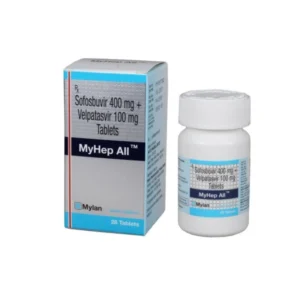
MyHep All (Sofosbuvir & Velpatasvir)
Active Ingredient Sofosbuvir/Velpatasvir Manufacturer Mylan Pharmaceuticals Packaging 28 tablets in 1 bottle Delivery Time 6 To 15 days SKU: MyHep All (Sofosbuvir/Velpatasvir) – 400mg/100 Mg Price range: $300.00 through $870.00MyHep All (Sofosbuvir & Velpatasvir)
Price range: $300.00 through $870.00 -
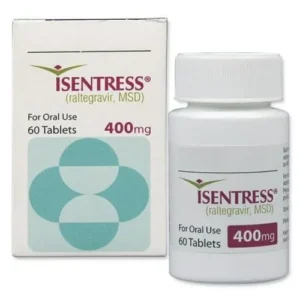
Isentress 400 Mg (Raltegravir)
Active Ingredient Raltegravir Manufacturer MSD Pharmaceuticals India Pvt. Ltd. Packaging 60 tablets in 1 bottle Strength 400mg Delivery Time 6 To 15 days SKU: Isentress 400 Mg (Raltegravir) Price range: $247.00 through $720.00Isentress 400 Mg (Raltegravir)
Price range: $247.00 through $720.00 -

Entavir 0.5 Mg (Entecavir)
Active Ingredient Entecavir Manufacturer Cipla Limited Packaging 10 tablets in 1 strip Strength 1mg Delivery Time 6 To 15 days SKU: Entavir (Entecavir) – 0.5 Mg Price range: $115.00 through $630.00Entavir 0.5 Mg (Entecavir)
Price range: $115.00 through $630.00 -
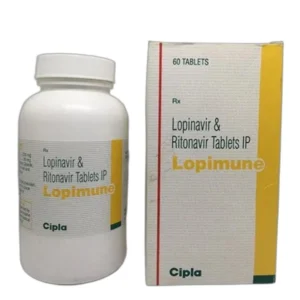
Lopimune (Lopinavir & Ritonavir)
Active Ingredient Lopinavir/Ritonavir Manufacturer Cipla Limited Packaging 60 Tablets in bottle Delivery Time 6 To 15 days SKU: Lopimune (Lopinavir/Ritonavir) – 200mg / 50 Mg Price range: $180.00 through $540.00Lopimune (Lopinavir & Ritonavir)
Price range: $180.00 through $540.00 -

HepBest (Tenofovir Alafenamide) – 25 Mg
Active Ingredient Lamivudine Manufacturer Cipla Limited Packaging 10 tablets in 1 strip Strength 100mg Delivery Time 6 To 15 days SKU: HepBest (Tenofovir Alafenamide) – 25 Mg Price range: $160.00 through $470.00HepBest (Tenofovir Alafenamide) – 25 Mg
Price range: $160.00 through $470.00 -
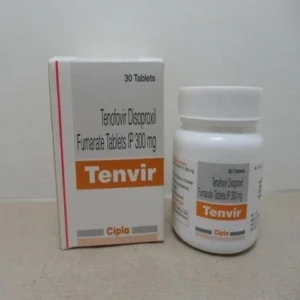
Tenvir (Tenofovir) – 300 Mg
Active Ingredient Tenofovir Manufacturer Cipla Limited Packaging 30 Tablets in bottle Strength 300mg Delivery Time 6 To 15 days SKU: Tenvir (Tenofovir) – 300 Mg Price range: $115.00 through $360.00Tenvir (Tenofovir) – 300 Mg
Price range: $115.00 through $360.00 -
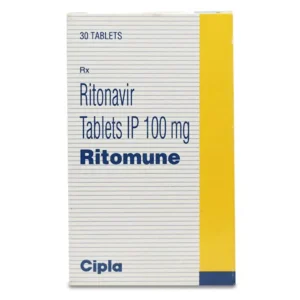
Ritomune (Ritonavir) – 100 Mg
Active Ingredient Ritonavir Manufacturer Cipla Limited Packaging 60 Tablets in 1 box Strength 100gm Delivery Time 6 To 15 days SKU: Ritomune (Ritonavir) – 100 Mg Price range: $90.00 through $240.00Ritomune (Ritonavir) – 100 Mg
Price range: $90.00 through $240.00 -
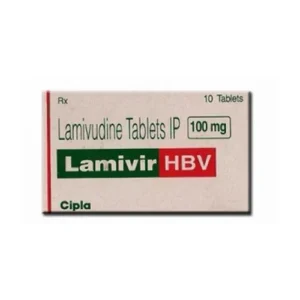
Lamivir 100 Mg (Lamivudine)
Active Ingredient Lamivudine Manufacturer Cipla Limited Packaging 10 tablets in 1 strip Strength 100mg, 150mg Delivery Time 6 To 15 days SKU: Lamivir HBV 100 Mg (Lamivudine) Price range: $45.00 through $130.00Lamivir 100 Mg (Lamivudine)
Price range: $45.00 through $130.00