Life Saving Drugs: Essential Medicines for Critical Health Conditions:-
Category Overview:-
Life-saving drugs represent a vital category of medicines that play a crucial role in preventing death, managing severe medical emergencies, and treating conditions that pose immediate or long-term threats to survival. These medications are prescribed by healthcare professionals when patients face serious health situations that require urgent or ongoing medical intervention.
This category encompasses medicines used across various critical health scenarios, from acute emergencies like cardiac arrest and severe allergic reactions to chronic conditions such as advanced heart disease, certain cancers, and organ failures. Healthcare providers prescribe these treatments based on careful medical assessment, considering the severity of the condition and the potential benefits these medicines offer in preserving life and improving survival outcomes.
Understanding what constitutes a life saving drug helps patients recognize the importance of adherence to prescribed treatment plans and the critical nature of proper medical supervision when using these medications.
Conditions Treated:-
Life saving drugs are prescribed for a wide range of serious medical conditions that require immediate or continuous treatment to prevent fatal outcomes. These include:
Cardiovascular emergencies such as heart attacks, severe heart failure, dangerous heart rhythm disturbances, and blood clots that threaten vital organs. These conditions require prompt treatment to restore normal heart function and prevent permanent damage or death.
Severe infections and sepsis are conditions where the body’s response to infection becomes life-threatening. Certain antibiotics and antimicrobial agents are considered life saving when they target infections that could otherwise lead to organ failure or death.
Acute allergic reactions (anaphylaxis) can cause airways to close and blood pressure to drop dangerously low within minutes of exposure to allergens.
Cancer where specific chemotherapy agents, targeted therapies, and immunotherapy drugs help control or eliminate malignant cells that threaten survival.
Respiratory emergencies, including severe asthma attacks and respiratory failure, where immediate intervention prevents suffocation and death.
Neurological emergencies such as stroke,s where rapid treatment can prevent permanent brain damage and save lives.
Endocrine crises, like severe diabetic ketoacidosis or life-threatening thyroid storms, require urgent hormone regulation.
Only qualified healthcare professionals can diagnose these conditions and determine whether life saving drug therapy is appropriate for individual patients.
Types of Medicines in This Category:-
Life saving drugs come in various forms and delivery methods, each designed to work effectively for specific emergency or critical care situations:
Injectable and intravenous formulations represent the most common form for emergencies, allowing medicines to enter the bloodstream immediately. These include medications administered by healthcare professionals in hospitals, emergency rooms, or by trained first responders.
Auto-injectors are pre-filled devices designed for rapid self-administration or administration by caregivers during emergencies, such as epinephrine auto-injectors for severe allergic reactions.
Oral medications include tablets and capsules prescribed for ongoing management of life-threatening conditions when the patient’s condition is stabilized, and they can take medicines by mouth.
Inhalation therapies deliver medication directly to the lungs in respiratory emergencies, providing rapid relief for conditions affecting breathing.
Implantable devices with medication, such as implantable cardioverter-defibrillators or medication pumps that deliver continuous treatment for chronic life-threatening conditions.
Topical emergency treatments in certain specific situations where rapid absorption through the skin can provide life saving intervention.
The form of medicine prescribed depends on the urgency of the situation, the patient’s ability to absorb the medication, and the specific medical condition being treated.
How These Medicines Work?
Life saving drugs work through various mechanisms depending on the specific medical emergency or condition they address:
Cardiovascular medications may work by dissolving blood clots that block arteries, regulating abnormal heart rhythms, strengthening heart contractions, or reducing the workload on a failing heart. Some help blood vessels relax to improve blood flow and reduce dangerous blood pressure levels.
Emergency allergy medications, like epinephrine, rapidly reverse life-threatening allergic reactions by opening airways, raising blood pressure, and reducing severe swelling throughout the body.
Antimicrobial life saving drugs work by killing or stopping the growth of dangerous bacteria, viruses, or fungi that cause potentially fatal infections, helping the body’s immune system overcome the invading organisms.
Cancer medications may work by directly killing cancer cells, blocking signals that tell cancer cells to grow, or helping the body’s immune system recognize and attack malignant cells.
Respiratory emergency medications relax muscles around airways, reduce inflammation in breathing passages, and help maintain adequate oxygen levels in the blood.
Antidotes and reversal agents work by counteracting the effects of poisons, drug overdoses, or dangerous medication side effects that threaten life.
The specific mechanism of action varies significantly among different life saving drugs, and healthcare professionals select medications based on how they will most effectively address each patient’s particular medical crisis.
Who May Benefit From This Category?
Life saving drugs are prescribed for patients experiencing or at high risk for medical emergencies and life-threatening conditions. This includes:
Individuals experiencing acute medical emergencies such as heart attacks, strokes, severe allergic reactions, or acute respiratory failure require immediate intervention to survive.
Patients with chronic conditions that pose ongoing survival risks, including advanced heart failure, certain types of cancer, severe chronic infections, or organ dysfunction, who need continuous medication to maintain life.
People with known severe allergies who carry emergency medications like epinephrine auto-injectors to use if exposed to life-threatening allergens.
Patients recovering from major medical events who require ongoing treatment to prevent recurrence of life-threatening complications.
Individuals with genetic or acquired conditions that create ongoing risks of fatal complications without consistent medication management.
Healthcare providers carefully assess each patient’s medical history, current health status, risk factors, and specific condition before prescribing life saving medications. These drugs are never appropriate for self-diagnosis or self-prescription and should only be used under strict medical supervision.
The decision to prescribe a life saving drug considers both the immediate threat to survival and the patient’s overall health profile to ensure the benefits outweigh any potential risks.
Important Safety Information:-
Life saving drugs require the highest level of medical supervision and patient awareness due to their critical nature and potential for serious side effects:
Medical supervision is essential because these medications are prescribed for serious conditions where incorrect use could result in fatal outcomes. Never adjust dosages or stop taking prescribed life saving medications without consulting your healthcare provider.
Emergency medications must be accessible, and patients or caregivers should be properly trained in their administration. Regular checks of expiration dates are crucial for emergency medications like epinephrine auto-injectors.
Drug interactions can be particularly dangerous with life saving medications. Always inform all healthcare providers about every medication, supplement, and herbal product you use, as interactions may reduce effectiveness or increase risks.
Certain patients may not be suitable candidates for specific life saving drugs due to other health conditions, allergies, pregnancy, or breastfeeding status. Healthcare providers carefully weigh these factors when prescribing.
Storage and handling requirements are often strict for life saving medications. Some require refrigeration, protection from light, or specific temperature ranges to maintain their effectiveness.
Immediate medical attention may be needed if you experience unusual symptoms, severe side effects, or signs that the medication is not working as expected. Never wait to seek help in emergencies.
Follow-up care is critical for patients on life saving medications. Regular monitoring through medical appointments, laboratory tests, and diagnostic procedures helps ensure the treatment remains safe and effective.
Patients should never share life saving medications with others, even if they appear to have similar symptoms, as these drugs are prescribed based on individual medical assessments.
Usage Guidance (General):-
The administration of life saving drugs varies significantly based on the specific medication, the medical condition being treated, and individual patient factors:
Dosing must be precisely followed as prescribed by healthcare professionals. Life saving medications often have narrow therapeutic windows, meaning the difference between an effective dose and a harmful dose is small.
Timing of administration is critical for many life saving drugs. Some must be taken at specific intervals to maintain consistent levels in the body, while emergency medications must be administered immediately when symptoms occur.
Administration technique matters particularly for injectable medications, inhalers, and other specialized delivery systems. Healthcare providers or pharmacists should provide thorough training on proper administration techniques.
Emergency medication plans should be clearly documented and shared with family members, caregivers, school personnel, or workplace contacts who may need to assist in an emergency.
Missed doses require specific protocols depending on the medication. Contact your healthcare provider or pharmacist for guidance rather than doubling doses or making assumptions about what to do.
Regular refills are essential for chronic life saving medications. Never allow prescriptions to run out, and plan for vacations, holidays, or other situations that might interrupt access to medications.
Medical identification, such as bracelets or wallet cards indicating the use of life saving medications, can be crucial if you’re unable to communicate during a medical emergency.
Always consult with prescribing healthcare providers or pharmacists if you have any questions about proper usage of life saving medications.
Side Effects & Risks (General Overview):-
While life saving drugs are essential for treating serious conditions, they may cause side effects that patients and caregivers should understand:
Common side effects vary widely depending on the specific medication but may include nausea, changes in heart rate or rhythm, changes in blood pressure, dizziness, fatigue, or localized reactions at injection sites. Many side effects are manageable and considered acceptable given the critical nature of the condition being treated.
Serious adverse effects can occur with some life saving medications and require immediate medical attention. These may include severe allergic reactions to the medication itself, dangerous changes in heart rhythm, bleeding complications, severe drops in blood pressure, or signs of organ dysfunction.
Long-term effects may develop with extended use of certain life saving drugs. Healthcare providers monitor patients regularly to detect and manage any long-term complications while balancing the ongoing need for treatment.
Individual variation means that side effects affect different patients differently. Factors like age, overall health status, other medications being taken, and genetic differences can influence how a person responds to life saving drugs.
Balancing risks and benefits is a key consideration with these medications. Healthcare providers prescribe life saving drugs when the risk of not treating the condition outweighs the potential risks of side effects from the medication.
Reporting side effects to healthcare providers helps optimize treatment. Never discontinue life saving medications due to side effects without medical guidance, as abrupt discontinuation can be dangerous.
Patients should receive clear information from their healthcare team about what side effects to expect, which symptoms warrant immediate medical attention, and how to manage common side effects that may occur.
Choosing the Right Medicine:-
Selecting the appropriate life saving medication is a complex medical decision that must be made by qualified healthcare professionals:
Medical assessment is comprehensive and includes reviewing your complete medical history, current health status, specific symptoms, diagnostic test results, and any previous responses to medications. This thorough evaluation ensures the chosen medication is most likely to be safe and effective for your situation.
Individual factors influence selection, including your age, weight, kidney and liver function, other medical conditions, pregnancy status, and medications you currently take. What works well for one patient may not be appropriate for another with a seemingly similar condition.
Emergency versus chronic treatment requires different considerations. Emergency life saving medications are chosen for rapid action and immediate availability, while medications for ongoing life-threatening conditions are selected for long-term safety and sustained effectiveness.
Healthcare team collaboration often involves multiple specialists working together to determine the best treatment approach. Cardiologists, oncologists, emergency medicine physicians, and other specialists contribute their expertise to treatment decisions.
Patient preferences and circumstances are considered when medically appropriate options exist. Factors like ability to administer certain types of medications, lifestyle considerations, and treatment goals may influence which medication is prescribed.
Ongoing evaluation means that the initial choice of medication may be adjusted based on how well you respond to treatment, any side effects that develop, or changes in your medical condition over time.
Never attempt to choose or switch life saving medications on your own. Always consult with healthcare professionals who have access to your complete medical information and can make informed recommendations for your specific situation.
Storage & Handling Advice:-
Proper storage and handling of life saving drugs is essential to maintain their effectiveness and safety:
Temperature requirements must be carefully followed. Many life saving medications require storage at controlled room temperature, while others need refrigeration. Extreme heat or cold can reduce effectiveness or damage the medication. Check specific storage requirements on medication labels or package inserts.
Protection from light and moisture is necessary for many medications. Store drugs in their original containers with lids tightly closed, and avoid transferring them to other containers unless specifically instructed by a pharmacist.
Emergency medication accessibility is critical. Keep emergency medications like epinephrine auto-injectors in easily accessible locations known to family members and caregivers. Avoid storing them in places where they might be difficult to reach during an emergency.
Regular expiration date checks should be part of your routine, especially for emergency medications. Expired medications may lose effectiveness and should be replaced promptly. Set calendar reminders to check expiration dates monthly.
Traveling with life saving medications requires planning. Carry medications in carry-on luggage rather than checked bags, keep them in original labeled containers, and bring copies of prescriptions. For temperature-sensitive medications, use appropriate cooling packs as recommended.
Safe disposal of expired or unused medications should follow approved guidelines. Many pharmacies offer medication take-back programs. Never flush life saving medications down the toilet unless specifically instructed to do so.
Child safety is paramount. Store all medications securely out of reach of children and pets, even emergency medications that need to be accessible. Consider locked storage boxes that adults can access quickly.
Backup supplies may be advisable for chronic life saving medications. Discuss with your healthcare provider about keeping an emergency supply, particularly if you have difficulty accessing pharmacies or live in remote areas.
Frequently Asked Questions (Category-Based)?
What exactly qualifies a medicine as “life saving”?
A medicine is considered life saving when it prevents death or treats conditions that would likely be fatal without treatment. This includes medications for acute emergencies like heart attacks or severe allergic reactions, as well as drugs that manage chronic conditions that pose ongoing threats to survival, such as advanced heart failure or certain cancers. Healthcare professionals determine whether a medication is truly life saving based on medical evidence and the severity of the condition being treated. Not all important medications fall into this category—only those that directly prevent death or address life-threatening situations are classified as life saving.
Can I buy life saving drugs without a prescription?
Most life saving drugs require a valid prescription from a licensed healthcare provider because they are potent medications used for serious conditions that need medical supervision. Some emergency medications, like certain epinephrine auto-injectors, may be available in some regions with specific access programs, but proper medical evaluation and training in their use are still essential. Never attempt to obtain life saving medications without proper medical oversight, as incorrect use can be dangerous. The prescription requirement exists to protect patient safety and ensure these powerful medications are used appropriately under medical guidance.
How quickly do life saving drugs work?
The onset of action varies significantly depending on the specific medication and condition. Emergency medications like epinephrine for severe allergic reactions work within minutes, while clot-busting drugs for heart attacks or strokes begin working rapidly but may take hours to achieve full effect. Chronic life saving medications, such as certain heart failure drugs or cancer treatments, may take days or weeks to show measurable benefits. The method of administration also affects speed—intravenous medications work faster than oral tablets. Your healthcare provider can explain the expected timeline for your specific medication and what signs to watch for indicating the medication is working.
What should I do if I miss a dose of a life saving medication?
Never make assumptions about what to do with a missed dose of a life saving medication. The appropriate action depends on the specific drug, when you remember the missed dose, and your individual treatment plan. Some medications should be taken as soon as you remember, while others should be skipped if it’s close to the next scheduled dose. Doubling doses can be dangerous. Contact your healthcare provider or pharmacist immediately for guidance specific to your medication. For chronic life saving medications, setting reminders and establishing routine times for taking medication can help prevent missed doses.
Medical Disclaimer:-
This content is provided for educational and informational purposes only and is not intended to substitute for professional medical advice, diagnosis, or treatment.
The information presented about life saving drugs represents general educational content about this category of medications and should not be interpreted as medical guidance for any individual situation. Life saving drugs are prescribed for serious, life-threatening conditions that require immediate medical attention and ongoing supervision by qualified healthcare professionals.
Never use this information to:
– Self-diagnose any medical condition
– Self-prescribe or self-medicate with life saving drugs
– Delay seeking emergency medical care
– Adjust or discontinue prescribed medications without consulting your healthcare provider
– Replace professional medical advice from your doctor or pharmacist
Always seek immediate medical attention if you are experiencing a medical emergency. If you believe you are having a heart attack, stroke, severe allergic reaction, or any other life-threatening situation, call emergency services immediately.
Individual medical circumstances vary significantly, and only a licensed healthcare provider who has examined you and reviewed your complete medical history can determine appropriate treatment for your specific situation. The effectiveness and safety of any medication depend on numerous individual factors that cannot be assessed through general information.
If you have questions about life saving drugs, your specific medications, or your treatment plan, consult with your prescribing healthcare provider or a licensed pharmacist. They can provide personalized guidance based on your unique health needs and medical history.
This content does not create a patient-provider relationship, and the pharmacy providing this information assumes no liability for how this general educational material may be used or interpreted.
Always read the patient information leaflet provided with your medication and follow the specific instructions given by your healthcare provider and pharmacist.
- “P Carzine 50 Mg (Procarbazine)” already exists in your wishlist
-
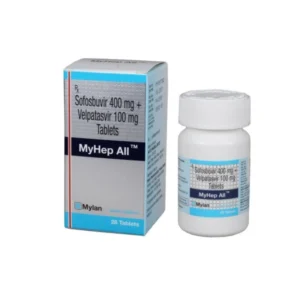
MyHep All (Sofosbuvir & Velpatasvir)
Active Ingredient Sofosbuvir/Velpatasvir Manufacturer Mylan Pharmaceuticals Packaging 28 tablets in 1 bottle Delivery Time 6 To 15 days SKU: MyHep All (Sofosbuvir/Velpatasvir) – 400mg/100 Mg Price range: $300.00 through $870.00MyHep All (Sofosbuvir & Velpatasvir)
Price range: $300.00 through $870.00 -
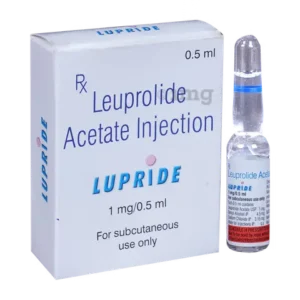
Lupride 1 Mg Injection (Leuprolide Acetate)
Active Ingredient Leuprolide Acetate Manufacturer Sun Pharmaceutical Industries Ltd Packaging 1 mg in 0.5ml Ampoule Strength 1 Mg Delivery Time 6 To 15 days SKU: Lupride 1 Mg Injection (Leuprolide Acetate) Price range: $35.00 through $99.00Lupride 1 Mg Injection (Leuprolide Acetate)
Price range: $35.00 through $99.00 -
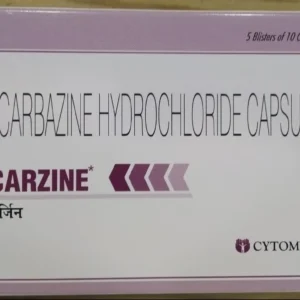
P Carzine 50 Mg (Procarbazine)
Active Ingredient Procarbazine Manufacturer Alkem Laboratories Ltd Packaging 10 capsules in 1 strip Strength 50mg Delivery Time 6 To 15 days SKU: P Carzine 50 Mg (Procarbazine) Price range: $55.00 through $149.00P Carzine 50 Mg (Procarbazine)
Price range: $55.00 through $149.00 -
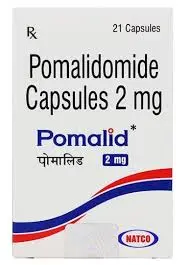
Pomalid 2 Mg (Pomalidomide)
Active Ingredient Pomalidomide Manufacturer Natco Pharma Ltd. Packaging 21 capsules in 1 strip Strength 2mg Delivery Time 6 To 15 days SKU: Pomalid 2 Mg (Pomalidomide) Price range: $248.00 through $985.00Pomalid 2 Mg (Pomalidomide)
Price range: $248.00 through $985.00 -
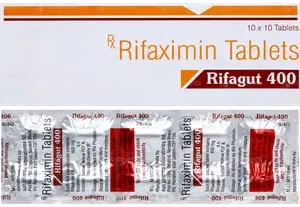
Refagut 400 Mg (Rifaximin)
Active Ingredient Rifaximin Manufacturer Sun Pharmaceutical Industries Ltd Packaging 10 tablets in 1 strip Strength 400mg Delivery Time 6 To 15 days SKU: Rifagut 400 Mg (Rifaximin) Price range: $56.00 through $160.00Refagut 400 Mg (Rifaximin)
Price range: $56.00 through $160.00 -
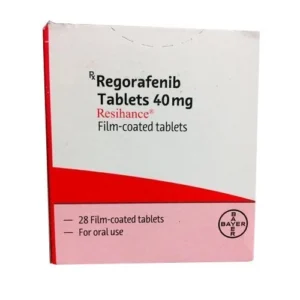
Resihance (Regorafenib) – 40 Mg
Active Ingredient Regorafenib Manufacturer Bayer Zydus Pharma Packaging 28 tablets in 1 strip Strength 40mg Delivery Time 6 To 15 days SKU: Resihance (Regorafenib) – 40 Mg Price range: $700.00 through $1,932.00Resihance (Regorafenib) – 40 Mg
Price range: $700.00 through $1,932.00 -
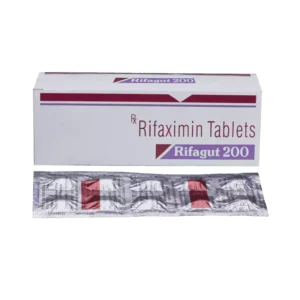
Rifagut 200 Mg (Rifaximin)
Active Ingredient Rifaximin Manufacturer Irritable bowel syndrome, Hepatic encephalopathy Packaging Sun Pharmaceutical Industries Ltd Strength 200mg, 550mg Delivery Time 6 To 15 days SKU: Rifagut 200 Mg (Rifaximin) Price range: $42.00 through $260.00Rifagut 200 Mg (Rifaximin)
Price range: $42.00 through $260.00 -
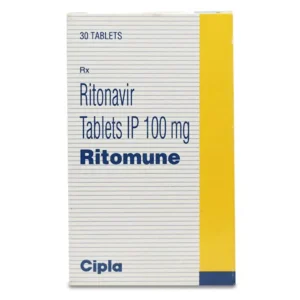
Ritomune (Ritonavir) – 100 Mg
Active Ingredient Ritonavir Manufacturer Cipla Limited Packaging 60 Tablets in 1 box Strength 100gm Delivery Time 6 To 15 days SKU: Ritomune (Ritonavir) – 100 Mg Price range: $90.00 through $240.00Ritomune (Ritonavir) – 100 Mg
Price range: $90.00 through $240.00 -
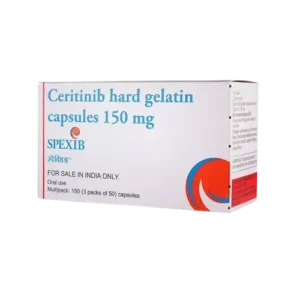
Spexib (Ceritinib) – 150 Mg
Active Ingredient Afatinib Dimaleate Manufacturer Boehringer Ingelheim India Pvt.Ltd Packaging 7 Capsule in 1 strip Strength 20mg Delivery Time 6 To 15 days SKU: Spexib (Ceritinib) – 150 Mg Price range: $125.00 through $315.00Spexib (Ceritinib) – 150 Mg
Price range: $125.00 through $315.00 -
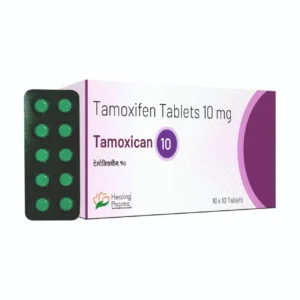
Tamoxifen 10 Mg (Tamoxifen)
Active Ingredient Tamoxifen Manufacturer Celon Laboratories Ltd Packaging 10 Tablets in Strip Strength 10mg Delivery Time 6 To 15 days SKU: Tamoxifen 10 Mg (Tamoxifen) Price range: $24.50 through $57.00Tamoxifen 10 Mg (Tamoxifen)
Price range: $24.50 through $57.00 -
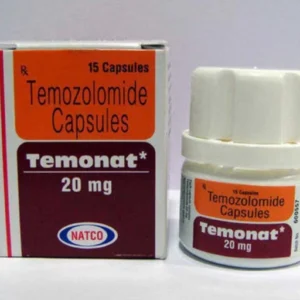
Temonat 20 Mg (Temozolomide)
Active Ingredient Temozolomide Manufacturer Natco Pharma Ltd. Packaging 5 capsules in 1 strip Strength 20mg, 100mg, 250mg Delivery Time 6 To 15 days SKU: Temonat (Temozolomide) – 20 Mg Price range: $90.00 through $335.00Temonat 20 Mg (Temozolomide)
Price range: $90.00 through $335.00 -
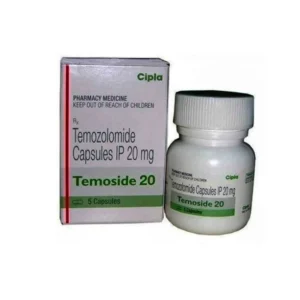
Temoside 20 Mg (Temozolomide)
Active Ingredient Temozolomide Manufacturer Cipla Limited Packaging 5 capsules in 1 strip Strength 20mg, 100mg, 250mg Delivery Time 6 To 15 days SKU: Temoside 20 Mg (Temozolomide) Price range: $54.00 through $350.00Temoside 20 Mg (Temozolomide)
Price range: $54.00 through $350.00